
Transitioning from a small, home-based operation or a single-head machine to a multi-head commercial environment changes how you must approach every project. When you scale your production, small errors that were manageable on one machine become major problems when multiplied across six or twelve heads. Consistency is the most important factor in maintaining a profitable shop. You need to ensure that the first garment looks exactly like the hundredth garment in a run. While a reliable embroidery digitizing company provides the necessary files, your ability to manage the physical variables on the shop floor determines your success. You must standardize your processes so that every operator follows the same steps for hooping, machine setup, and finishing.
Standardizing Your Thread Selection and Storage
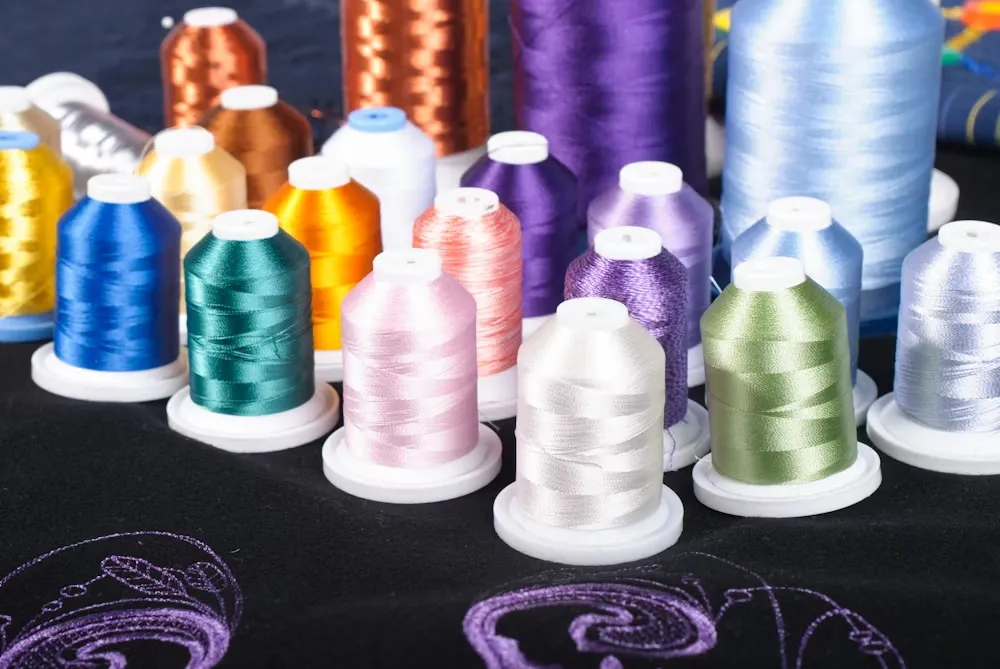
As you move into high-volume production, the quality of your thread becomes a major factor in your daily output. You should stick to high-quality polyester threads for most commercial work because they offer superior strength and colorfastness compared to rayon. Polyester thread can withstand high-speed sewing and the friction of commercial needles without snapping. When you buy thread in bulk, you must also consider how you store it. Thread that sits in direct sunlight or in a dusty environment becomes brittle and prone to breaking. You should keep your cones in a cool, dry area away from UV light to maintain their integrity. Standardizing your thread brands across all machines also makes it easier to manage tension settings, as different brands often have slight variations in thickness and stretch.
Calibrating Multiple Heads for Identical Results
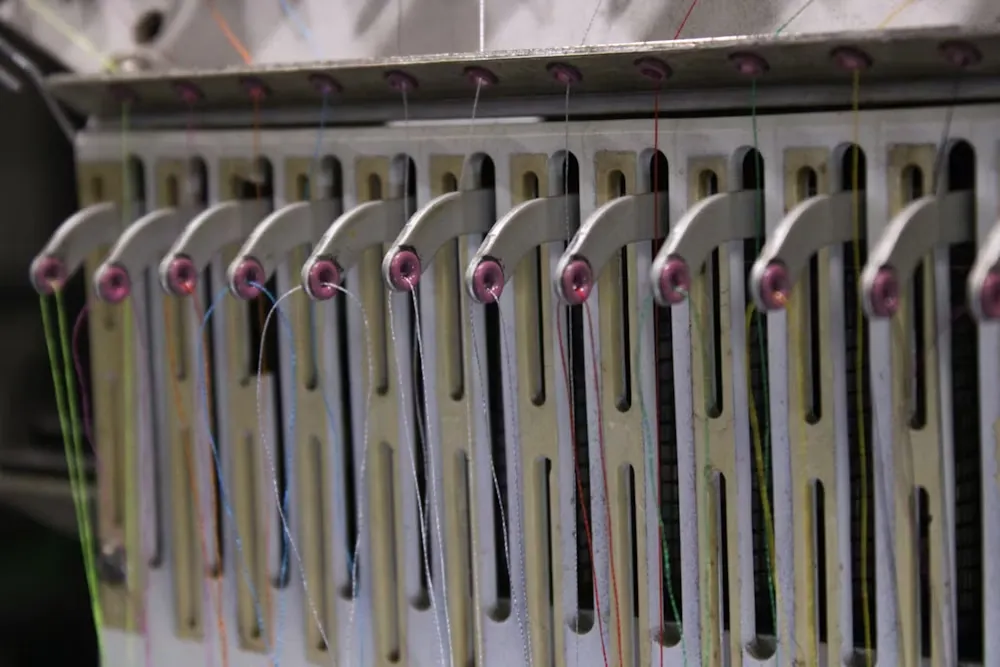
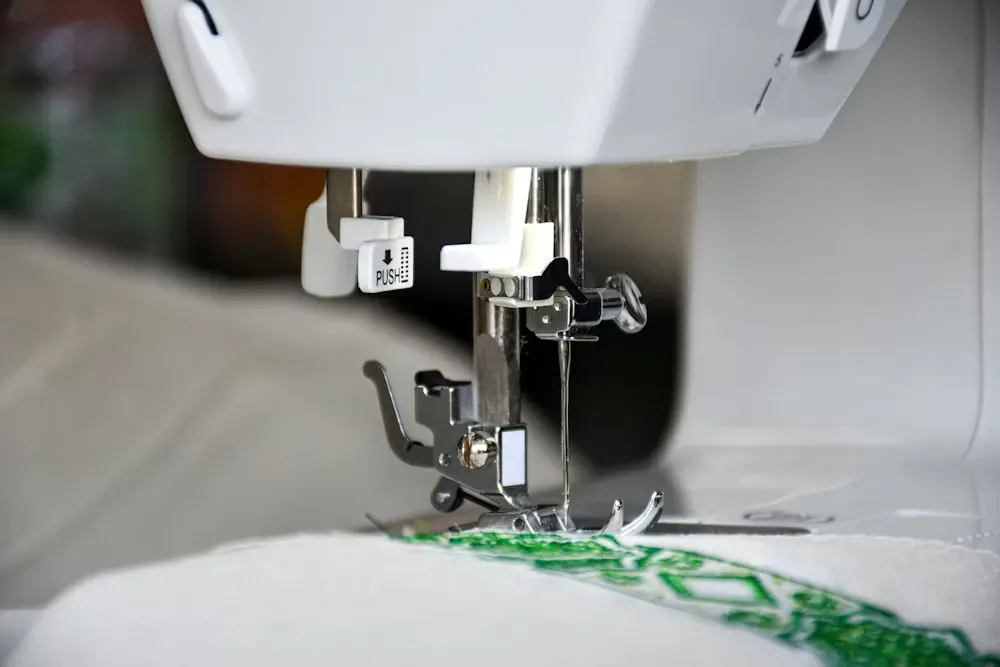
On a multi-head machine, calibration is the only way to achieve stitch consistency. You should spend time every week ensuring that the tension on every head is identical. If Head 1 is pulling tighter than Head 4, your logos will have different widths and heights, which is unacceptable for corporate clients. You can use a digital tension gauge to measure the pull of both the top thread and the bobbin thread. For most commercial work, a bobbin tension of 25 to 30 grams is standard. You should also check the presser foot height on each head. If the foot is too high, you will get "flagging," where the fabric moves up and down with the needle, causing distorted stitches and bird-nesting. If the foot is too low, it can leave "hoop burn" or pressure marks on sensitive performance fabrics.
Optimizing Machine Speed for High Volume
While it is tempting to run your machines at their maximum rated speed to finish orders faster, this often leads to more downtime due to thread breaks and needle heat. For high-volume runs, you should find a "sweet spot" where the machine runs efficiently without constant stops. For most flat goods, 750 to 850 stitches per minute is a productive range. If you are running 3D puff embroidery, you must drop the speed significantly to around 500 or 600 stitches per minute. Running too fast on heavy designs increases the risk of the needle deflecting and hitting the throat plate, which can ruin a garment and damage your rotary hook. Slowing down slightly often results in a faster total completion time because you are not stopping every few minutes to re-thread a needle.
Implementing a Strict Hooping Protocol
Hooping is often where the most mistakes happen in a high-output shop. To improve consistency, you should use hooping stations or jigs that hold the hoop in the exact same position for every garment. Relying on "eyeballing" the placement leads to logos that are crooked or positioned differently across a single order. You must also train your staff on the correct way to tension the fabric in the hoop. The fabric should be taut like a drum skin, but you must avoid pulling it so tight that you distort the weave of the shirt. If the fabric is pulled unevenly, the design will pucker as soon as you remove the hoop. For performance wear and stretchy knits, using a "no-show" mesh stabilizer in addition to your standard backing can help maintain the shape of the logo during and after the run.
Troubleshooting Common Sewing Errors
When you encounter a sewing error, you should follow a logical checklist to find the cause. If you see looping on the top of the design, your bobbin is likely too loose or the bobbin case is dirty. If the thread is shredding, check for a burr on the needle or a nick in the thread guide. You should also monitor the registration of your designs. If the outlines of a logo are not lining up with the fill stitches, it is usually a sign of poor hooping or the wrong choice of stabilizer. On a multi-head machine, if only one head is having registration issues, check the screws on the hoop driver for that specific head. Loose hardware is a common cause of shifting that is often mistaken for a bad digitizing file.

Needle Management and Replacement Schedules
In a high-production environment, needles are a consumable item that must be replaced frequently. You should not wait for a needle to break before you change it. A dull needle creates larger holes in the fabric and can cause the thread to fray, leading to poor stitch quality. You should implement a schedule where needles are changed after every 8 to 10 hours of run time. For shops running two shifts, this means a fresh set of needles every day. You should also keep a variety of needle points on hand. Ballpoint needles are necessary for knits and polos to prevent cutting the fibers, while sharp point needles are better for woven materials like denim or canvas bags.
Final Finishing and Quality Control
The final step in scaling your production is a dedicated quality control station. Every garment should be inspected for stray threads, remaining stabilizer, or small foam bits if you are doing 3D puff embroidery. You should use a thread nipper to trim any long jump threads that the machine's automatic trimmer might have missed. For garments with "hoop burn," a light mist of water or a quick pass with a garment steamer can often remove the marks. Having a second pair of eyes on the finished product ensures that you do not ship out items with obvious defects, which protects your reputation and reduces the need for expensive re-runs.
Managing Production for Business Growth
Scaling a shop requires a balance between speed and quality. When you maintain your equipment and follow standardized procedures, you reduce the amount of garment waste and increase your overall profit per hour. Standardizing your workflow allows you to hire and train new operators more quickly as your business grows. While the day-to-day operations involve physical labor and mechanical maintenance, the quality of your output remains tied to the quality of your setup. Affordable Digitizing provides the professional embroidery digitizing that commercial shops need to run smoothly. By using high-quality embroidery digitizing and reliable custom embroidery digitizing services, a shop owner can focus on production and growth while knowing the technical side of the files is handled correctly.

























Sign in to leave a comment.