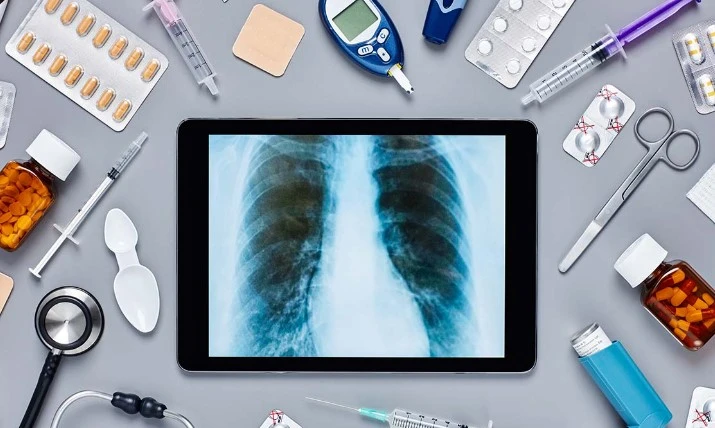

The global healthcare industry comprises various sectors and components that work together to provide medical services, treatments, and innovations to individuals worldwide. Among these components, the medical devices market holds a significant position. Understanding the medical devices market size is essential not only for industry professionals but also for investors, policymakers, and healthcare providers. In this blog post, we will delve into the intricacies of the medical devices market size and explore the factors that shape its growth.
Medical devices encompass a wide range of instruments, apparatuses, machines, implants, and software used for diagnosing, treating, monitoring, or preventing medical conditions. These devices can range from simple tools like thermometers and syringes to complex machinery like MRI machines and robotic surgical systems. They play a crucial role in modern healthcare, enhancing the quality of patient care and improving outcomes.
The medical devices market size is expansive and continuously evolving. We must consider factors such as product types, geographic regions, and application areas. According to Lucid Market Reports, the global Medical Devices Market size will reach USD 882.3 billion by 2032, growing by 5.5% annually over 2022-2032. However, it's important to note that this figure is not static and experiences growth and fluctuations over time.
Several factors contribute to the growth of the medical devices market:
Technological Advancements: The constant evolution of technology has led to the development of more innovative and sophisticated medical devices. These advancements not only improve patient outcomes but also drive market growth.
Aging Population: The global population is aging, leading to a higher demand for healthcare services and medical devices. Elderly individuals often require more medical interventions, creating a substantial market for devices catering to their needs.
Preventive Healthcare: There is a growing emphasis on preventive healthcare, leading to increased adoption of monitoring and diagnostic devices. These devices help individuals manage their health proactively, further expanding the market.
Emerging Markets: Developing countries are witnessing an increase in healthcare infrastructure and spending. This has opened up new opportunities for medical device manufacturers to tap into emerging markets, contributing to market growth.
While the medical devices market offers significant growth potential, it also faces challenges. These include:
Regulatory Hurdles: Stringent regulations and approval processes can hinder the introduction of new devices into the market.
Cost Constraints: Healthcare providers and patients often face financial constraints, which can limit the adoption of expensive medical devices.
Competition: The market is highly competitive, with numerous players vying for market share. This can lead to pricing pressures and innovation battles.
Data Security: With the increasing integration of technology and data in medical devices, ensuring the security and privacy of patient data is a critical concern.
In conclusion, the medical devices market is a dynamic and crucial component of the global healthcare industry. Its size and growth are influenced by a multitude of factors, including technological advancements, demographic changes, and regulatory considerations. As we move into the future, it is essential for stakeholders in the healthcare sector to stay informed about the latest trends and developments in the medical devices market to make informed decisions and drive innovation in the field.




























Sign in to leave a comment.