
A power outage can turn ordinary routines into immediate problems. Refrigerators stop cooling, heating and cooling systems shut down, and essential devices may lose power. Backup generators offer a practical response by providing another source of electricity when utility service is unavailable.
For homeowners, the value of backup generators is not simply about keeping the lights on. A properly selected and installed generator can support important household systems during an outage. The goal is to create a dependable transition to backup power without treating emergency electricity as an afterthought.
Why Are Backup Generators Becoming More Relevant?
The electric grid remains central to daily life, but outages can happen for many reasons. Severe weather, equipment failures, accidents, and maintenance can all interrupt service. The U.S. Energy Information Administration tracks electricity reliability and reports that weather and other disruptions can contribute to significant power interruptions across the country.
That makes backup planning relevant even for households that rarely experience long outages. A generator provides an additional energy source that can become useful when the normal supply is interrupted.
The important question is not whether an outage will happen tomorrow. It is whether a household has a reasonable plan when one does occur.
What Should a Home Generator Actually Power?
A generator does not necessarily need to power every electrical device in a home. Its capacity should reflect the household's priorities.
Essential loads may include refrigeration, heating or cooling equipment, lighting, communication devices, medical equipment where appropriate, and selected outlets. Larger systems can support more electrical demand, but higher capacity also affects equipment requirements and installation considerations.
Load calculations therefore matter. Starting requirements for motors and compressors can differ from their normal operating consumption. A generator that looks adequate based only on average usage may not perform as expected when several demanding appliances start at once.
Professional system assessment helps connect generator capacity with the property's electrical needs.
How Does Automatic Backup Power Work?
A standby generator can be connected to a home's electrical system through an appropriate transfer mechanism. When utility power fails, the system can detect the interruption and transfer designated electrical loads to generator power, depending on the installation.
This differs from manually connecting portable equipment after an outage. A permanently installed system can provide a more structured backup arrangement and reduce the need for homeowners to manage electrical connections during an emergency.
The exact configuration depends on the generator, transfer equipment, electrical panel, fuel source, and local requirements.
Why Does Installation Matter as Much as Generator Size?
Generator performance depends on more than the unit itself. Placement, electrical connections, fuel supply, ventilation, clearances, transfer equipment, and code requirements all influence a safe installation.
This is where Generac generator installation requires careful planning rather than simply selecting a generator and placing it outside. Generac systems must be installed according to applicable manufacturer instructions and local electrical and building requirements.
The installation site also deserves attention. A standby generator needs appropriate clearance and airflow. Local regulations may impose additional requirements based on the property and installation conditions.
Can Solar and Generators Work Together?
Yes, depending on system design. Solar generation, battery storage, and a generator can serve different roles within a broader residential energy strategy.
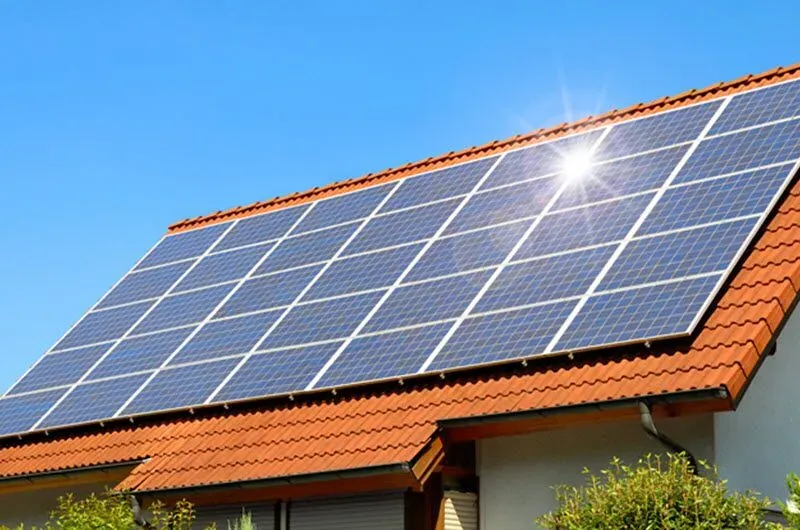
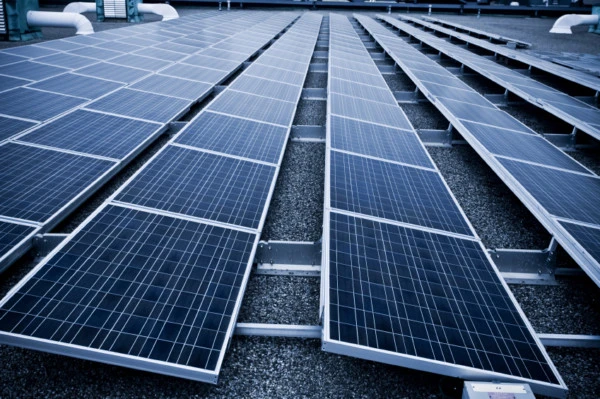
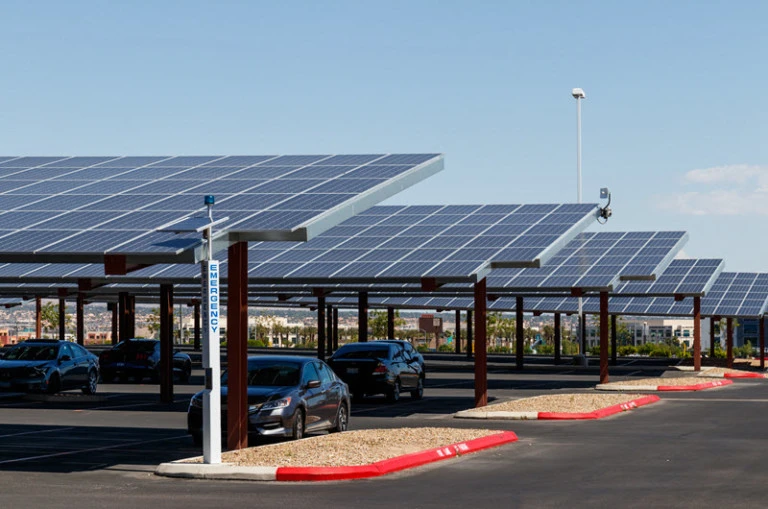
Solar panels can generate electricity during suitable daylight conditions. Battery storage can retain energy for later use. A generator can provide another backup source when stored energy is unavailable or insufficient.
Rocknoll Energy Systems offers solar, battery storage, and generator-related solutions. Combining technologies should always begin with an assessment of the property's energy requirements and the intended role of each system.
What Should Homeowners Consider Before Choosing a Generator?
Homeowners should first identify the loads they want to protect during an outage. They should then consider generator capacity, fuel requirements, installation location, transfer equipment, maintenance, and expected outage conditions.
Fuel availability is another practical factor. A backup system is most useful when its energy source can be maintained and accessed when needed.
Maintenance should also be part of the plan. Like other mechanical equipment, generators require appropriate servicing to remain ready for operation. Manufacturer recommendations and qualified service support can help maintain system reliability.
What Does a Better Backup Plan Really Provide?
The greatest benefit of backup power is not the generator itself. It is the confidence that important household functions have a defined source of electricity when the grid cannot provide it.
A thoughtful backup strategy starts with realistic energy needs and continues through equipment selection, installation, testing, and maintenance. It avoids both under-sizing a system and paying for capacity that does not serve a meaningful purpose.
For homeowners considering backup generators or Generac generator installation, Rocknoll Energy Systems provides generator, solar, battery storage, and related energy solutions. Its role can be considered within a broader plan focused on maintaining practical access to power when normal utility service is interrupted.

























Sign in to leave a comment.