Smart Construction Planning with BIM Outsourcing Solutions
The construction industry is experiencing a major shift toward digital technologies that improve efficiency, accuracy, and collaboration. As projects become more complex, companies must manage detailed designs, multiple systems, and strict timelines.
Building Information Modeling (BIM) has become an essential tool that helps professionals create intelligent digital models containing both design and construction data. However, maintaining an in-house BIM team can require significant investment in technology and expertise. For this reason, many organizations are now choosing BIM Outsourcing Services to handle complex modeling tasks while keeping projects efficient and cost-effective.
How Digital Modeling Improves Construction Workflows
BIM technology allows architects, engineers, and contractors to create detailed 3D models that represent the physical and functional elements of a building. These models include information about structural components, materials, mechanical systems, and other important project details.
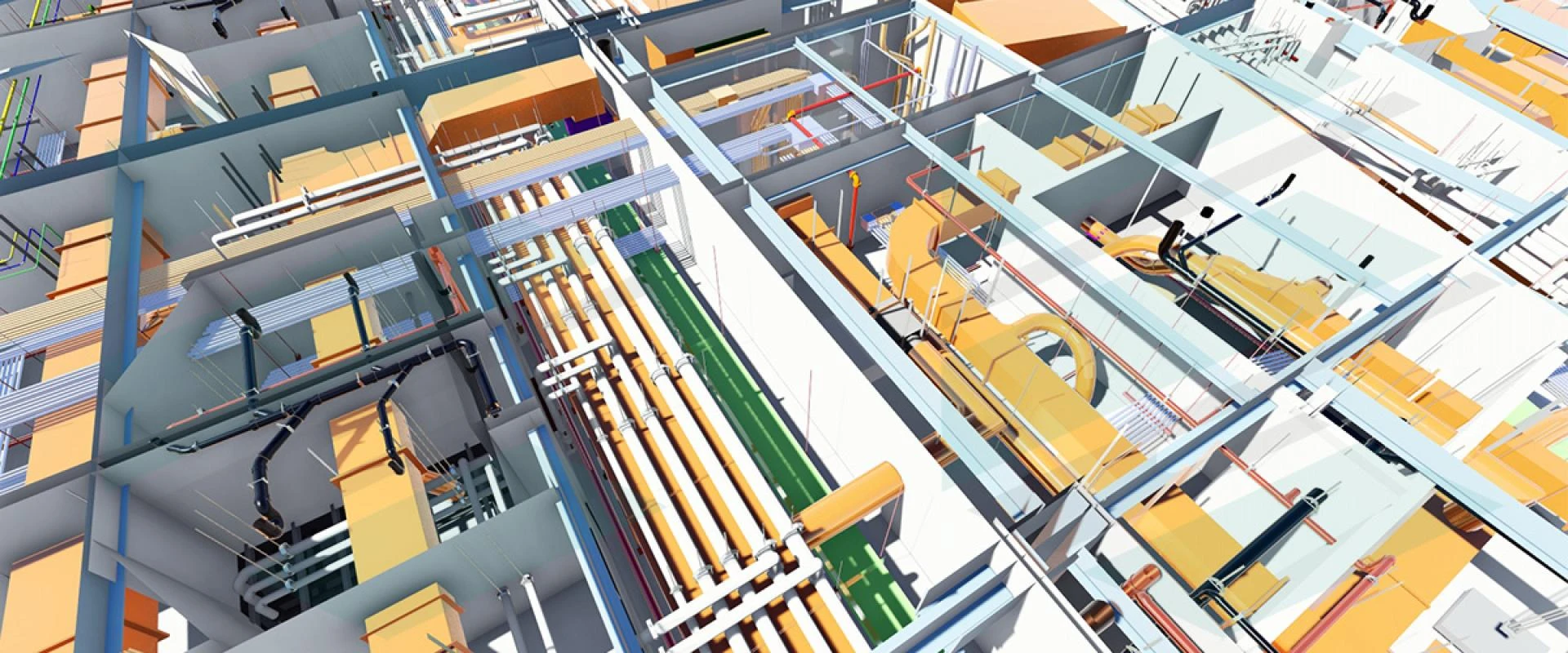
With BIM, project teams can visualize the entire building before construction begins. This improves communication among stakeholders and allows them to identify design conflicts early. For example, clashes between structural elements and mechanical systems can be detected and resolved during the planning stage instead of during construction. This approach saves time, reduces rework, and helps ensure smoother project execution.
What BIM Outsourcing Means for Businesses
Outsourcing BIM work involves partnering with specialized teams who focus on digital modeling, coordination, and construction documentation. These experts use advanced BIM software and industry knowledge to produce accurate models that support project planning and development.
Through BIM Outsourcing Services, companies can access skilled professionals without the need to hire and train large internal teams. Outsourcing also provides flexibility, allowing organizations to scale their resources depending on the size and complexity of each project. This helps construction firms maintain productivity while focusing on project management, client relationships, and overall design strategy.
Essential BIM Services Used in Construction Projects
Professional BIM providers offer several services that support different aspects of architectural and engineering projects.
Architectural Modeling and Visualization
Architectural BIM modeling focuses on developing detailed digital layouts of buildings, including walls, floors, roofs, and design features. These models help architects explore different design concepts and ensure that the final structure meets project requirements.
Structural BIM Development
Structural BIM services assist engineers in designing strong and stable frameworks for buildings. The models include components such as beams, columns, foundations, and slabs, ensuring that the structure meets safety standards and engineering specifications.
MEP System Modeling and Coordination
Mechanical, electrical, and plumbing systems are essential for building functionality. BIM tools allow professionals to model these systems in detail and coordinate them within the overall building design. This reduces system conflicts and improves installation efficiency.
Infrastructure and Civil Engineering Models
BIM technology is also widely used for infrastructure projects such as highways, bridges, drainage systems, and urban development plans. Digital models help engineers analyze site conditions and plan construction processes more effectively.
Key Benefits of Outsourcing BIM Tasks
Many construction companies prefer BIM Outsourcing Services because they offer several advantages that improve project performance.
Cost Efficiency
Outsourcing reduces the need for large investments in software licenses, hardware, and employee training.
Access to Industry Expertise
Professional BIM providers employ specialists who understand modern construction workflows and advanced modeling techniques.
Better Team Collaboration
Shared BIM models allow architects, engineers, and contractors to work together more effectively, improving communication and coordination.
Reduced Design Errors
Clash detection and model analysis help identify potential issues early in the project lifecycle, preventing costly modifications during construction.
Scalable Project Support
Outsourcing allows companies to increase or decrease BIM resources depending on project demands.
The Increasing Demand for BIM in Construction
As technology continues to influence the construction industry, BIM is becoming a standard practice for many firms worldwide. The ability to manage project information digitally improves transparency, enhances collaboration, and ensures that designs are accurately translated into real-world construction. Companies that adopt BIM strategies often gain a competitive advantage by delivering projects faster and with higher precision.
Conclusion
The future of construction relies heavily on digital planning and efficient collaboration between different project teams. BIM plays a critical role in achieving these goals by providing accurate models and valuable project insights.
For organizations seeking reliable digital modeling and project coordination support, Endeion offers professional BIM solutions tailored to modern construction requirements. By combining advanced technology with industry expertise, Endeion helps businesses streamline workflows, reduce project risks, and successfully complete complex construction projects.


























Sign in to leave a comment.