
BIM Management: Transforming Construction Practices Today
The AEC industry is changing fast. Traditional 2D designs and disconnected team efforts are no longer sufficient. Advanced digital processes now drive efficiency and collaboration, with Building Information Modeling (BIM) leading the way.
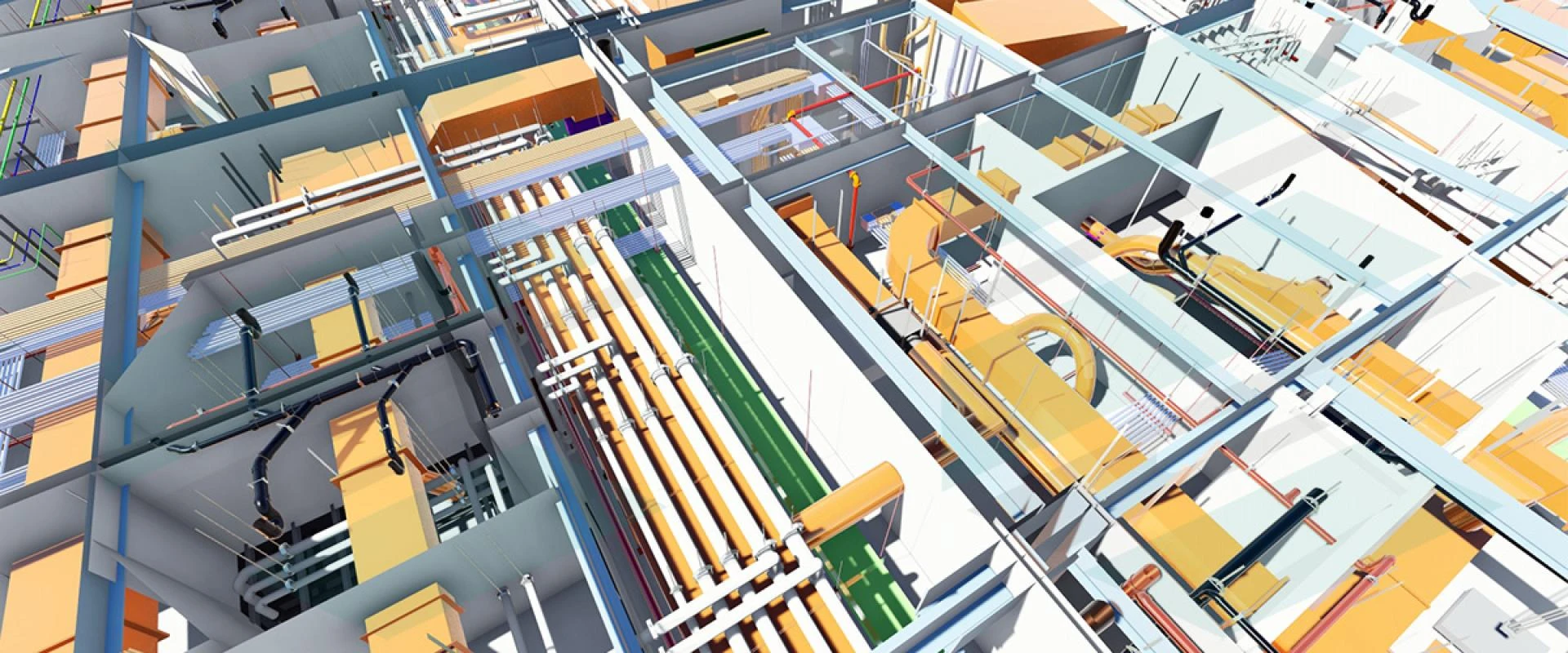
BIM is a digital approach that creates intelligent 3D models representing a building’s physical and functional characteristics. These models are more than just visual representations. They contain detailed data about materials, systems, sequencing, costs, and lifecycle operations. BIM provides a unified platform where all stakeholders, including architects, engineers, contractors, and owners, can collaborate effectively throughout the entire project lifecycle.
BIM management refers to the structured coordination of how BIM is applied across a project. It ensures that accurate data reaches the right team members at the right time. This supports planning, design, construction, and ongoing facility management, turning BIM into a strategic asset rather than just a software tool.
This blog will explain what BIM management is, its key benefits, best practices for successful implementation, and how professional BIM support, like the services offered by Endeion, can help teams leverage BIM for better project outcomes.
What Is BIM Management
BIM management is the organization and coordination of processes, tools, and workflows that allow project teams to use BIM effectively. It ensures that everyone involved works with reliable and consistent information.
Key aspects of BIM management include:
Coordinating Information and Workflows
BIM management ensures that architects, engineers, contractors, and owners are all working from the same updated model. Shared platforms and organized workflows allow every team member to access accurate and current information.
Maintaining Standards and Protocols
BIM data is complex and requires rules for structuring, sharing, and version control. BIM managers create standards so that models from multiple disciplines integrate smoothly without errors or conflicts.
Facilitating Collaboration and Communication
A strong BIM management system fosters communication and collaboration. Using a common data environment allows all stakeholders to view the same model, provide feedback, and make informed decisions based on shared insights.
Supporting the Entire Project Lifecycle
BIM management extends beyond design and construction. Models continue to provide value during operations and maintenance, enabling owners to use BIM as a digital reference for facility management and future renovations.
In essence, BIM management transforms the use of BIM from a set of software tools into a structured process that drives project success.
Key Benefits of BIM Management
1. Enhanced Team Collaboration
BIM management creates a single platform where all project stakeholders can work together. Shared access to up-to-date models reduces miscommunication and ensures that all teams are aligned.
2. Improved Visualization and Decision Making
Detailed 3D models allow teams to visualize complex building systems and simulate construction scenarios. This clarity helps make informed decisions early in the project.
3. Early Identification of Design Conflicts
BIM helps detect clashes between systems such as structural, electrical, and mechanical components before construction begins. This reduces costly rework and avoids delays.
4. Cost and Schedule Efficiency
Integrating cost data and construction timelines into BIM models allows teams to forecast budgets and schedules accurately. Better planning reduces delays, optimizes resources, and minimizes unexpected costs.
5. Long-Term Value for Building Owners
BIM management ensures that models remain useful after construction. Owners can use the data for asset management, maintenance planning, and future upgrades, creating a digital twin of the facility for long-term benefit.
Best Practices for Effective BIM Management
Implementing BIM successfully requires more than software. The following strategies help maximize results:
Define a Clear BIM Strategy
Start by setting project goals and specifying the level of detail required at each stage. A structured strategy ensures that resources and expectations are aligned.
Establish a Common Data Environment
A centralized repository for all models, documents, and reports ensures that teams work from the latest information, reducing errors and duplication.
Create a BIM Execution Plan
The BIM Execution Plan outlines roles, responsibilities, workflows, standards, and deliverables. It keeps all stakeholders aligned and provides a roadmap for the project.
Invest in Training and Support
Teams need proper knowledge of BIM tools and processes. Training ensures staff can use software effectively, collaborate efficiently, and adopt new practices with confidence.
Monitor and Measure Performance
Track metrics such as clash detection, adherence to schedule, and cost variance to improve processes continuously and make data-driven decisions.
How Expert BIM Support Can Enhance Projects
Many organizations do not have all the expertise needed to manage BIM internally. Professional BIM services provide the guidance and resources to implement best practices and achieve project goals effectively.
BIM Implementation and Workflow Setup
Experts help define how BIM will be integrated, including templates, standards, and collaboration protocols.
Continuous Coordination and Clash Detection
Regular model coordination ensures high-quality data, reducing surprises during construction.
Training and Onboarding
Tailored training ensures that teams understand workflows and tools, reducing learning curves and improving adoption.
Model Creation and Documentation
Expert teams produce accurate 3D models, shop drawings, and quantity takeoffs to support every stage of the project.
Lifecycle Data Integration
Professional BIM management structures data for facility management, allowing owners to leverage BIM for ongoing maintenance and renovations.
Conclusion
BIM management combines technology, collaboration, and organization to transform construction workflows. By improving communication, detecting issues early, and supporting better planning, BIM management enhances project performance from design through operation. Teams that adopt structured BIM management are better equipped to deliver complex projects efficiently and effectively.
Discover More
If you are looking to integrate BIM management into your upcoming project or strengthen your team’s BIM expertise, partner with Endeion for expert guidance and a tailored consultation today.



























Sign in to leave a comment.