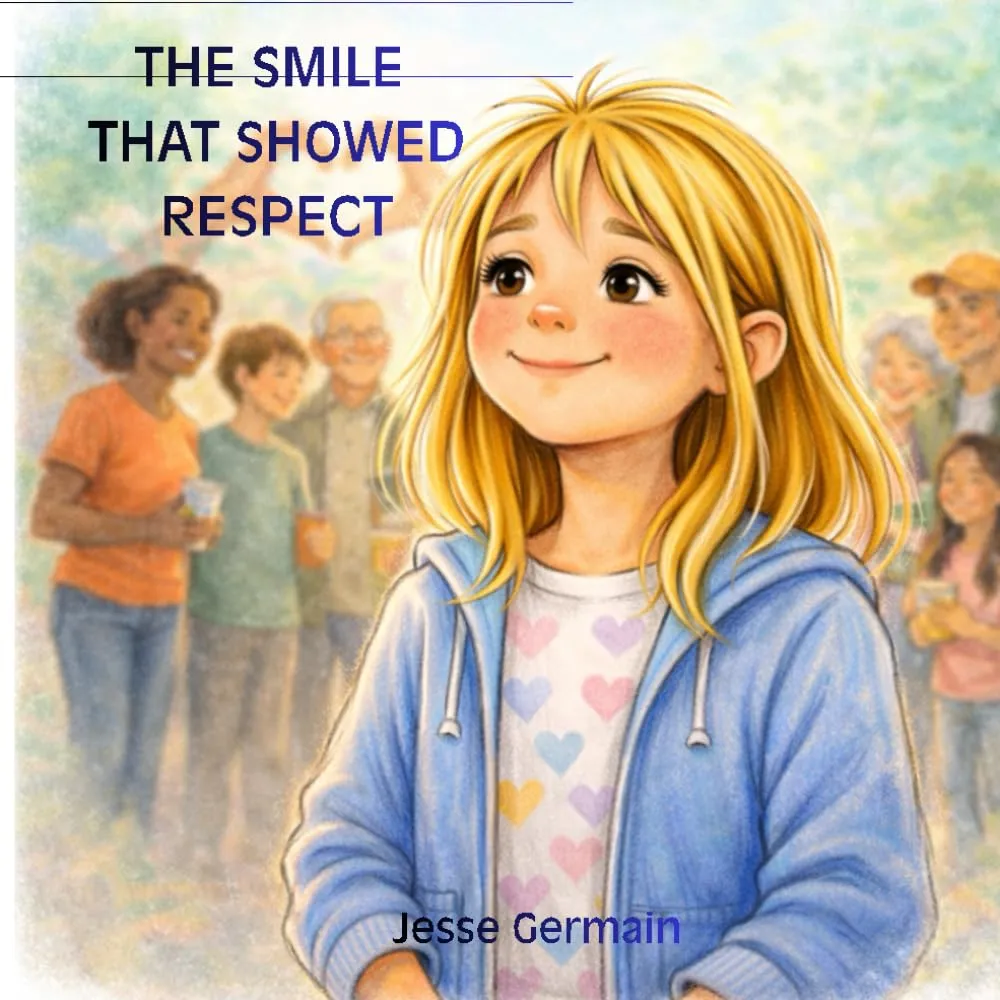
The elementary school years represent a critical window of development where the playground and the classroom serve as the primary laboratories for human interaction. During this stage, children are not just learning literacy and numeracy; they are learning the complex, often unwritten rules of engagement that will define their future relationships and professional success. For many children, however, the leap from the safety of home to the social demands of school can be daunting. This is where the intersection of literature and social-emotional learning becomes vital.
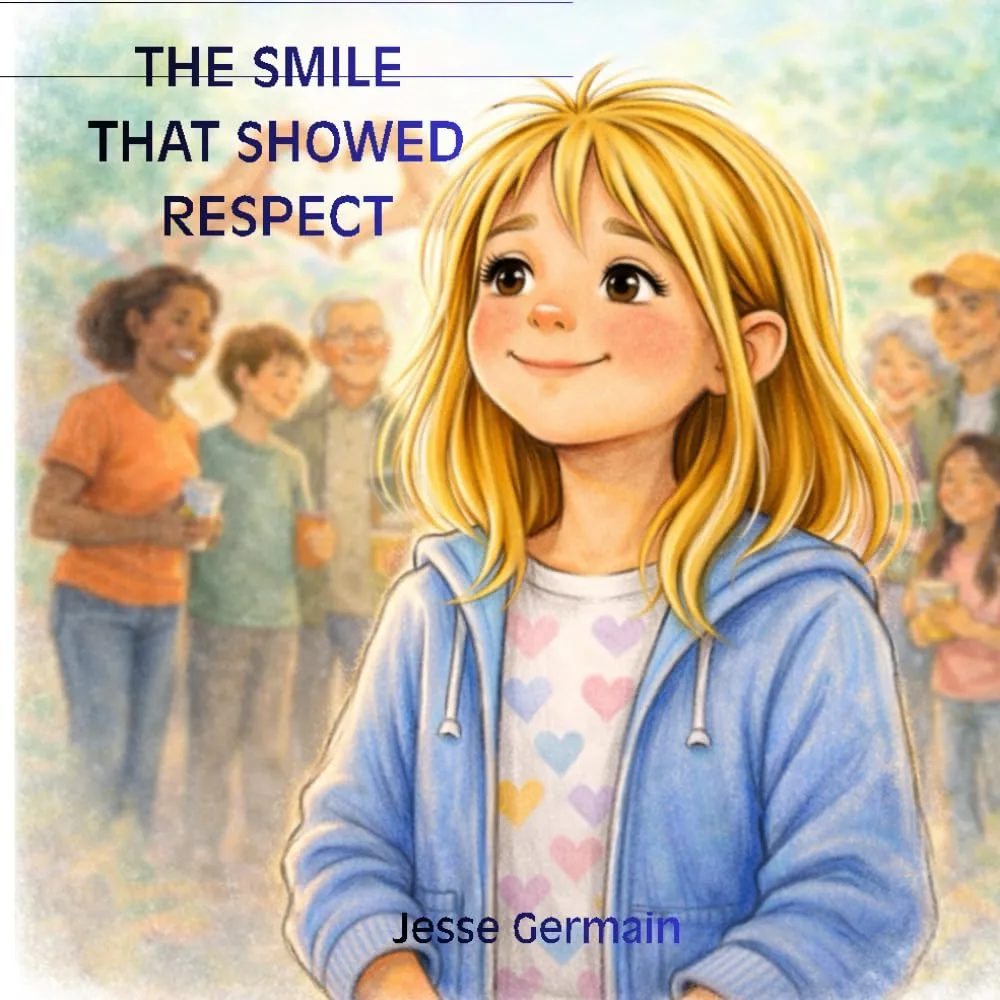
In his insightful new book, The Smile That Showed Respect, author Jesse Germain provides a roadmap for building confidence in children while simultaneously reinforcing essential social skills for elementary students. By focusing on a relatable protagonist who overcomes her own internal barriers, Germain offers a narrative that is both a mirror for the shy child and a guide for the developing one.
The Foundation of Social Skills for Elementary Students
Social skills are the tools that allow us to communicate, persuade, and cooperate. For a young child, these skills are not innate; they must be modeled, practiced, and refined. Social skills for elementary students encompass a wide range of behaviors, from making eye contact and active listening to sharing and conflict resolution.
In The Smile That Showed Respect, Jesse Germain identifies that the core of all social interaction is respect. The story takes place during a school Volunteer Day—a high-stakes environment where social hierarchies and the pressure to perform can often trigger anxiety. By placing the protagonist in this setting, Germain highlights a reality for many students: the fear of "doing it wrong" often prevents them from doing anything at all.
The book teaches that social competence starts with small, manageable actions. Instead of asking the child to deliver a speech or lead a group immediately, Germain suggests that the first step toward mastering social skills for elementary students is as simple as a smile. This "entry-level" social cue reduces the barrier to entry, making the act of connecting with others feel achievable rather than intimidating.
Building Confidence in Children Through Small Victories
Confidence is often misunderstood as a personality trait—something a child is either born with or lacks. In reality, confidence is a muscle built through "mastery experiences." When a child faces a fear and survives, their self-efficacy grows.
Building confidence in children requires us to give them the tools to handle discomfort. In the story, the young girl starts the day feeling "nervous and unsure." She is paralyzed by the "what ifs" of social interaction. This is a common psychological state known as social inhibition. Jesse Germain handles this with grace, validating the child's feelings rather than dismissing them.
The turning point occurs when the protagonist relies on her mother’s wisdom: “choose respect and smile.” This shift from internal worry to external action is the secret to building confidence in children. By focusing on others—through smiling, listening to their stories, and offering a helping hand with food donations—the girl moves out of her own head. As she sees the positive impact her presence has on the community, her self-doubt evaporates. She realizes that she is not an observer of her community, but a valuable contributor to it.
The Role of Respect in Creating Inclusive Communities
While the book title emphasizes a "smile," the narrative runs much deeper, exploring the concept of respect as the ultimate social glue. In the context of social skills for elementary students, respect is often taught as a list of "don'ts" (don't interrupt, don't hit, don't be rude). Germain flips this narrative, presenting respect as a series of "dos."
- Do listen: The protagonist finds that listening to others’ stories makes them feel valued.
- Do contribute: Helping with donations shows a respect for the collective goal.
- Do acknowledge: A smile acknowledges the humanity of the person in front of you.
By reframing respect as an active, consistent choice, The Smile That Showed Respect provides a blueprint for an inclusive community. When a child learns that their small acts of kindness can make someone else feel appreciated, they begin to understand their own power. This realization is a cornerstone of building confidence in children, as it shifts the focus from "Will they like me?" to "How can I help them feel welcome?"
Why "The Smile That Showed Respect" is a Classroom Essential
Educators are under increasing pressure to integrate character education into an already crowded curriculum. Jesse Germain’s book serves as an efficient and effective tool for this integration. Because it targets social skills for elementary students through a compelling story, it bypasses the "lecture" format that many children resist.
Classrooms that prioritize building confidence in children through literature often see a decrease in bullying and an increase in collaborative play. When students read about a peer who manages her anxiety through respectful behavior, they are given a script they can follow. Teachers can use the book to initiate "Kindness Challenges" or "Respect Circles," where students practice the very actions the protagonist uses: listening, smiling, and participating.
Jesse Germain’s Contribution to Children’s Literature
Jesse Germain has managed to capture a profound psychological truth in a format that is accessible to the youngest readers. The book does not promise that the girl's nervousness will never return; instead, it promises that she now has the tools to navigate it. This is the most honest approach to building confidence in children. We don't build confidence by removing obstacles; we build it by proving to the child that they have the internal resources to overcome them.
For anyone looking to improve social skills for elementary students, The Smile That Showed Respect is a masterclass in social-emotional coaching. It reminds us that every strong community is built one interaction at a time, and every confident child is built one "brave step" at a time.
Practical Strategies for Parents and Educators
To maximize the impact of the themes in The Smile That Showed Respect, parents and educators can implement the following strategies aimed at building confidence in children:
- The "Respect Reflection": After reading, ask the child to identify one person they saw today who looked like they needed a smile. This builds situational awareness—a key component of social skills for elementary students.
- Role-Play Social Entry: Practice the girl’s "brave step" at home. How do we approach a group at the park? We start with a smile and a helpful gesture.
- Validate the Struggle: If a child is feeling nervous, remind them of the girl in Jesse Germain’s book. Acknowledge that being "unsure" is the first step toward being "brave."
Conclusion: A Legacy of Kindness
At its heart, The Smile That Showed Respect by Jesse Germain is a story about the transformative power of perspective. It teaches us that respect is a language that everyone speaks, and a smile is a bridge that anyone can build.
By focusing on social skills for elementary students through the lens of empathy and service, Germain provides a much-needed resource for the modern world. More importantly, by showing the internal growth of a nervous young girl into a confident community member, he provides a roadmap for building confidence in children that will stay with them long after the book is closed.
This story is a reminder that leadership doesn't look like being the loudest; it looks like being the kindest. In the hands of a child, this book is a seed that will eventually grow into a more respectful, inclusive, and confident future for us all.

























Sign in to leave a comment.