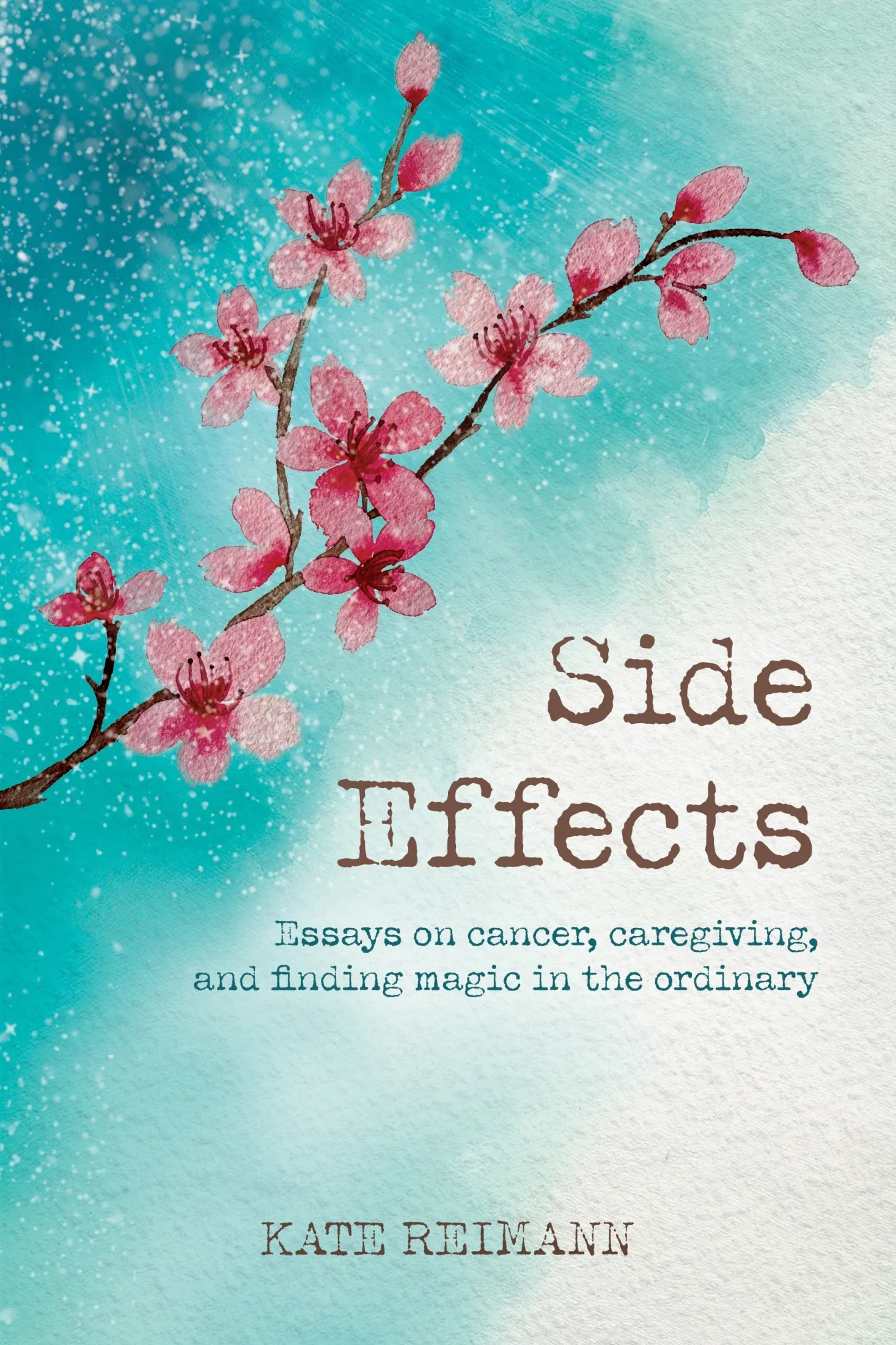
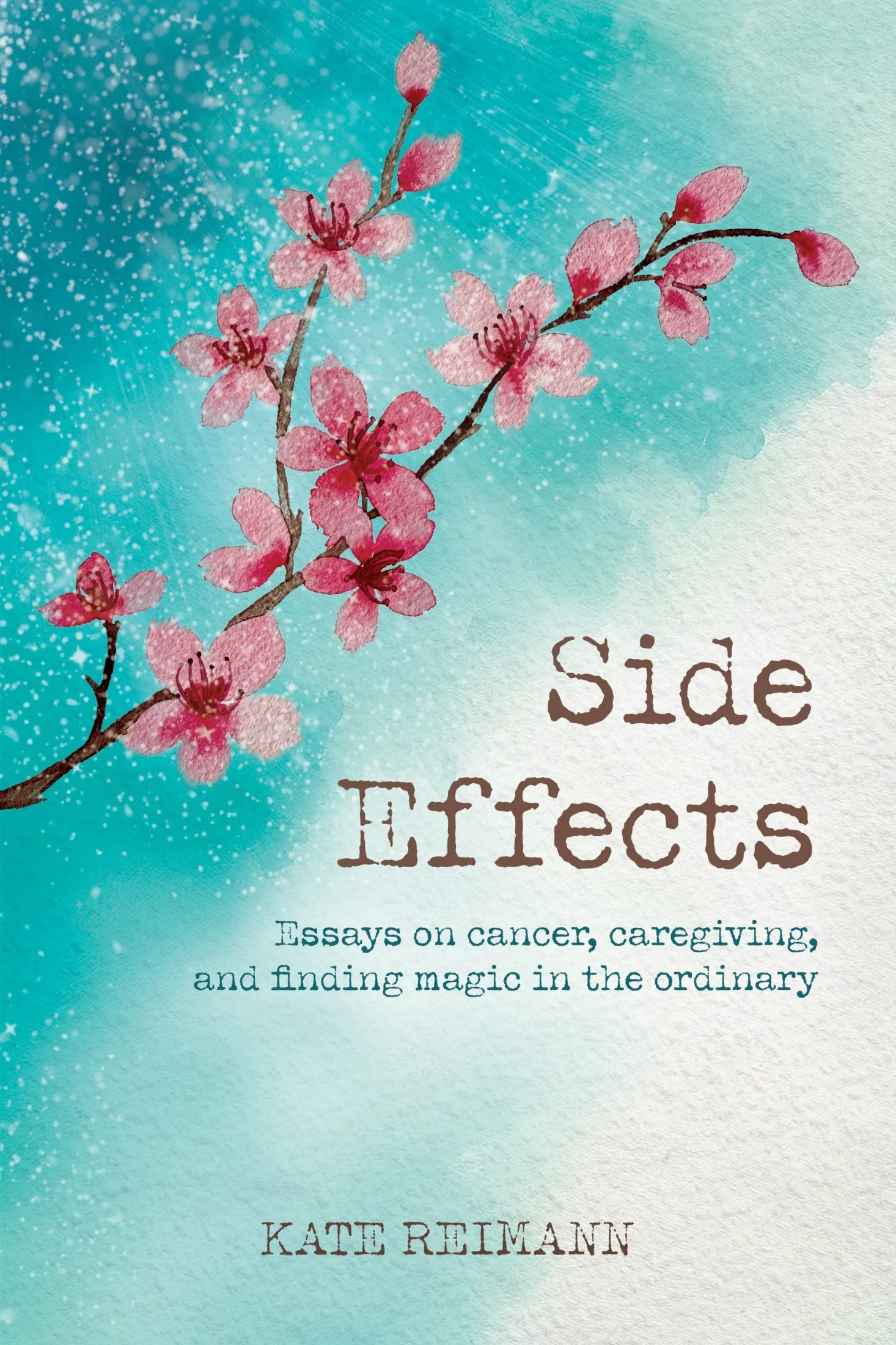
In the landscape of health-related literature, many memoirs focus strictly on the clinical battle—the surgeries, the statistics, and the eventual recovery or loss. However, Kate Reimann’s collection of essays, Side Effects, ventures into a more profound and often overlooked territory: the internal transformation of the soul when faced with a terminal threat. Through her husband Dan’s long and grueling battle with Stage III melanoma, Reimann explores the duality of human existence—how profound sorrow can exist alongside profound beauty, and how Finding Magic in the Ordinary becomes a vital survival strategy.
The Foundation of Emotional Resilience in Chronic Illness
The journey of the Reimann family did not begin in a hospital, but in the middle of a vibrant life in South America. When the diagnosis of melanoma arrived, it acted as a "meticulous eraser," wiping away the plans they had made for their future and their children. This sudden shift from a predictable life to one governed by scans and survival rates is the ultimate test of Emotional Resilience in Chronic Illness.
Resilience is often misunderstood as an innate toughness or an absence of fear. Reimann’s essays redefine it. For Kate, resilience was not the absence of a breakdown; it was the ability to have that breakdown—sometimes in the middle of a hospital Starbucks or on a balcony overlooking Santiago—and then return to her husband’s bedside or her children’s playroom. It is the "stiff upper lip" balanced with the courage to be vulnerable. This book teaches us that Emotional Resilience in Chronic Illness is a muscle developed through the repetition of showing up, even when the "if" in the room feels overwhelming.
The Concept of "Magic" Amidst the Mundane
The heart of the book lies in the author's unique philosophy of Finding Magic in the Ordinary. When the "big" things in life—career stability, long-term health, and future security—are stripped away, what remains are the small, seemingly insignificant moments that suddenly take on a holy quality.
Reimann describes "magic" not as a supernatural occurrence, but as a shift in perspective. It is the ability to see beauty in "snow in the spring"—something that feels distinctly out of place and perhaps "wrong," yet possesses an undeniable aesthetic grace. In the context of a cancer journey, magic is found in:
- The rhythmic "counting of buoys" during a swim to calm a racing mind.
- The simple comfort of a hot cup of green tea after a day of clinical trials.
- The laughter of her sons, Paul and Jude, whose "joy personified" acted as an anchor to the present moment.
For those navigating a health crisis, the act of Finding Magic in the Ordinary serves as an emotional life raft. It prevents the trauma of the illness from becoming the only narrative of one's life.
The Caregiver’s Quiet Strength
While Dan Munter is the patient, Kate’s essays shine a light on the caregiver’s role in maintaining the family’s emotional ecosystem. Providing Emotional Resilience in Chronic Illness often falls on the shoulders of the spouse. Kate details the exhausting reality of being the "unseen survivor"—the person who must manage the "Million Dollar Man" treatments and the ICU stays while simultaneously ensuring that "Treehouses and Butterflies" remain part of her children’s reality.
The book captures the specific isolation of the caregiver. Kate speaks of the "deep end" of the pool—that place where you realize you are far beyond the safety of "normal" life and must learn to tread water indefinitely. Her journey shows that Finding Magic in the Ordinary is often the only thing that keeps the caregiver from sinking. By focusing on the "constellations" of support from friends and the "thousand paper cranes" of hope, she illustrates how a family can stay afloat.
Navigating the "Side Effects" of Trauma
The title Side Effects is a brilliant double entendre. In a medical sense, it refers to the high fevers and infections Dan suffered during his immunotherapy and clinical trials at Georgetown’s Lombardi Cancer Center. However, in a spiritual sense, it refers to the changes in one’s soul that occur after staring death in the face.
One of the most potent "side effects" explored in the book is a heightened sense of gratitude. When survival is no longer guaranteed, the present moment becomes an exquisite gift. This is a core component of Emotional Resilience in Chronic Illness: the transition from "Why is this happening?" to "What can I cherish right now?"
Reimann’s writing suggests that the trauma of illness leaves a permanent mark, but that mark doesn't have to be a scar; it can be a window. Through that window, one sees the world with more clarity and less tolerance for the trivial. Finding Magic in the Ordinary becomes easier when you realize that the "ordinary" was actually extraordinary all along.
Parenting and the Preservation of Childhood Joy
A significant challenge for anyone facing a family health crisis is protecting the innocence of children. How does a parent demonstrate Emotional Resilience in Chronic Illness when they feel like they are falling apart?
Kate’s essays, such as "A Whole Lot of Gray" and "Ignoring the If in the Room," provide a roadmap for parents. She emphasizes the importance of "never postponing joy," a lesson taught to her by her mentor, Luba. Whether it was planning holiday cookie parties or moving the family to the shores of Oahu, Hawaii, the goal was always to ensure that her children’s memories were defined by love and adventure, not just hospital corridors. By Finding Magic in the Ordinary activities like youth lacrosse or waving at commuters, she provided her sons with a stable foundation despite their father’s health instability.
The Role of Optimism and Science
It is impossible to discuss the resilience found in Side Effects without mentioning Dan’s "relentless optimism." His "indomitable spirit" acted as a catalyst for the family’s hope. However, Reimann is careful to ground this optimism in the reality of science. She highlights the importance of clinical trials and the medical research that eventually saved Dan’s life.
The synergy between medical advancement and a positive spirit is where Emotional Resilience in Chronic Illness truly thrives. It is the belief that while the "stats" might be grim (an 18% to 30% survival rate), there is always a path forward. The "magic" isn't just in the emotions; it's in the miracle of immunotherapy and the dedication of the doctors who fight alongside the patients.
Key Lessons for Readers
For those who pick up Side Effects, Kate Reimann offers a series of profound realizations:
- Resilience is a Practice: You don't "have" resilience; you practice it every day by choosing to stay present.
- Magic is Everywhere: You don't need a miracle to find magic. It is in the "trails of crumbs and pool water" left by children and the "stars and songs" of a quiet night.
- The Importance of Community: #TeamDan was not just a hashtag; it was a "constellation" of people who provided the light when the Reimanns were in their "darkest moments."
- Embrace the "Gray": Life is rarely black and white. Most of our journey happens in the "gray" areas of uncertainty, and learning to be comfortable there is the key to Emotional Resilience in Chronic Illness.
Conclusion: The Winding Road to Peace
Kate Reimann’s Side Effects concludes not with a declaration of a "cure," but with a celebration of "way too much life." The story that began with a terrifying diagnosis in Argentina ends with a sense of peace on the islands of Hawaii.
The book serves as a powerful reminder that while we cannot control the "vicious disease" or the "winding road of surprises" that life throws at us, we can control our response. By Finding Magic in the Ordinary and cultivating Emotional Resilience in Chronic Illness, we can turn a period of intense suffering into a "bit of magic" that inspires others.
Kate Reimann has given a voice to the "unseen survivors" and a guidebook to anyone who feels like they are treading water in the deep end. Her essays prove that even when life feels "distinctly wrong," there is still beauty there, waiting to be found. As she notes in her dedication, the goal is to never postpone joy—because the "side effects" of love and connection are the only things that truly last.



























Sign in to leave a comment.