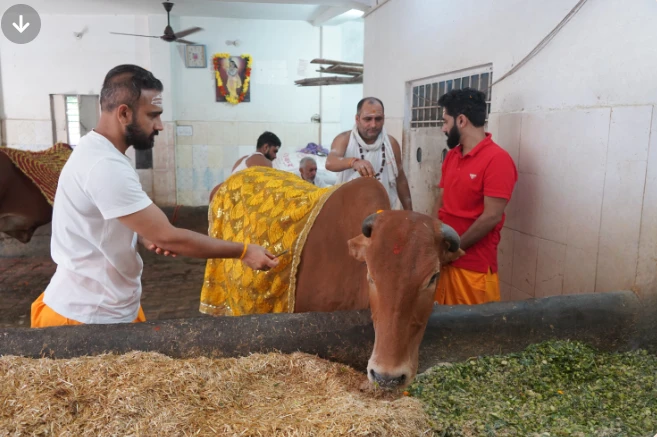

Throughout history, the cow has been revered in various cultures, particularly in Hinduism, where it holds deep spiritual significance. The cow is not just an animal; it is considered sacred, embodying divinity, sustenance, and purity. Across India and in many other parts of the world, cow protection and worship have been integral to religious and cultural traditions.
The Divine Connection: Why Is the Cow Sacred?
In Hindu philosophy, the cow is believed to be the earthly embodiment of divine virtues. Scriptures such as the Vedas, Upanishads, and Bhagavad Gita emphasize the importance of the cow, highlighting its role in spiritual and material well-being.
1. Symbol of Motherhood and Nourishment
Hindus often refer to the cow as "Gau Mata" (Mother Cow) because, like a mother, she provides nourishment through her milk. The cow’s ability to sustain human life through dairy products symbolizes abundance, selflessness, and the nurturing aspect of nature.
2. Connection to Lord Krishna
One of the most well-known deities associated with cows is Lord Krishna, who is often depicted as a cowherd (Govinda) playing his flute among the cattle in Vrindavan. Krishna’s deep love for cows reflects the divine bond between humans and these gentle creatures. Many of Krishna’s pastimes involve tending to cows, reinforcing their spiritual importance.
3. The Cow in Hindu Rituals and Worship
Cows play a vital role in Hindu religious ceremonies. Panchagavya, a sacred mixture of five cow-derived products (milk, ghee, curd, dung, and urine), is used in purification rituals and Ayurvedic medicine. Cow dung is considered an antiseptic and is used to purify homes and temples.
The Cow in Ancient Texts and Scriptures
The importance of cows is deeply rooted in ancient Hindu scriptures:
- Vedas: The Rig Veda describes the cow as "Aghnya," meaning "that which should not be killed."
- Mahabharata: The epic emphasizes cow protection and condemns cow slaughter as an act of great sin.
- Bhagavad Gita: Lord Krishna states that he is Kamadhenu, the divine cow who fulfills all wishes.
The Role of Cows in Ayurveda and Well-Being
Cows contribute not just to spiritual life but also to health and wellness. Ayurvedic texts highlight the medicinal benefits of cow products:
- Milk: Rich in essential nutrients and considered sattvic (pure) in nature.
- Ghee: Used in fire rituals (yagnas) and Ayurvedic remedies for digestion and immunity.
- Cow Urine (Gomutra): Recognized for its detoxifying properties and used in traditional medicine.
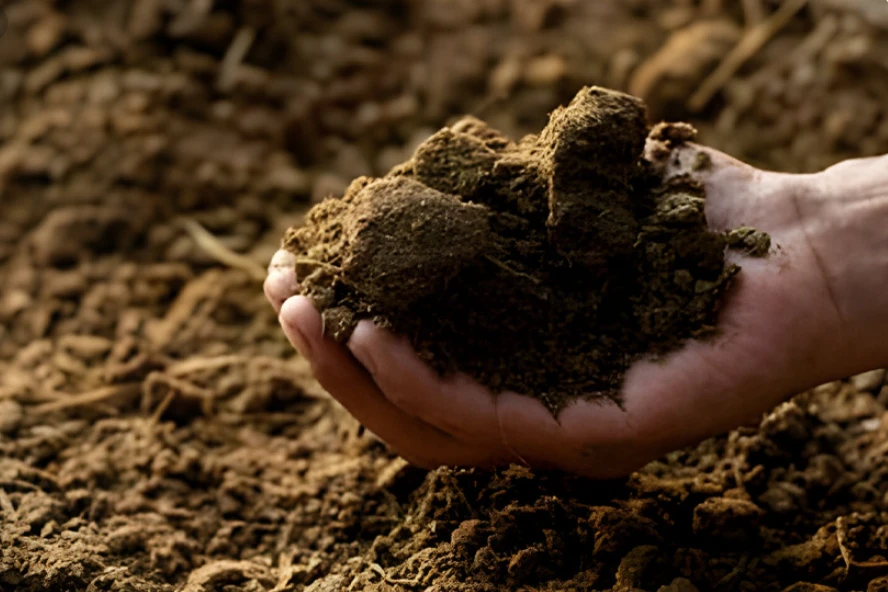
- Cow Dung: Acts as a natural disinfectant and is used in farming as organic manure.
The Importance of Gauraksha (Cow Protection)
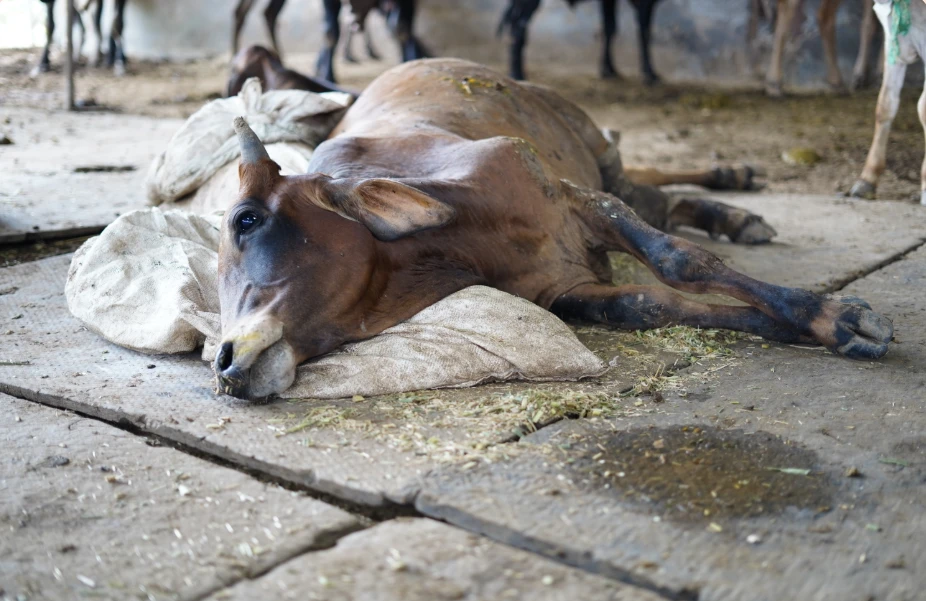
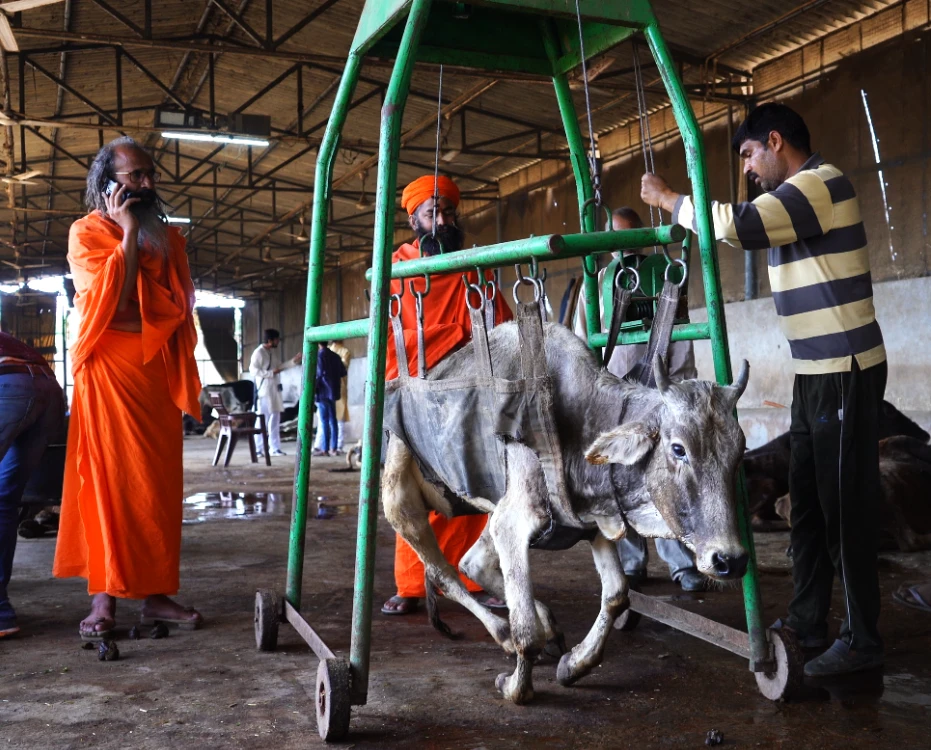
Cow protection (Gauraksha) is a fundamental principle in Hindu dharma. The ethical treatment of cows is seen as a way to uphold righteousness (Dharma) and maintain ecological balance. Organizations like Krishnayan Gauraksha are dedicated to preserving this sacred tradition by sheltering and caring for cows.
1. Cows and Sustainable Agriculture
Organic farming thrives on cow-based agriculture. Cow dung is an excellent natural fertilizer that enriches the soil, reducing the need for chemical pesticides. Similarly, cow urine serves as an eco-friendly pesticide, ensuring sustainable farming practices.
2. Protecting Indigenous Cow Breeds
Many traditional Indian cow breeds, such as Gir, Sahiwal, and Rathi, are known for their high-quality milk and resilience. Conservation efforts are essential to protect these breeds from extinction and promote ethical dairy farming.
Festivals and Celebrations Honoring Cows
Several Hindu festivals celebrate and honor cows, reaffirming their sacred status:
- Govardhan Puja: Commemorates Lord Krishna’s lifting of Govardhan Hill to protect cows and devotees.
- Gopashtami: Dedicated to worshiping and caring for cows, observed mainly in Braj (Mathura-Vrindavan region).
- Makar Sankranti: Farmers decorate and worship cows in gratitude for their role in agriculture.
The Spiritual Message: Coexistence and Compassion
The reverence for cows in Hinduism teaches a broader lesson of compassion, coexistence, and respect for all living beings. Protecting cows is not just about religious belief but also about sustaining an ethical and harmonious way of life.
Conclusion
The cow’s significance goes beyond religious symbolism; it represents a divine connection between humans and nature. From spiritual practices to ecological benefits, cows play a vital role in sustaining life and promoting well-being. Supporting organizations like Krishnayan Gauraksha can help preserve this sacred tradition for future generations. Embracing cow protection and ethical treatment reflects our commitment to Dharma, sustainability, and universal compassion.


























Sign in to leave a comment.