

Stablecoins have evolved from a niche crypto asset category into one of the most significant financial innovations of the decade. In 2026, they are no longer viewed merely as trading instruments used within cryptocurrency exchanges. Instead, they have become a foundational layer for payments, remittances, treasury management, decentralized finance, and cross-border commerce.
The growth trajectory of stablecoins reflects a broader transformation occurring within the global financial ecosystem. Businesses, financial institutions, fintech companies, and even governments are exploring digital asset infrastructure to improve efficiency, reduce settlement friction, and enable real-time value transfer. As a result, stablecoins have emerged as a practical bridge between traditional finance and blockchain-based economies.
The question is no longer whether stablecoins will achieve mainstream relevance. The more important question is what factors are accelerating their adoption across industries and jurisdictions in 2026.
The Shift from Speculation to Utility
One of the primary drivers behind stablecoin adoption is the transition from speculative usage to utility-driven applications.
During the early years of the crypto industry, stablecoins primarily served traders who needed a less volatile asset while moving funds between exchanges. Today, their role has expanded significantly. Organizations are integrating stablecoins into operational workflows because they offer practical advantages over conventional payment systems.
Key utility-driven use cases include:
- Real-time international settlements
- Cross-border supplier payments
- Treasury diversification strategies
- Merchant payment acceptance
- Payroll distribution for global workforces
- Liquidity management within decentralized ecosystems
Businesses increasingly recognize that blockchain-based settlement can reduce delays associated with correspondent banking networks while improving transparency across transactions. This practical value proposition is driving sustained adoption beyond the cryptocurrency sector.
Regulatory Clarity Is Strengthening Market Confidence
For years, regulatory uncertainty represented one of the largest barriers to stablecoin growth. In 2026, several major economies have introduced clearer frameworks governing issuance, reserves, transparency, and consumer protection.
Regulatory maturation has produced multiple benefits for the ecosystem. Institutional participants that previously remained cautious are now entering the market with greater confidence. Financial service providers are building stablecoin-enabled products knowing that compliance requirements are becoming more standardized.
The industry is also witnessing improved reserve management practices. Issuers are increasingly required to maintain verifiable backing assets, undergo periodic audits, and disclose reserve composition. These measures enhance trust among users and reduce concerns regarding solvency risks.
As regulations become more structured, stablecoins are gradually transitioning from a disruptive experiment into a recognized component of digital financial infrastructure.
Cross-Border Payments Are Becoming Faster and More Efficient
International money movement has historically been associated with high fees, multiple intermediaries, and settlement delays. Stablecoins address many of these inefficiencies by enabling direct blockchain-based value transfer.
Traditional cross-border payment networks often require multiple banking relationships and operate within limited business hours. Stablecoin transactions, by contrast, can be processed continuously and settled within minutes depending on the underlying blockchain infrastructure.
Several factors are contributing to adoption in this area:
- Reduced transaction costs compared to legacy systems
- Faster settlement times
- Increased transparency and traceability
- Improved accessibility in emerging markets
- Lower dependency on intermediary institutions
For multinational companies managing global operations, these efficiencies can translate into meaningful cost savings and operational improvements. As international commerce becomes increasingly digital, stablecoins are positioned as a viable alternative for global value exchange.
Institutional Participation Is Reshaping the Ecosystem
Institutional involvement has become one of the defining characteristics of the stablecoin market in 2026. Banks, payment providers, asset managers, and fintech firms are actively exploring stablecoin integrations to modernize financial services.
Unlike previous market cycles dominated by retail enthusiasm, current growth is being supported by enterprise-grade infrastructure and institutional capital. Financial organizations are investing in custody solutions, compliance frameworks, tokenized asset platforms, and blockchain settlement networks.
This institutionalization is producing several important outcomes:
- Greater liquidity across digital asset markets
- Enhanced infrastructure reliability
- Stronger security standards
- Improved risk management frameworks
- Increased interoperability between traditional and decentralized systems
The emergence of enterprise-focused blockchain ecosystems has further accelerated demand for stable digital currencies that can facilitate transactions within regulated environments.
In parallel, organizations specializing in blockchain innovation, including a Decentralized Stablecoin Development Company, are contributing to the evolution of next-generation stablecoin architectures designed to enhance transparency, governance, and resilience.
The Rise of Tokenized Economies and Digital Asset Markets
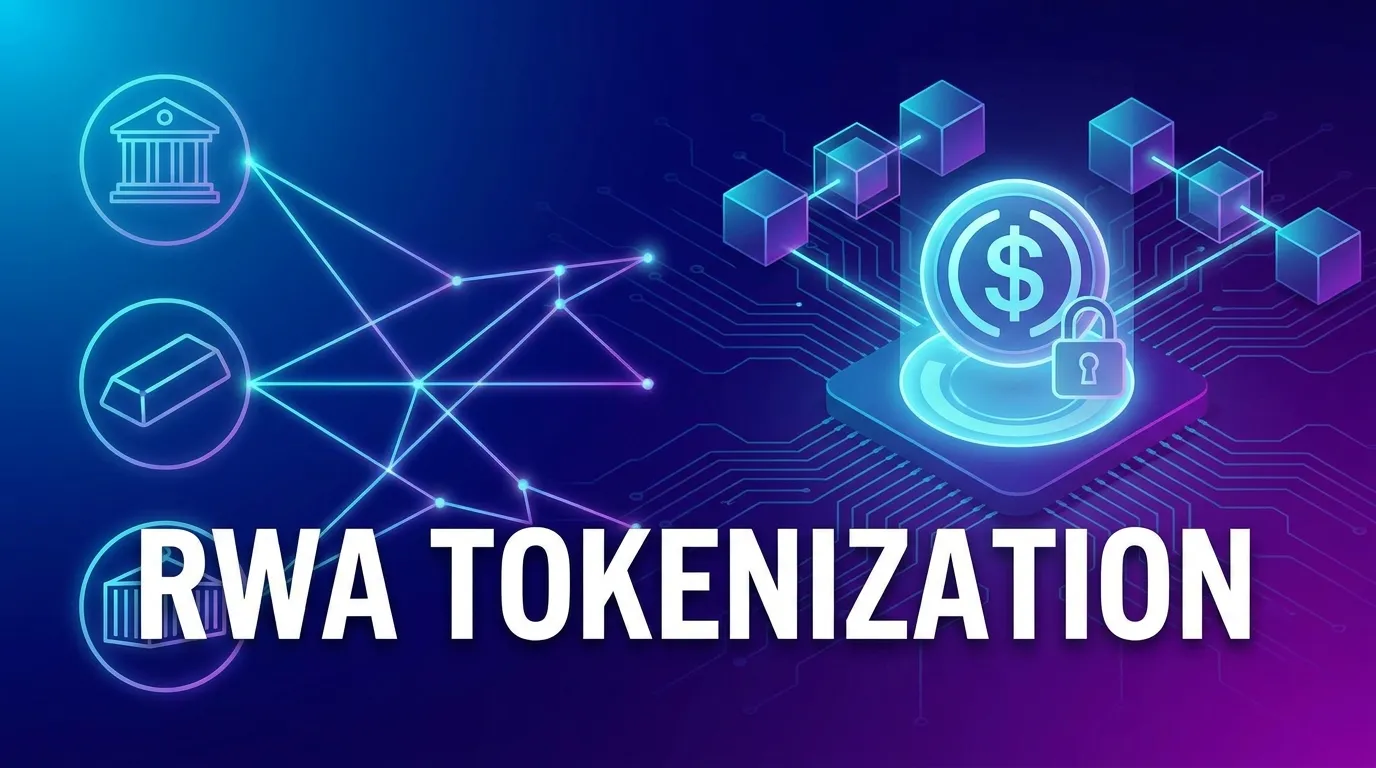
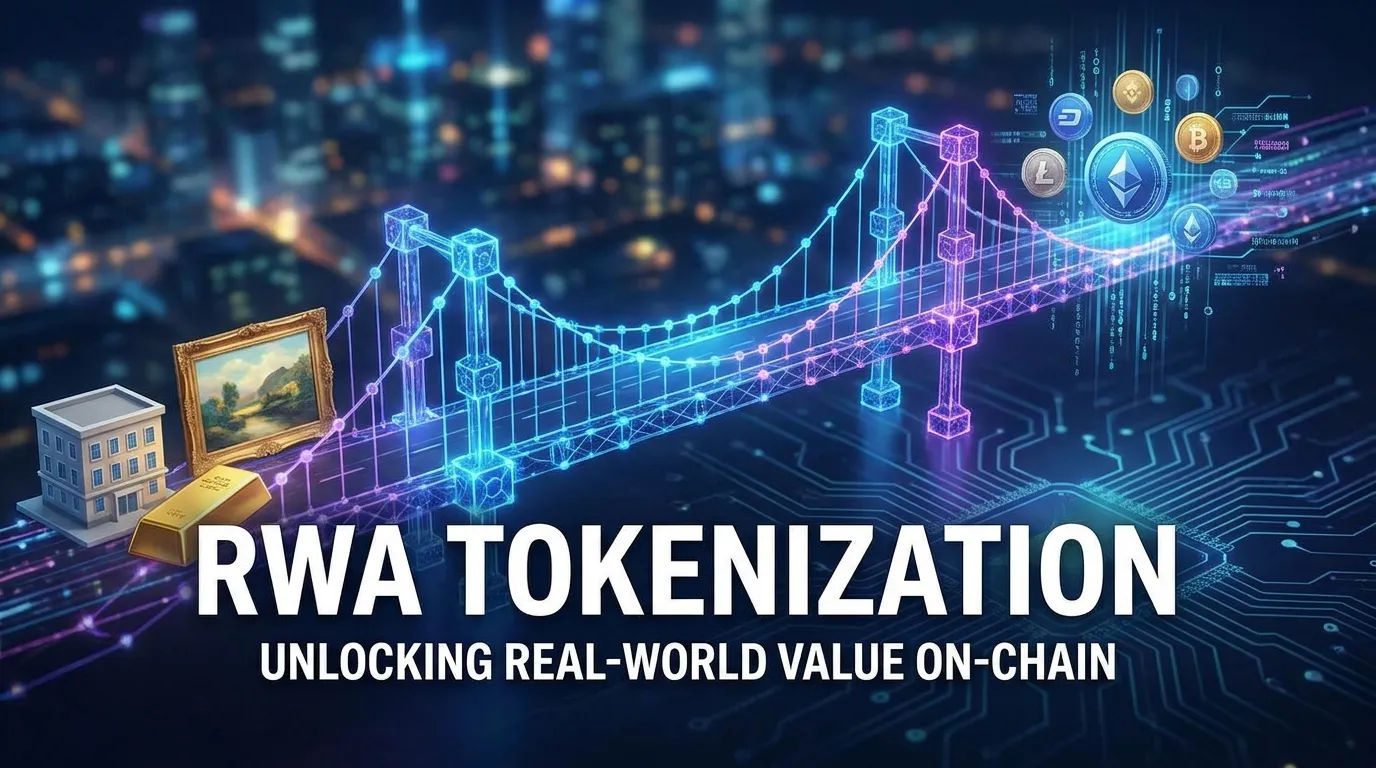
Another major catalyst behind stablecoin adoption is the rapid expansion of tokenized economies. Real-world assets such as real estate, bonds, commodities, and private equity are increasingly being represented on blockchain networks.
Tokenization creates new opportunities for fractional ownership, enhanced liquidity, and programmable financial products. However, these ecosystems require an efficient medium of exchange. Stablecoins naturally fulfill this role by providing a relatively stable unit of account within blockchain-based environments.
As tokenized asset markets continue to mature, stablecoins are becoming integral to various activities, including asset purchases, collateral management, yield generation, and settlement operations.
The growth of decentralized finance has also reinforced stablecoin demand. Lending protocols, decentralized exchanges, liquidity pools, and automated financial services depend heavily on stable assets to facilitate transactions and manage risk. Consequently, stablecoins remain central to the broader digital asset economy.
Looking Ahead: Stablecoins as Financial Infrastructure
The stablecoin boom of 2026 is not being driven by a single trend. Rather, it is the result of multiple converging forces including regulatory progress, institutional adoption, payment modernization, blockchain innovation, and the expansion of tokenized economies.
What distinguishes this phase of growth from previous cycles is the emphasis on real-world utility. Businesses are no longer experimenting with stablecoins solely because they are part of the cryptocurrency ecosystem. They are adopting them because they solve practical challenges associated with speed, cost, accessibility, and operational efficiency.
As financial systems continue to evolve, stablecoins are increasingly positioned as a foundational layer of digital commerce. Their ability to connect traditional financial infrastructure with blockchain networks makes them one of the most important technologies shaping the future of global value transfer.
While the market will continue to evolve, the momentum behind stablecoins suggests that their role in the global economy is likely to expand significantly over the coming years. In 2026, stablecoins are no longer simply a crypto innovation—they are becoming a core component of the next generation of financial infrastructure.




















Sign in to leave a comment.