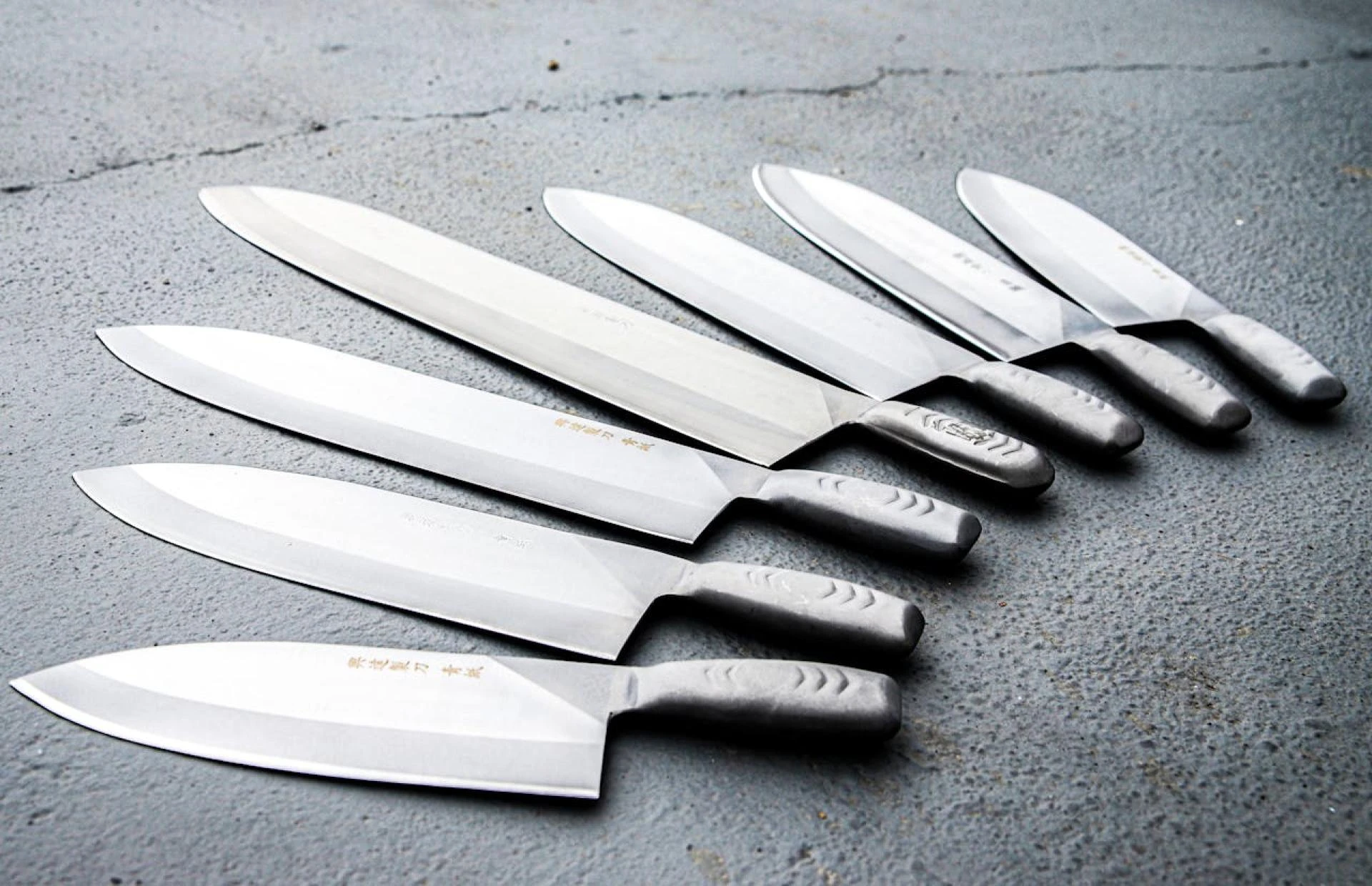

Japanese knives are more than everyday kitchen tools. They represent a heritage that spans centuries, shaped by culture, discipline, and craftsmanship passed down through generations. The blades we know today didn’t begin in the kitchen, they evolved from the swords once carried by samurai. As Japan entered a long period of peace during the Edo era, swordsmiths redirected their skills, transforming ancient forging techniques into the creation of incredibly sharp and precise kitchen knives.
These knives have come to symbolize focus, balance, and respect, qualities reflected in the hands of every serious cook. At Kazoku Knives, that respect for tradition continues to guide every blade. In this article, we’ll explore the history of Japanese knives, the regions and styles that shaped them, and why they remain so valued today.
From Battlefield to Cutting Board: Where It All Began
Long before Japanese knives found their place in kitchens, their origins were rooted in warfare. The foundations of this craft were laid in an era when blades were forged for warriors rather than chefs.
The Age of the Swordsmith
During Japan’s feudal period, particularly between the 13th and 19th centuries, blacksmiths held an honored position in society. Their most revered creation was the katana. These swords were not merely weapons, they were spiritual and cultural symbols tied to the samurai code of honor, precision, and discipline.
Each katana was:
- Exceptionally sharp
- Carefully balanced
- Hand-forged using advanced methods like folded steel and clay tempering
Producing a single sword could take weeks of focused labor. Every step required precision, and swordsmiths invested immense pride in their work, earning widespread respect throughout Japan.
The End of the Samurai Era
The Meiji Restoration of 1868 brought rapid modernization and Western influence. With new laws banning the public carrying of swords, the samurai class faded away and so did the demand for katanas. Swordsmiths faced a turning point: abandon centuries of tradition or adapt their skills to a new purpose.
Late 19th to Early 20th Century: The Rise of Kitchen Knives
Rather than letting their craft disappear, many swordsmiths transitioned into making practical tools, most notably kitchen knives. The same techniques once used for forging swords were applied to knife blades, resulting in tools unlike anything else in the world.
These techniques included:
- Layered and hardened steel for superior sharpness
- Single-bevel edges for extreme precision
- Careful hand-finishing for balance and visual appeal
This marked the birth of traditional Japanese kitchen knives tools that carried the soul of the samurai but were now used to prepare food instead of fight battles.
Knife-Making Regions Take Shape
As the reputation of Japanese knives grew, certain regions became known as centers of excellence for blade-making:
- Sakai (Osaka) – Active since the 1500s, Sakai became famous for professional single-bevel knives after swords were banned.
- Echizen (Fukui Prefecture) – With roots going back to the 14th century, Echizen is known for hammered finishes and sturdy work knives.
- Tsubame-Sanjo (Niigata Prefecture) – A metalworking hub since the 1600s, combining traditional forging with advanced steel techniques.
Even today, these regions produce some of Japan’s finest knives. At Kazoku Knives, we collaborate with craftsmen from these historic areas to preserve authenticity and quality.
Materials and Innovation: Old Meets New
While early Japanese knives were made using traditional materials, the craft has continued to evolve.
From Tamahagane to Modern Steels
Originally, blades were forged from tamahagane, the same steel used in samurai swords. While incredibly sharp, it required careful maintenance to prevent rust. Over time, smiths introduced new materials, including:
- High-carbon steel for exceptional edge retention
- Stainless steel for easier care
- Damascus steel for both performance and visual beauty
Many sharp-edge Japanese knives at Kazoku Knives combine these materials to balance sharpness, durability, and low maintenance.
Traditional Methods, Modern Benefits
Techniques like cladding, where a hard core is layered between softer steel and hammered finishes are still widely used today. These aren’t just decorative choices; they improve strength, reduce food sticking, and enhance cutting performance. With modern distribution, Japanese knives are now available online to cooks around the world.
Traditional Japanese Knife Styles
Every Japanese knife is designed with a specific purpose in mind. Shape, weight, and bevel all serve a function.
Deba – Fish Preparation Knife
A thick, heavy blade traditionally used for breaking down whole fish.
- Single-bevel edge for controlled cuts through bone
- Common in Edo-period fish markets
- Ideal for serious seafood preparation
Yanagiba – Sushi & Sashimi Knife
Long and elegant, made for slicing raw fish in a single motion.
- Preserves texture and appearance
- Slim blade reduces resistance
- A staple for sushi chefs
Usuba – Professional Vegetable Knife
A flat, single-bevel blade used in high-end kitchens.
- Perfect for katsuramuki peeling
- Essential for refined vegetable work
- Offers exceptional control
Nakiri – Everyday Vegetable Knife
A more approachable version of the Usuba.
- Double-bevel edge for easier use
- Excellent for straight, clean vegetable cuts
- Ideal for home kitchens
Kiritsuke – The Hybrid Blade
A blend of Yanagiba and Usuba features.
- Traditionally reserved for head chefs
- Flat profile with a pointed tip
- Highly versatile and striking in design
Western Influence and Hybrid Knives
As Japan embraced international cuisine, knife designs adapted. Western cooking introduced new ingredients and techniques, leading to more versatile blades.
Two modern classics emerged:
- Gyuto – Japan’s version of the Western chef’s knife, suitable for nearly any task.
- Santoku – Meaning “three virtues,” designed for meat, fish, and vegetables, and popular in home kitchens.
These knives reflect a balance between Eastern craftsmanship and Western practicality.
The Spirit Behind Every Blade
Japanese knife-making isn’t just about sharpness, it’s about philosophy. Each blade is created with patience, respect, and long-term purpose. A great knife should:
- Feel natural in your hand
- Cut smoothly and effortlessly
- Honor the ingredients being prepared
This mindset defines Kazoku Knives. Our sharp-edge Japanese knives are crafted to bring both performance and enjoyment into every kitchen.
Japanese Knives Around the World
Today, Japanese knives are trusted by chefs and home cooks globally.
They’re favored because:
- They’re lighter and reduce hand fatigue
- They stay sharp longer
- Their geometry allows cleaner, more precise cuts
- They make cooking more intuitive and enjoyable
Kazoku Knives: Carrying Tradition Forward
At Kazoku Knives, we proudly continue this legacy through:
- Hand-sharpened, razor-sharp edges
- Premium blends of carbon and stainless steel
- Ergonomic handles with balanced design
- Collaboration with master artisans from historic regions
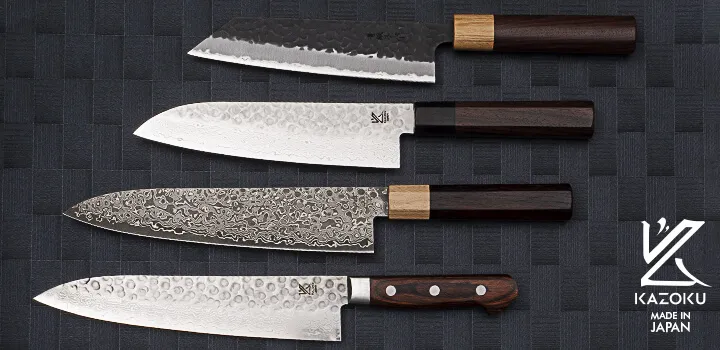
Each knife is designed to last, whether it’s a Santoku, Gyuto, or Kiritsuke.
Why the History of a Knife Matters
Understanding a knife’s origin adds meaning to its use. Japanese knives aren’t just functional, they carry centuries of craftsmanship.
Holding Tradition in Your Hands
Every Japanese knife reflects generations of knowledge and intention. These aren’t mass-produced tools; they’re carefully made with purpose.
Experience the Kazoku Difference
If you’re looking for a blade that blends heritage, performance, and beauty, Kazoku Knives offers sharp Japanese knives online that respect tradition while meeting modern needs.
Final Thoughts
Japanese knives have evolved from samurai swords into essential kitchen companions, but the heart of the craft remains unchanged. It’s still about care, precision, and creating something that lasts. Whether you’re new to cooking or deeply passionate about it, a quality Japanese knife can transform your experience. With Kazoku Knives, you’re not just buying a tool, you’re holding history in your hand.
Originally published at kazokuknives.com


























Sign in to leave a comment.