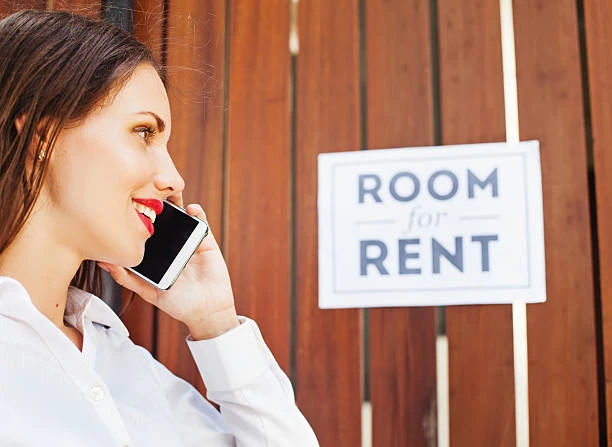

Urban migration continues to drive demand in major metropolises, creating a dichotomy in which professional opportunities clash with cost-of-living realities. Rooms for rent in Los Angeles, Tokyo, Paris, New York, and the rest of the world’s major cities are scarce, so students, expatriates, and young professionals are turning to the shared economy model of housing.
This article outlines the benefits of shared living and the risk-management strategies necessary for success based on insights culled from some of the world’s busiest housing markets.
Economic Advantage
The primary driver of seeking roommates is mitigating high rental costs in competitive markets. Splitting rent makes more desirable neighborhoods more affordable.
- Los Angeles: Often called the "City of Dreams," LA attracts individuals pursuing careers in entertainment and technology. However, according to the U.S. Census Bureau, a two-bedroom apartment’s median rent in L.A. hovers well above the national average. It’s expensive to rent in L.A., and rent can account for a significant part of an L.A. resident’s income. How, then, do you work and make a life in a city you cannot afford to stay in? Shared living is the answer.
- Tokyo: Sky-high rent is a reality in Tokyo. Residents have a choice to make: Live farther away from the city center, or pay astronomical rent for a tiny space. In this case, shared housing can be a good compromise. It allows access to popular districts such as Shibuya, Shinjuku, and Roppongi. Shared apartments also often come fully furnished, and this eliminates the need to spend money on furniture.
- Rome: Renting solo is cost-prohibitive in central areas. By living with roommates, residents can afford to stay in beautiful, historic neighborhoods, such as Trastevere, Prati, and Monti, or live closer to universities like La Sapienza and Libera Università Internazionale degli Studi Sociali Guido Carli (LUISS).
- Berlin: Like many metropolitan cities, Berlin has a competitive housing market. The high demand and the low inventory are driving up rent, so Berlin residents are turning to wohngemeinschaften (a.k.a., WGs) or shared apartments. Flat sharing makes popular areas like Mitte, Kreuzberg, and Prenzlauer Berg more affordable to tenants.
- Paris: Apartments in Paris have a reputation for being tremendously small and expensive. Most people must share housing to afford living in high-demand neighborhoods like Montmartre, Saint-Germain-des-Prés, and the Latin Quarter.
- Amsterdam: Sharing is a practical alternative to solo renting in Amsterdam to secure housing in popular districts, such as Jordaan and De Pijp, or up-and-coming areas like Noord.
Social Capital, Safety, and Flexibility
Shared living not only saves rent. It accelerates social integration and provides safety and flexibility benefits.
- Safety and security: In vast, sprawling, and anonymous cities, roommates can provide an additional layer of assurance. Roommates can look out for one another.
- Location flexibility: Shared housing makes otherwise out-of-reach neighborhoods financially accessible, but beyond that, it allows you to opt for short-term rental agreements over long-term leases. This allows you to move at will and explore different districts.
- Language and culture: If you’re an expatriate, room with locals to learn the country’s language faster and immerse yourself in the local culture.
- Network expansion: Globe-trotters typically appreciate interacting with other expats. Shared housing is a convenient way to meet and network with other global citizens.
Leveraging Digital Tools in Your Search for a Roommate
A roommates finder app can help streamline the process of finding a roommate. Wherever you are, employ these strategies to maximize the utility of digital roommate-finding tools:
Precision Filters
Be as specific and precise as you can when searching for potential roommates and completing your profile.
- Complete your profile, and include precise information about your preferences, lifestyle, and habits.
- Decide on your budget and location (e.g., Charlottenburg, Berlin or 7th arrondissement, Paris), and filter for those.
- Filter for lifestyle habits and preferences to limit results to roommates whose daily routine aligns or is compatible with yours.
Verification Tools
Use a roommate-finding app with a background check feature to add a layer of vetting to the process. While simple classified-ads-type platforms can be helpful, you must use them with care and conduct thorough background checks independently, as they lack integrated safeguards.
Direct Communication
Talk to potential roommates via in-app messaging. This is useful in fast-moving markets like Paris, Rome, and Los Angeles, as it allows immediate discussion of details. It also provides a convenient record of your chat history regarding requirements and terms.
The Roommate Vetting Checklist: Due Diligence
To mitigate risk and ensure stability, you must rigorously vet potential roommates. Use this checklist when conducting due diligence.
Solvency and Shared Costs
In high-cost rental markets like New York City and Los Angeles, financial friction is the primary cause of disputes. To prevent such problems, request proof of income (e.g., pay stubs or proof of employment) before signing a rental agreement or lease. Furthermore, settle bill-splitting and cost-sharing arrangements beforehand.
Lifestyle and Hygiene
In cities where space is at a premium (e.g., Tokyo and Paris), personal habits are particularly important. A "messy" roommate in a sprawling Texas ranch is easier to accept and live with than in a 40-square-meter Parisian apartment.
Ask the important questions, such as:
- What time do you wake up, sleep, and leave for work?
- What days and times are you usually home?
- Do you snore?
- Do you like to play loud music?
Discuss what “cleanliness” means to both of you. Naturally, everyone will say they value it, but the standards of cleanliness vary from person to person, so dig into the details. Bring up dishwashing routines, laundry habits, and other similar topics.
You should also definitely address climate control preferences, as you are most likely sharing the upkeep of common areas. Note that in older buildings, particularly in Rome and Paris, heating costs can be exorbitant. Mismatched temperature preferences can lead to significant financial variance and breed resentment.
Guest Policies
Shared living in places like Rome, Amsterdam, and Berlin may have a more social component than in Tokyo and New York City. Wherever you are, though, you must ask about social and guest guidelines.
- Are guests allowed to visit?
- Are guests allowed to sleep over?
- How many nights per week does a potential roommate anticipate having guests?
- Are events and parties allowed?
Reference Checks
Ask for the contact information of a previous roommate and a past landlord. A landlord can confirm how well your potential roommate pays rent, while a person who used to share an apartment with them can tell you if they leave socks on the floor or dirty dishes in the sink.
Finding the Right Room and Roommate
Shared living is practical and economical, especially in highly competitive cities. To maximize utility and minimize risks, use precise digital roommate-finding apps and tools to find an apartment that suits your tastes and preferences and a roommate that matches your lifestyle and habits.

































Sign in to leave a comment.