
Nobody Really Understands Pilot Training Until They’re In It
Most people imagine the exciting parts first.
The uniform. The airport walks. The cockpit photos. The feeling of saying, “I’m training to become a pilot.”
And honestly, that excitement is real.
But somewhere between the first few classes, the endless weather notes, the simulator nerves, and the early morning reportings, aviation starts feeling less like a fantasy and more like a serious commitment.
That’s usually the moment things begin to change.
Some students slowly lose interest once they realize how demanding the process can be. Others become even more focused. Not because training suddenly becomes easy — but because they begin understanding what aviation actually asks from you.
And over time, instructors notice something interesting.
The students who do well in aviation are usually not the loudest, most confident, or naturally “gifted” ones in the room.
They’re often the students who stay consistent when the excitement wears off.
Aviation Is Less About Glamour Than People Think
Outside the industry, aviation looks polished.
People see pilots travelling, wearing uniforms, walking through terminals confidently. Social media has made it look even more aspirational.
What people don’t usually see is the routine behind it.
The repetition. The discipline. The pressure of performing when you’re tired.
The hours spent understanding aircraft systems that initially make no sense.
The students who adjust well are usually the ones who stop romanticizing aviation very early and start respecting it instead.
A good Flight School in India doesn’t just teach students how to fly an aircraft. It slowly teaches them how to think responsibly.
Most Students Think Flying Is the Hard Part
Surprisingly, many instructors will tell you that flying itself is not always the biggest challenge.
The bigger challenge is consistency.
Showing up prepared.
Handling feedback without taking it personally.
Repeating procedures until they become second nature.
Staying calm after a bad simulator session.
Aviation has a way of testing patience and emotional discipline at the same time.
Some students become frustrated when progress feels slow. Others quietly keep improving because they stop chasing instant confidence.
That’s usually the difference, the students who grow steadily understand that aviation is built on habits and not on hype.
Ground School Humbles Almost Everyone
A lot of aspiring pilots enter training, imagining themselves in the air.
Then ground school starts.
Suddenly, there’s navigation, meteorology, air regulations, aircraft systems, performance calculations, technical manuals, and terminology that feels completely unfamiliar.
For many students, this becomes the first real reality check.
And honestly, it’s normal.
Almost every pilot reaches a stage where they wonder:
“Am I actually capable of doing this?”
The students who push through aren’t always the smartest academically.
They’re usually the ones who keep showing up even when things feel overwhelming.
That’s why a strong Aviation Training School matters so much. The environment around students during difficult phases often shapes whether they continue growing confidently or start doubting themselves unnecessarily.
Confidence Comes Later Than Most Students Expect
One thing aviation teaches very quickly is humility.
Students who enter training overly confident often struggle once procedures become more demanding. Meanwhile, quieter students sometimes become exceptional pilots because they stay open to learning.
Real confidence in aviation develops slowly.
It comes from:
- Repetition
- Preparation
- Mistakes corrected properly
- Understanding procedures deeply
- Staying calm during pressure
Not from pretending to know everything.
The healthiest training environments encourage students to ask questions freely instead of acting perfect.
And honestly, that makes better pilots.
Airline Training Expectations Have Changed
Pilot training today is very different from what it looked like years ago.
Earlier, many students focused mainly on completing flight hours and obtaining licenses. But airlines today expect far more operational readiness.
Modern airline environments require pilots who can:
- Work calmly in teams
- Communicate clearly under pressure
- Follow procedures consistently
- Adapt to structured operational systems
- Handle responsibility professionally
This is one reason airline-oriented ecosystems and pathways connected to indigo flight training models have become more relevant for aspiring pilots.
Students now understand that airlines aren’t only evaluating flying skill.
They’re also evaluating professionalism.
The Students Who Improve Fastest Usually Stay Teachable
One of the most underrated qualities in aviation is trainability, some students spend too much energy trying to appear confident. The better students usually do something simpler:
- They listen carefully
- They accept corrections
- They stay curious
And most importantly, they don’t let one bad day define their confidence.
Every pilot has rough phases during training, bad landings happen, simulator sessions go wrong, sometimes concepts take longer to understand. What matters is whether students become defensive or keep learning.
That attitude often predicts long-term success better than raw talent.
The Environment Around You Matters More Than You Think
Aviation training is deeply influenced by environment. Students absorb habits from instructors, classmates, and the overall culture around them.
A serious Flight School in India creates an atmosphere where:
- Safety is respected
- Discipline feels normal
- Questions are encouraged
- Professionalism is practiced daily
- Mistakes become learning moments instead of humiliation
That kind of environment changes how students develop emotionally during training and aviation is emotional, even if people don’t talk about it enough.There are moments of excitement, pressure, self-doubt, pride, frustration, and growth happening constantly.
Students need environments that help them manage all of it constructively.
The Industry Is Growing — But So Are Expectations
India’s aviation industry is expanding rapidly, which means opportunities for aspiring pilots continue growing. But growth also means competition is becoming sharper.
Airlines look for students who are not just technically trained, but operationally mature. That’s why structured learning environments and airline-oriented exposure connected to indigo flight training systems are attracting attention from serious aspirants.
The industry wants professionals who can adapt quickly, operate responsibly, and function confidently inside highly structured systems.
And those qualities are usually developed during training — not after it.
Choosing the Right Place to Train
A lot of students compare training institutes based only on aircraft numbers, pricing, or timelines.
Those things matter.
But what matters more over time is the overall learning culture.
A good Aviation Training School helps students build routines, discipline, and professional habits that stay with them long after training ends.
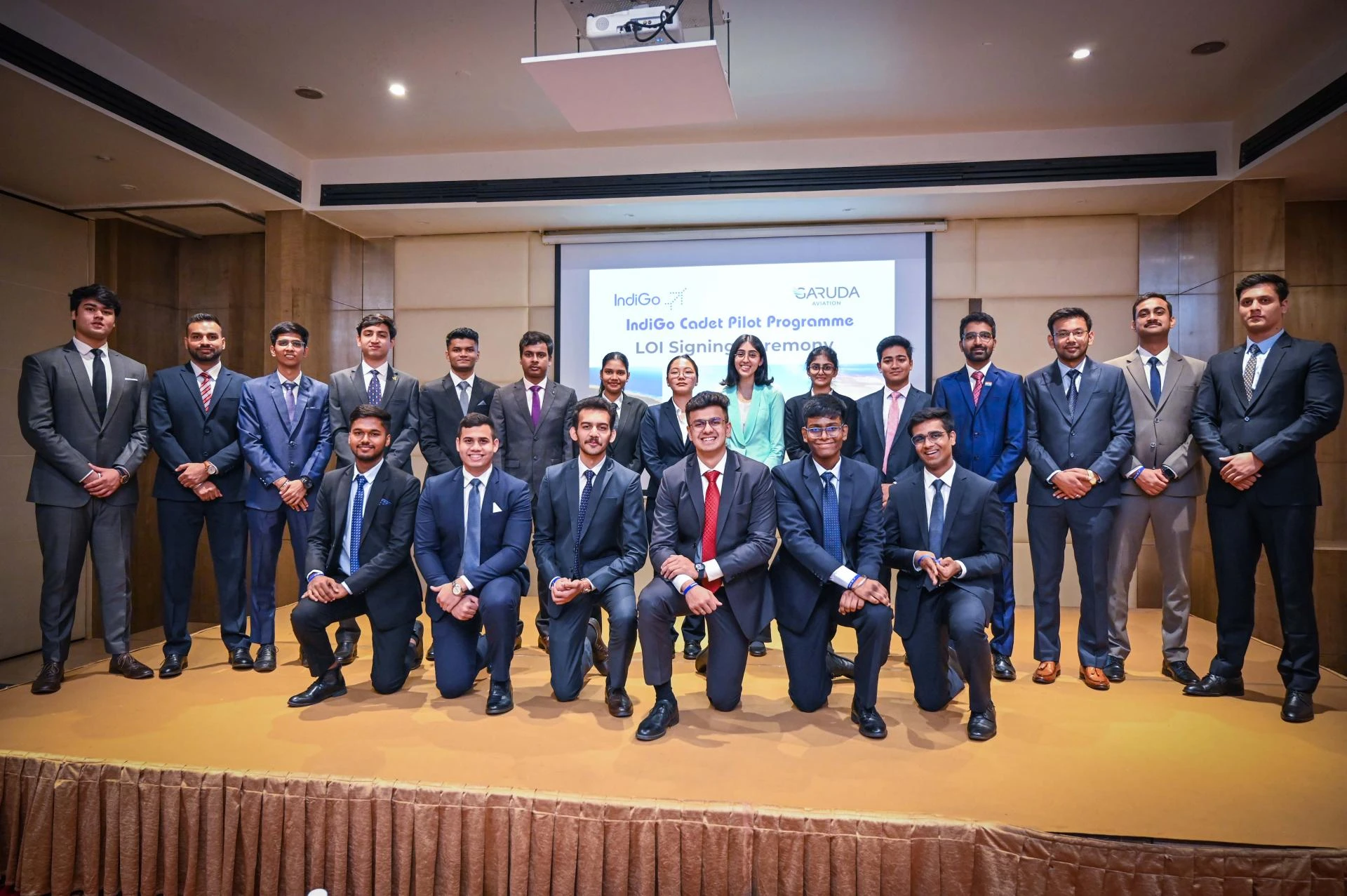
Resources like Garuda Aviation help aspiring pilots understand how modern aviation training pathways are evolving to align more closely with airline expectations.
Because eventually, the goal isn’t just getting a license. The goal is becoming someone airlines can trust.
Final Thoughts
Aviation has a way of revealing who is willing to stay patient, the students who succeed are rarely the ones trying hardest to look impressive.
They’re usually the students who:
- Stay disciplined when motivation drops
- Keep learning after mistakes
- Respect procedures
- Are curious
- Continue showing up consistently
That’s the common thread.
A strong Flight School in India can teach technical skills. A good Aviation Training School can prepare students professionally. Exposure to airline-oriented systems like indigo flight training can help students understand modern airline expectations.
But ultimately, success in aviation comes down to mindset. Because becoming a pilot is not one big cinematic moment.
It’s hundreds of small moments where discipline quietly wins over ego.



























Sign in to leave a comment.