
The Swedish construction industry has long been a source of economic strength and stability. Unlike the broader economy, it boasted consistent growth for over a decade, even amidst global uncertainties. However, recent years have brought a change in course. This article delves into the current state of the Swedish construction market, exploring its size, key sectors, prominent players, and the emerging trends that are shaping its future.
Market Size and Composition
Sweden’s construction market is substantial, with a turnover exceeding SEK 750 billion (roughly USD 70 billion) according to Trafikverket, the Swedish Transport Administration. This figure encompasses both building construction and civil engineering sectors. The building sector itself holds a significant share, valued at approximately SEK 550 billion (USD 51 billion). Civil engineering, on the other hand, contributes around SEK 200 billion (USD 18.5 billion) to the market, with the Swedish Transport Administration itself accounting for 30% of this segment’s turnover through its infrastructure projects.
It’s important to note that a significant portion of the market focuses on maintenance and repair of existing structures. Estimates suggest this segment utilizes SEK 55–70 billion (USD 5.1–6.5 billion) annually, highlighting the emphasis Swedes place on keeping their built environment functional.
Sector Spotlight
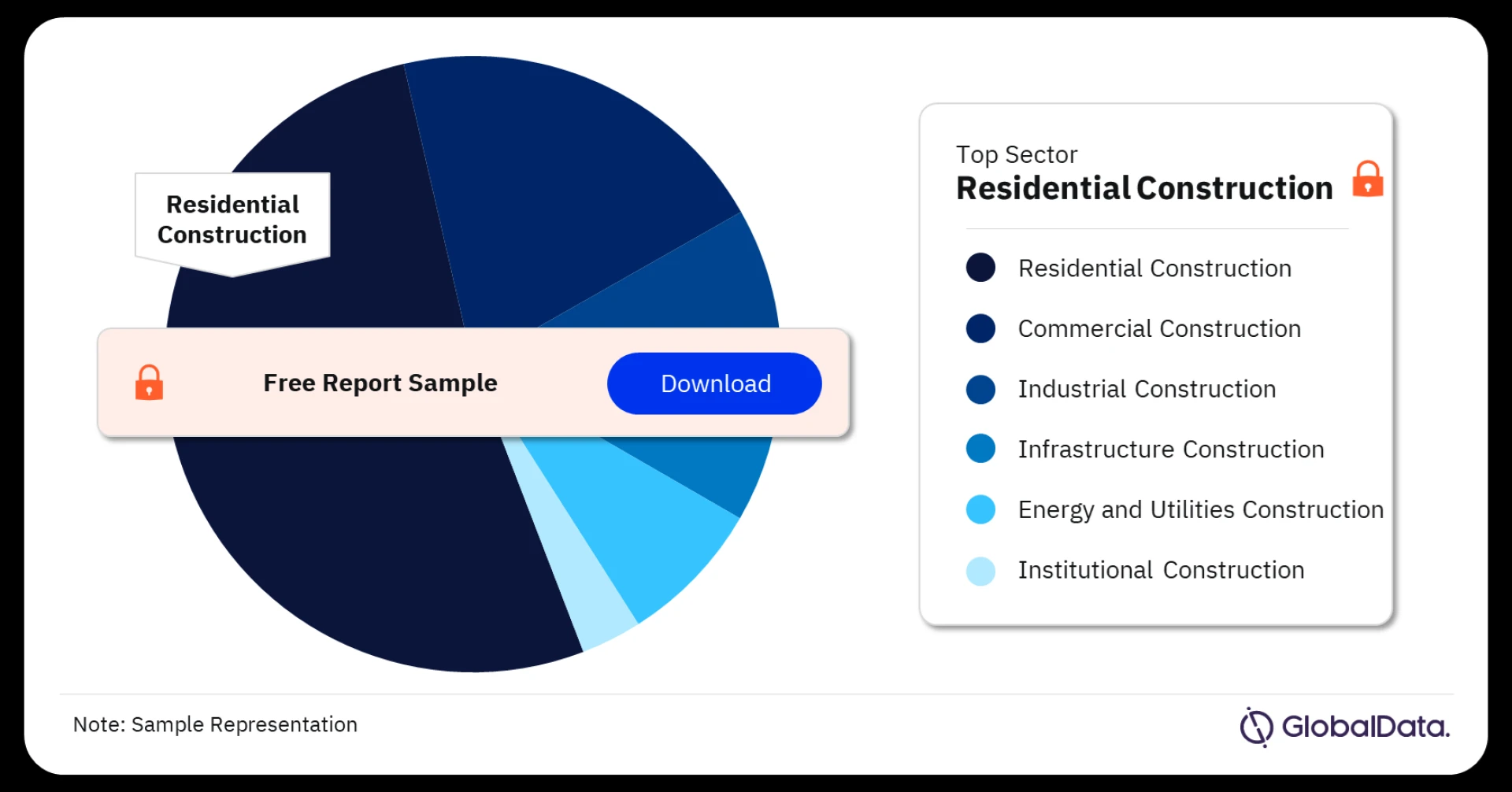
The Swedish construction market is segmented into various sectors, each with its own characteristics and growth potential. Here’s a closer look at some key areas:
- Residential: Traditionally a strong sector, residential construction is currently experiencing a slowdown due to rising interest rates. This has dampened demand for new housing projects, leading to a projected decline in 2024.
- Commercial: While residential construction faces headwinds, the commercial sector might offer some stability. Demand for office spaces and commercial buildings could be influenced by evolving work models and Sweden’s economic performance.
- Infrastructure: This sector presents a promising outlook. The government’s approval of a national transport infrastructure plan in 2022, outlining investments until 2033, is expected to provide a significant boost to civil engineering companies. This focus on infrastructure development aligns with the broader European push for sustainable and efficient transportation networks.
- Institutional: Public buildings like schools, hospitals, and government facilities are a crucial component of Swedish infrastructure. Government spending on these areas, along with potential private investments in healthcare facilities, could influence the growth of this sector.
Dominant Players and Competitive Landscape
Sweden boasts a robust construction industry with a strong domestic presence. Major players include Skanska AB, Peab AB, NCC AB, and JM AB. Notably, Skanska stands out as a global leader, with a significant portion of its business conducted internationally. These companies possess extensive experience and expertise across various construction segments.
However, the market also welcomes international participants, fostering competition and innovation. Collaboration between domestic and foreign firms is on the rise, leveraging the strengths of each to deliver complex projects.
Emerging Trends and the Future
The Swedish construction market is not immune to global trends. Here are some key factors shaping its future:
- Sustainability: Sweden is a frontrunner in sustainability initiatives, and this focus is reflected in its construction sector. There’s a growing demand for eco-friendly materials, energy-efficient buildings, and innovative solutions that minimize the environmental impact of construction projects.
- Digitalization: The construction industry is embracing digital tools like Building Information Modeling (BIM) and digital twins. These technologies enhance collaboration, improve project efficiency, and facilitate better informed decision-making.
- Prefabrication: Prefabrication, where building components are manufactured off-site and assembled on-site, is gaining traction. This approach offers benefits such as improved quality control, reduced construction time, and minimized waste generation.
- Skilled Labor Shortage: The construction industry faces a growing challenge in attracting and retaining skilled workers. Initiatives to promote careers in construction, coupled with upskilling and reskilling programs, will be crucial to address this gap.
Conclusion
The Swedish construction market, while experiencing a temporary slowdown, remains a significant economic contributor. Its focus on sustainability, digitalization, and innovative practices positions it well for future growth. By addressing challenges like the skilled labor shortage and adapting to evolving market dynamics, the Swedish construction industry can navigate the current shift in landscape and continue to be a pillar of the nation’s economic prosperity.
Buy the Full Report for More Sector Insights into the Sweden Construction Market, Download a Free Report Sample


























Sign in to leave a comment.