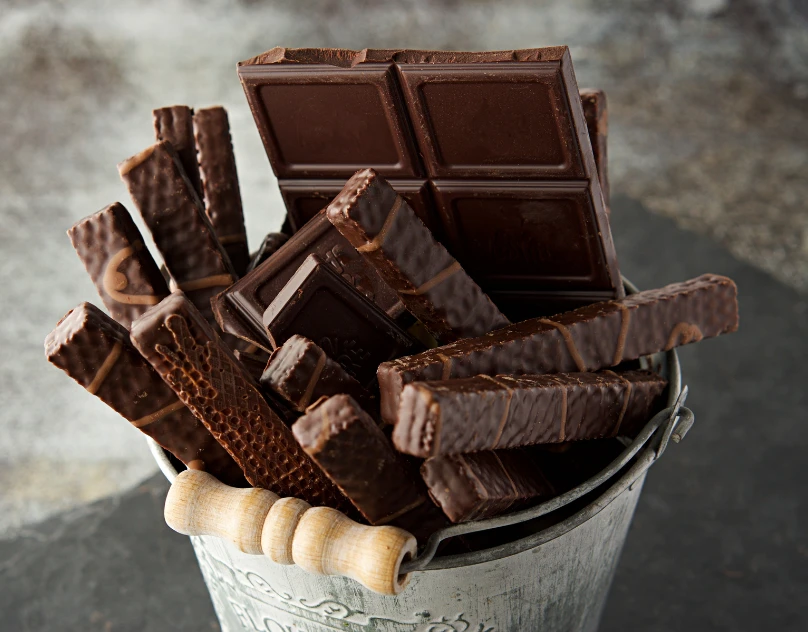

Chocolate—it's more than just a treat; it's a global sensation. Whether it's dark, milk, or white, chocolate has earned its place as one of the most beloved indulgences on the planet. But where did it all begin, and what makes chocolate so irresistible? Let’s take a dive into the sweet, rich history and the diverse world of chocolate.
The History of Chocolate: From the Ancient Civilizations to the Modern Day
Chocolate’s journey begins long before the modern candy bars we know and love today. It all started with the ancient civilizations of Central and South America. The Olmecs, Mayans, and Aztecs were the first to enjoy cacao, the key ingredient in chocolate, which they often consumed as a bitter drink. The Mayans even considered cacao beans a form of currency, and the Aztecs believed the cacao drink was a gift from the gods.
The word "chocolate" itself comes from the Nahuatl (the Aztec language), where "xocolatl" referred to a frothy, bitter drink made from cacao. It wasn’t until the Spanish arrived in the Americas in the 16th century that the practice of adding sugar to cacao was introduced, making it more palatable to European tastes. Over time, chocolate evolved, becoming the sweet, creamy treat we’re familiar with today.
The Art of Chocolate Making: From Bean to Bar
Creating the perfect chocolate involves a meticulous process. It all starts with cacao trees, which produce cacao pods. Inside each pod are cacao beans, which undergo a fermentation process to develop the flavor. After fermentation, the beans are dried, roasted, and then ground into a paste called cocoa mass. This paste is further processed, mixed with sugar, milk, and sometimes vanilla to create the chocolate we eat.
The main types of chocolate are:
- Dark Chocolate: With a high percentage of cocoa solids and cocoa butter, dark chocolate is known for its bold, slightly bitter flavor.
- Milk Chocolate: A creamy and sweet variation, milk chocolate is made with milk powder and has a lower cocoa content than dark chocolate.
- White Chocolate: Technically not “chocolate” because it doesn’t contain cocoa solids, white chocolate is made from cocoa butter, sugar, and milk, resulting in a rich, sweet treat.
Each type of chocolate has its own unique characteristics, but all of them share the same foundational ingredient: the cacao bean.
Read More : What goes with Dark Chocolate
Health Benefits of Chocolate
While it’s no secret that chocolate is a delicious indulgence, it’s also known for its potential health benefits, especially dark chocolate. The high levels of cocoa in dark chocolate are rich in flavonoids, which are antioxidants known to help improve heart health by reducing blood pressure and improving blood flow to the brain and heart. Additionally, dark chocolate has been linked to improved brain function, and consuming it in moderation may even help with stress reduction!
However, it’s important to note that these benefits are mostly associated with high-quality dark chocolate (with at least 70% cocoa), while milk and white chocolates tend to have higher sugar content and fewer health benefits.
The Global Love for Chocolate
Today, chocolate is a universal favorite, consumed in countless forms, from chocolate bars and truffles to hot chocolate and baked goods. Its versatility means it can be used in savory dishes too, such as chili or mole sauce in Mexican cuisine. Many countries have developed their own unique ways of enjoying chocolate, from Swiss chocolate with its creamy texture to Belgian chocolate known for its rich, high-quality craftsmanship.
Fun Facts About Chocolate
- Chocolate can be a mood booster: When you eat chocolate, your brain releases endorphins, the "feel-good" hormones, which can help improve your mood.
- The most expensive chocolate: Some luxury chocolate makers create high-end chocolates with rare ingredients like cocoa from a specific region or gold leaf, making them a true indulgence.
- Chocolate is a gift of love: From Valentine’s Day to anniversaries, chocolate has been a symbol of love and affection for centuries.
Conclusion: The Sweet Enduring Legacy of Chocolate
Chocolate has transcended cultures, histories, and generations, evolving from an ancient bitter drink into a global sweet sensation. Whether you prefer it in its purest dark form or the creamy comfort of milk chocolate, there’s no denying the magic it holds. So, next time you unwrap a bar of chocolate, take a moment to appreciate its journey—from the jungles of the Amazon to the local chocolate shop—and savor every delicious bite. After all, life is better with a little chocolate!










Sign in to leave a comment.