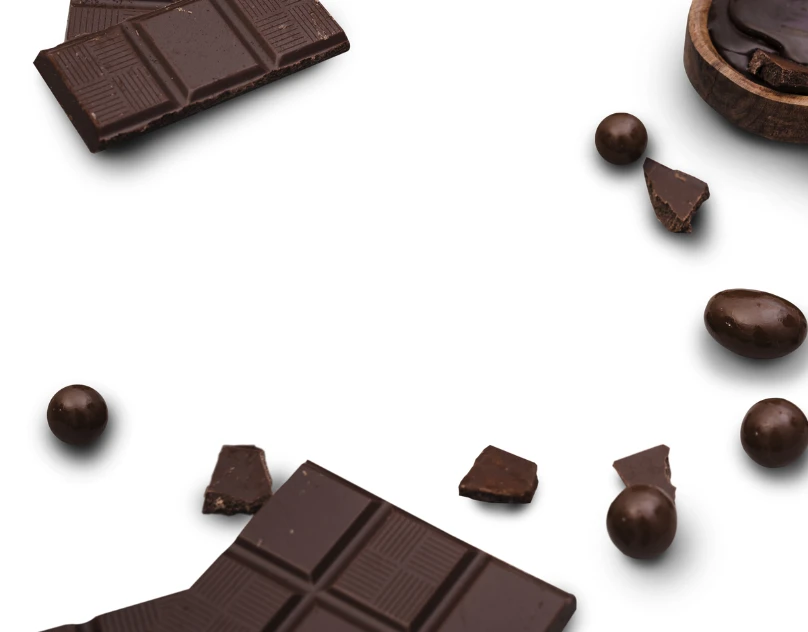

Chocolate. Just the word itself is enough to conjure images of rich, creamy, melt-in-your-mouth goodness. For centuries, this beloved treat has been a symbol of pleasure, indulgence, and celebration. But what is it about chocolate that makes it so universally adored? Let's dive into the world of chocolate and explore its history, varieties, and why it continues to be one of the most cherished foods worldwide.
A Brief History of Chocolate
The story of chocolate begins over 3,000 years ago in the ancient civilizations of Mesoamerica. The Mayans and Aztecs were among the first to cultivate cacao trees and use the beans to make a bitter, frothy drink that was often spiced with chili and other seasonings. The Aztecs even used cacao beans as currency!
It wasn’t until chocolate reached Europe in the 16th century that it transformed into the sweet treat we know today. Spanish royalty initially enjoyed chocolate in its drink form, sweetened with sugar. As chocolate spread throughout Europe, it underwent further evolution, eventually leading to the creation of solid chocolate in the 19th century. The invention of milk chocolate in Switzerland in the 1870s was a pivotal moment in chocolate’s history, forever changing its taste and texture.
The Different Types of Chocolate
Today, chocolate comes in many forms, and each type offers a unique experience:
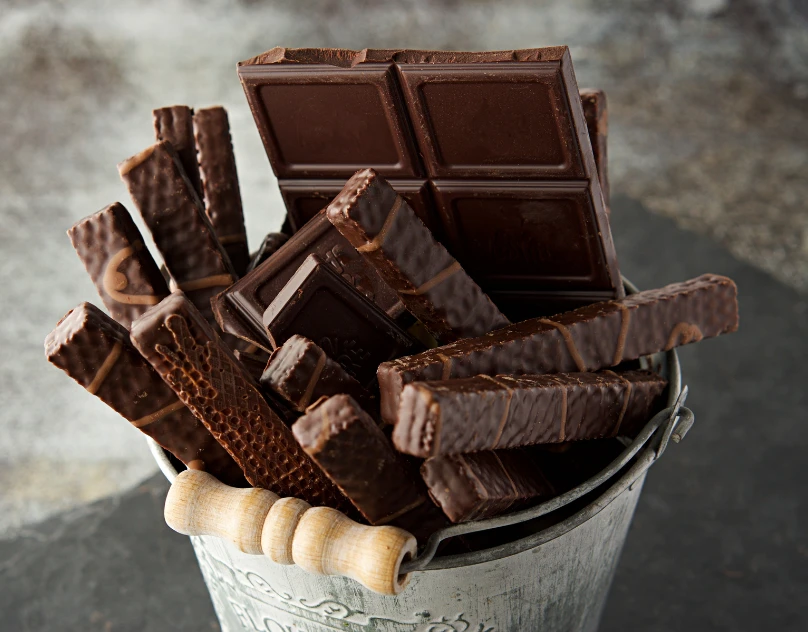
- Dark Chocolate: Made from cocoa solids, cocoa butter, and sugar, dark chocolate has a rich, intense flavor that can range from slightly bitter to wonderfully sweet. It's often favored by those who appreciate its deep, complex taste and is the go-to choice for health-conscious chocolate lovers due to its higher concentration of antioxidants.
- Milk Chocolate: A creamy and sweet variety, milk chocolate contains milk powder or condensed milk, which gives it a smooth texture and a milder flavor compared to dark chocolate. Milk chocolate is often the favorite of children and those who crave a sweeter, more indulgent chocolate experience.
- White Chocolate: Technically not "chocolate" in the traditional sense, white chocolate is made from cocoa butter, sugar, and milk solids, but it contains no cocoa solids. As a result, it has a distinct, sweet flavor that's often used in desserts or paired with fruits.
- Ruby Chocolate: The newest addition to the chocolate family, ruby chocolate is made from specially processed red cocoa beans. Its pinkish-red hue is not artificial and offers a fruity, slightly tart flavor that’s a perfect blend of sweetness and berry-like tang.
- Chocolate with Fillings: From caramel and hazelnut to raspberry and sea salt, filled chocolates take the flavor experience to the next level. These chocolates often combine textures and flavors that complement the smooth, rich chocolate, creating an explosion of tastes in every bite.
Why Do We Love Chocolate?
So, why is chocolate so irresistible? It all boils down to science and the brain’s pleasure receptors. Chocolate contains compounds like theobromine and phenylethylamine, which have mood-boosting effects. These chemicals trigger the release of endorphins, the brain's "feel-good" chemicals, which explains why eating chocolate can bring about feelings of happiness and relaxation.
Moreover, the combination of fat and sugar in chocolate creates an addictive balance that pleases the senses. The smooth, velvety texture of chocolate as it melts in your mouth adds to its sensory appeal. Whether you're enjoying a small square of dark chocolate or a creamy milk chocolate bar, the experience is meant to be savored, providing a moment of calm and pleasure in a busy world.
The Health Benefits of Chocolate
While chocolate is often seen as an indulgence, it actually has some health benefits, especially in its darker forms. Dark chocolate, in particular, is rich in antioxidants, which can help reduce inflammation and protect the heart. Studies have shown that consuming small amounts of dark chocolate may lower the risk of heart disease by improving circulation and reducing blood pressure.
Additionally, chocolate contains magnesium, a mineral important for maintaining proper muscle and nerve function. Plus, the antioxidants in chocolate have been linked to improved brain health, offering cognitive benefits as well.
That being said, it's all about moderation. While chocolate can offer some health benefits, overconsumption of sugary chocolate can lead to unwanted weight gain and other health issues. As with any treat, it’s important to enjoy it in balance.
Chocolate in the Modern World
Today, chocolate has transcended its roots as a mere sweet treat. It’s a key ingredient in gourmet desserts, beverages, and even savory dishes. Chocolate lovers can find everything from luxurious truffles and chocolate mousse to chocolate-covered strawberries and artisan chocolate bars in specialty shops.
Chocolate is also a significant part of holidays and celebrations around the world. From Valentine's Day heart-shaped boxes to Easter chocolate bunnies, it’s a staple in many cultural traditions. It’s no surprise that chocolate has become synonymous with love, comfort, and joy.
Conclusion: A Universal Delight
From its ancient beginnings to its modern-day role as a global indulgence, chocolate’s appeal remains timeless. Whether you prefer the deep bitterness of dark chocolate or the sweet creaminess of milk chocolate, there’s a variety to suit every palate. Beyond its taste, chocolate’s ability to evoke emotions and bring people together is what truly makes it a universal delight.





























Sign in to leave a comment.