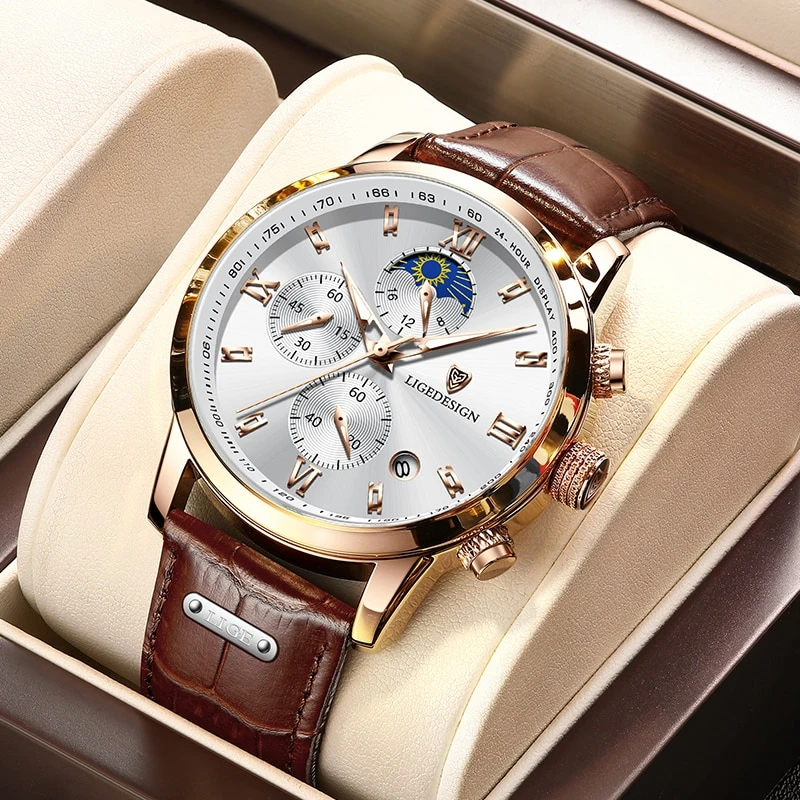

Introduction: A Tale of Two Timepieces
In an age where technology permeates every facet of life, a quiet but profound battle unfolds on our wrists. On one side, the centuries-old legacy of Swiss mechanical mastery; on the other, the cutting-edge innovation of Silicon Valley. This isn't merely a competition between products but a clash of philosophies about what we value in the objects we wear daily.
The Smartwatch Revolution: Beyond Telling Time
Since the debut of modern smartwatches approximately a decade ago, these devices have evolved from novelty gadgets to indispensable lifestyle companions. The future promises even deeper integration:
Health as the New Frontier
Future smartwatches will transcend basic fitness tracking to become comprehensive health monitors. Continuous glucose monitoring, blood pressure tracking, early disease detection through subtle biomarkers, and advanced sleep analysis will transform these devices into personalized health guardians. The line between consumer electronics and medical devices will increasingly blur.
Seamless Ecosystem Integration
Tomorrow's smartwatches will function less as standalone devices and more as the central hub of our digital ecosystems. They'll seamlessly interact with smart homes, vehicles, payment systems, and augmented reality interfaces, reducing friction in our daily interactions.
Material and Design Evolution
As smartwatches mature, we'll see greater emphasis on material quality and design longevity. Brands like Apple with its titanium editions and TAG Heuer with its connected watches have already begun this transition. Future iterations may incorporate traditional watchmaking materials like sapphire crystal and ceramic while maintaining technological sophistication.
The Swiss Counterpoint: Mechanical Poetry in a Digital Age
Amidst the smartwatch explosion, Swiss mechanical watches have experienced a renaissance, particularly among younger consumers. Their future lies not in competing directly with technology but in emphasizing what technology cannot replicate:
The Artisan Imperative
In a world of mass-produced electronics, hand-finished movements, guilloché dials, and intricate complications represent something increasingly rare: human artistry. Swiss watches offer tactile satisfaction and craftsmanship that cannot be digitized.
Emotional and Legacy Value
A mechanical watch often marks significant life moments—graduations, career achievements, family milestones. Unlike technology destined for obsolescence, these timepieces are designed to be heirlooms, telling stories across generations.
The Luxury of Disconnection
Paradoxically, in our hyper-connected age, the mechanical watch offers a form of quiet resistance—a device that tells only time, demands nothing from us, and allows moments of undiluted presence. This "digital detox" aspect has become part of their appeal.
Convergence Zones: Where Traditions Meet Innovation
The future isn't purely binary. Several brands are exploring hybrid territories:
- Frederique Constant's Hybrid watches combine mechanical movements with smart capabilities
- Breitling's emergency watch with embedded distress beacon
- Mondaine's Helvetica Smart blending minimalist design with notification functions
These hybrids acknowledge that some consumers want both the soul of traditional watchmaking and the convenience of connectivity.
Market Realities: Coexistence Rather Than Conquest
Market data reveals a nuanced picture. While smartwatches dominate unit sales, Swiss Rolex Milgaus watches command the majority of revenue in the timepiece sector. The two categories increasingly occupy different spaces in consumers' lives:
- Smartwatches for fitness, connectivity, and daily utility
- Mechanical watches for special occasions, professional settings, and as expression of personal style
Many enthusiasts now practice "watch rotation," wearing different types of watches for different contexts—a practice that supports both markets.
Environmental and Ethical Considerations
Both industries face sustainability challenges. Smartwatch manufacturers grapple with planned obsolescence and e-waste, while Swiss watchmakers confront material sourcing and energy-intensive manufacturing. The future will demand greater transparency and sustainable practices from both sectors, potentially becoming a new arena for competition.
Conclusion: Wrist Real Estate for Different Purposes
The future of wristwear is not a zero-sum game. As technology becomes more intimate and wearable, and as craftsmanship becomes more valued in a digital world, both smartwatches and Swiss watches will continue to evolve in parallel.
The smartwatch represents our future-oriented, connected selves—optimizing, tracking, and interacting. The Swiss watch represents our appreciation for heritage, artistry, and moments of unplugged presence. In an increasingly complex world, perhaps our wrists have room for both—the timely and the timeless, each serving different human needs in an age of technological wonders.
Ultimately, the most valuable space on our wrist may be the one that reminds us not just what time it is, but what kind of time we want to experience.

























Sign in to leave a comment.