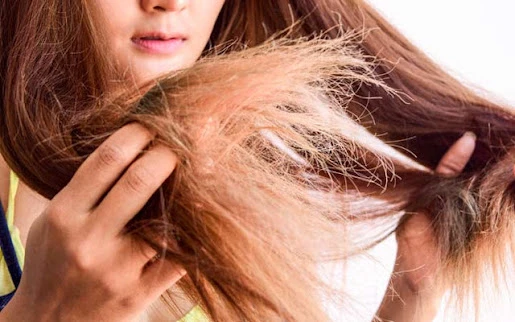

Hair dye is a versatile cosmetic tool that allows people to transform their appearance with a simple color change. It can be a fun way to experiment with different looks or cover up those unwanted gray strands. However, concerns have arisen regarding the potential link between hair dye and hair loss or thinning. Is there any truth to these claims, or are they simply myths? In this article, we will delve into the matter to separate fact from fiction.
Is There a Connection Between Hair Dye and Hair Loss?
The straightforward answer is that hair dye itself is not a direct cause of hair loss. Most commercial hair dyes are formulated to be gentle on both the hair and the scalp. These dyes have undergone rigorous testing to ensure their safety. However, there are several key factors to consider:
1. Allergic Reactions
Some individuals may experience allergic reactions to the chemicals found in hair dye. While these reactions often manifest as scalp irritation, redness, or itching, in rare cases, they can lead to hair loss. These instances are relatively uncommon, but they do happen.
2. Chemical Damage
The excessive and improper use of hair dye can lead to hair damage. Overprocessing the hair, which occurs when you dye your hair too frequently or use dyes that are too strong, can result in weakened hair strands that may break or appear thinner. This is more a result of excessive chemical exposure rather than the hair dye itself.
3. Underlying Scalp Conditions
If you already have a pre-existing scalp condition, such as alopecia areata or male pattern baldness, using hair dye may exacerbate these issues. It's essential to be aware of your scalp's health and any potential underlying conditions before applying hair dye.
Reducing the Risk: Tips for Safe Hair Dye Use
To safely use hair dye without causing hair loss or thinning, consider these precautions:
1. Patch Test
Always perform a patch test before applying hair dye to your scalp. A patch test involves applying a small amount of the dye to a discrete area of your skin, typically behind your ear or on your inner arm. This simple step can help identify any allergies or adverse reactions to the product.
2. Follow Instructions
Carefully follow the manufacturer's instructions, including recommended processing times and safety guidelines. This ensures that you are using the product as intended.
3. Avoid Frequent Dyeing
Give your hair time to recover between dyeing sessions. Frequent and back-to-back dyeing can increase the risk of damage. It's crucial to maintain a balance and allow your hair to recuperate.
4. Use Professional Products
Consider using professional-grade hair dyes or high-quality consumer products. These are often formulated with less harsh chemicals than some budget-friendly options and tend to provide better results while minimizing potential damage.
5. Consult a Professional
If you have concerns or specific hair issues, it's a good idea to consult a professional stylist or colorist. They can provide expert guidance and recommend the best course of action, taking your unique hair and scalp health into account.
Solutions:
While taking the above precautions can significantly reduce the risk of hair loss or thinning, there are alternative hair coloring methods that you can explore:
1. Natural Hair Coloring Shampoo
Natural hair coloring shampoo are a gentler option for those who want to change their hair color without the commitment and potential risks of traditional hair dyes. These shampoos contain natural ingredients like henna or herbal extracts, which can impart color while nourishing your hair.
2. Shampoo for Black Hair Color
If your primary concern is achieving a black hair color, specialized shampoo for black hair color can be a convenient solution. These shampoos are designed to maintain or enhance black hair color, making it an excellent choice for individuals with darker hair tones.
3. Organic Hair Color
Organic hair color products are formulated with natural, plant-based ingredients and are typically free from harsh chemicals. They offer a safer alternative for those who prefer a more natural approach to hair coloring.
In summary,
while there is a potential for hair dye to cause issues like hair loss or thinning, these occurrences are typically rare and are often related to misuse, allergies, or underlying conditions. By taking precautions and using hair dye responsibly, you can enjoy a new hair color without compromising the health of your hair.
This article aimed to address the concerns and myths surrounding hair dye and its potential link to hair loss. Understanding the facts and taking proper precautions can help you confidently enjoy the transformative benefits of a new hair color without compromising your hair's overall health. Remember, hair dye is a tool for self-expression, and with the right approach, it can enhance your appearance without causing harm.


























Sign in to leave a comment.