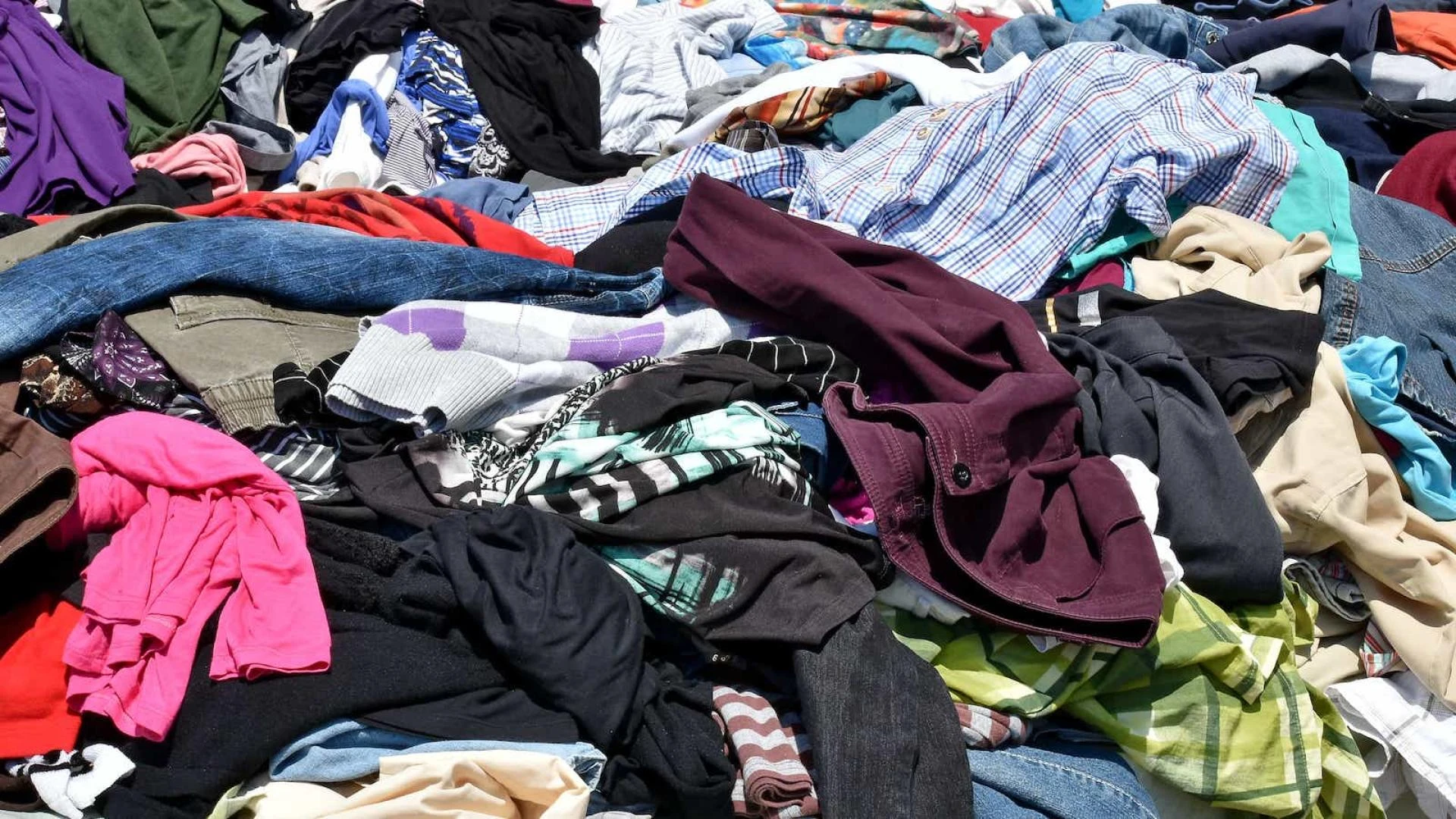

As the world becomes more environmentally conscious, finding sustainable ways to manage our belongings is increasingly important. Clothing, in particular, contributes significantly to landfill waste. If you're wondering what to do with old clothes, this ultimate guide will provide you with eco-friendly options, from recycling and donating to creative repurposing.
Recycling: Transforming Old Clothes into New Possibilities
One of the most effective ways to keep your old clothes out of the landfill is through recycling. Textile recycling programs are designed to break down fabrics and repurpose them into new materials, such as insulation, carpet padding, or even new clothing.
Finding Recycling ProgramsMany cities offer textile recycling services, often in partnership with local organizations or recycling centers. To find a program near you, check your city's website or look for dedicated recycling bins in your community. Additionally, some major retailers like H&M and The North Face have in-store recycling programs, where you can drop off your old clothes for recycling and sometimes even receive a discount on your next purchase.Preparing Clothes for Recycling
Before recycling, make sure your clothes are clean and dry. Remove any non-fabric parts, such as buttons, zippers, and tags, as these can interfere with the recycling process. While some programs accept all types of textiles, others may have specific requirements, so it’s always a good idea to check beforehand.
Donating: Giving Old Clothes a Second Life
Donating your old clothes is another excellent way to ensure they don’t end up in a landfill. Many charitable organizations rely on clothing donations to support their missions, whether through direct distribution to those in need or by selling the items to fund their programs.
Where to DonateNumerous organizations accept clothing donations, including Goodwill, The Salvation Army, and local shelters. Some charities specialize in specific types of clothing, such as business attire for job seekers or warm coats for the homeless. Research local organizations to find one that aligns with your values and meets the needs of your community.How to Donate
When donating, make sure your clothes are in good condition—clean, free of stains, and without major damage. Fold or neatly pack them in bags or boxes to make it easier for the organization to sort and distribute. Many organizations also offer convenient drop-off locations or even pick-up services.
Selling and Swapping: Refreshing Your Wardrobe Sustainably
If your old clothes are still in good shape but no longer suit your style, consider selling or swapping them. This not only keeps clothes out of landfills but also provides a sustainable way to refresh your wardrobe.
Selling OnlineOnline platforms like Poshmark, eBay, and Depop make it easy to sell your gently used clothes. Create appealing listings with clear photos and detailed descriptions to attract potential buyers. Be honest about the condition of each item and price them fairly to increase your chances of making a sale.Hosting a Clothing Swap
Clothing swaps are a fun and eco-friendly way to trade your unwanted clothes for new-to-you items. Gather a group of friends or join a local swap event where participants bring clothes they no longer want and exchange them with others. Not only do you get to refresh your wardrobe without spending money, but you also contribute to reducing textile waste.
Upcycling: Unleashing Your Creativity
Upcycling is the process of transforming old clothes into new, functional items. This approach allows you to exercise your creativity while reducing waste.
DIY ProjectsThere are countless DIY projects that involve upcycling old clothes. Turn an old t-shirt into a reusable tote bag, make a quilt from worn-out jeans, or create decorative pillows from old sweaters. The possibilities are endless and can add a personal touch to your home or wardrobe.Learning New Skills
If you’re new to upcycling, there are plenty of resources available to help you get started. Online tutorials, classes, and workshops can teach you sewing, knitting, and other skills needed to upcycle your old clothes. Not only will you create unique items, but you’ll also gain valuable skills that can help you live more sustainably.
Conclusion
Knowing what to do with old clothes is crucial for minimizing environmental impact and promoting sustainability. Whether you choose to recycle, donate, sell, swap, or upcycle, each method provides a responsible way to manage your unwanted textiles. By taking these steps, you contribute to a healthier planet and pave the way for a more sustainable future.
























Sign in to leave a comment.