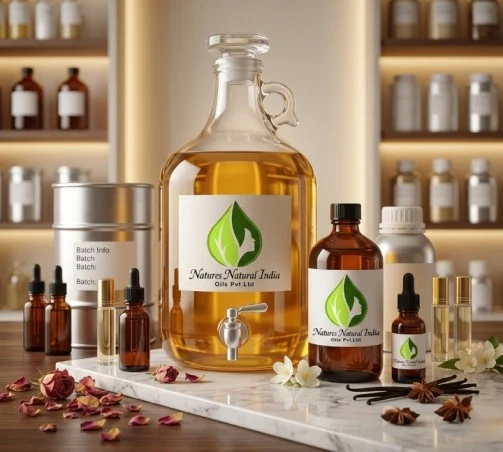

What Are Perfume Oils?
Perfume oils are concentrated aromatic liquids crafted from natural extracts, synthetic compounds, or a blend of both. Unlike traditional sprays, these oils are typically alcohol-free, making them more skin-friendly and long-lasting. If you’ve ever wondered why some fragrances linger all day while others fade quickly, the answer often lies in the oil concentration. Higher oil content means better longevity and a richer scent profile.
In recent years, bulk perfume oils have become a cornerstone of the fragrance industry, especially for businesses looking to scale operations. These oils are sold in large quantities, often starting from as little as 100 grams and extending to several kilograms, catering to manufacturers, retailers, and private-label brands.
What makes them particularly attractive is their versatility. Whether you're creating a luxury perfume line, scented candles, or even skincare products, perfume oils serve as the base ingredient. Think of them as the “soul” of any fragrance product—everything else is just the packaging.
Difference Between Perfume Oils and Alcohol-Based Perfumes
The primary difference lies in formulation and performance. Traditional perfumes use alcohol as a carrier, which helps disperse the scent quickly but also causes it to evaporate faster. Perfume oils, on the other hand, are more concentrated and adhere closely to the skin, releasing fragrance gradually over time.
This difference isn’t just technical—it directly impacts user experience. Oil-based fragrances are often perceived as more intimate and personal, while alcohol-based perfumes tend to project more strongly but for shorter durations. In markets like India and the Middle East, oil-based fragrances such as attars have been used for centuries, emphasizing their cultural and practical relevance.
From a business perspective, perfume oils are also more economical in the long run. Since they are concentrated, smaller quantities are needed per product, making them ideal for bulk purchasing and manufacturing.
Why Bulk Perfume Oils Are in High Demand
Growing Personal Care Industry
The surge in personal grooming and hygiene awareness has significantly boosted the demand for fragrance products. Consumers today are not just buying perfumes; they’re investing in experiences—how they smell, how they feel, and how they are perceived.
According to recent data, the fragrance oil market is expected to grow from USD 4.2 billion in 2024 to USD 6.8 billion by 2034, reflecting a steady rise in global demand. This growth is largely fueled by expanding applications in cosmetics, skincare, and even household products.
What’s interesting is how this demand trickles down to bulk suppliers. As more brands enter the market, the need for reliable sources of high-quality oils increases. This creates a ripple effect, making bulk purchasing not just an option but a necessity for businesses aiming to stay competitive.
Rise of Natural and Organic Fragrances
Consumers are becoming increasingly conscious of what goes into the products they use. This shift has led to a growing preference for natural, organic, and sustainable fragrance options. The demand for plant-based and ethically sourced oils is no longer a niche—it’s becoming mainstream.
In fact, many manufacturers are now investing heavily in research and development to create innovative blends using natural ingredients. This trend is especially prominent in markets like India, where traditional methods of extracting fragrance oils are being modernized to meet global standards.
So, if you're in the business of fragrances, aligning with this trend isn’t just smart—it’s essential.
Market Trends in the Fragrance Industry
Global Market Growth Statistics
The fragrance industry is evolving at a rapid pace, driven by innovation and changing consumer preferences. The global fragrance oil market continues to expand, supported by increasing demand across multiple sectors including personal care, home care, and industrial applications.
Additionally, the essential oils market is projected to reach USD 56.25 billion by 2033, growing at a CAGR of 9%. This indicates a broader trend toward natural fragrance components, further boosting the demand for bulk oils.
Emerging Consumer Preferences
Modern consumers are no longer satisfied with generic scents. They crave uniqueness, personalization, and authenticity. This has led to the rise of niche and artisanal fragrances, where small batches and custom blends are highly valued.
Another key trend is the integration of fragrances into wellness routines. From aromatherapy to mood-enhancing scents, consumers are looking for products that offer more than just a pleasant smell.
This shift opens up new opportunities for businesses to innovate and differentiate themselves in a crowded market.
Benefits of Buying in Bulk
Cost Efficiency and Profit Margins
One of the biggest advantages of purchasing perfume oils in bulk is cost savings. When you buy in larger quantities, the price per unit drops significantly, allowing businesses to maintain healthy profit margins.
For example, high-quality fragrance oils can range from $5 to $15 per ounce, but bulk purchasing can reduce this cost considerably. This pricing advantage is crucial for startups and small businesses looking to scale without breaking the bank.
It’s like buying groceries in bulk—you spend more upfront but save more in the long run.
Consistent Supply for Businesses
Imagine running a perfume brand and suddenly running out of your best-selling scent. Not a great situation, right? Bulk purchasing ensures a steady supply of raw materials, helping businesses maintain consistency in production.
Consistency is key in the fragrance industry. Customers expect the same scent every time they buy a product. Bulk sourcing helps achieve this by providing uniform quality across batches.
Applications of Perfume Oils
Personal Care Products
Perfume oils are widely used in a variety of personal care products, including perfumes, lotions, shampoos, and deodorants. Their versatility makes them an essential ingredient in the cosmetics industry.
As consumer demand for high-quality, long-lasting fragrances grows, manufacturers are increasingly relying on bulk oils to meet production needs.
Home Fragrance and Industrial Use
Beyond personal care, perfume oils are also used in candles, air fresheners, and cleaning products. The rise of home fragrance trends has further expanded their applications, making them a valuable asset for multiple industries.
Choosing the Right Supplier
Quality Standards and Certifications
When sourcing perfume oils, quality should be your top priority. Look for suppliers that comply with international standards such as IFRA guidelines. This ensures that the oils are safe for use and meet global quality benchmarks.
MOQ and Pricing Considerations
Minimum order quantities (MOQs) can vary significantly between suppliers. Some offer flexible options starting from small quantities, while others require larger commitments. Choosing the right supplier depends on your business scale and budget.
Types of Perfume Oils Available
Natural vs Synthetic Oils
Natural oils are derived from plant sources and are often preferred for their authenticity and therapeutic benefits. Synthetic oils, on the other hand, offer consistency and affordability.
Both have their advantages, and the choice depends on your target market and product positioning.
Custom Blends and Signature Scents
Custom blends allow brands to create unique fragrances that stand out in the market. This is particularly important in a competitive industry where differentiation is key.
Business Opportunities in the Perfume Oil Industry
Starting a Perfume Brand
The low entry barrier and high demand make the perfume oil industry an attractive option for entrepreneurs. With the right strategy and quality products, it’s possible to build a successful brand from scratch.
Export and Wholesale Opportunities
India has emerged as a global hub for fragrance production, offering immense opportunities for export and wholesale businesses. The growing international demand further strengthens this potential.
Challenges in the Industry
Raw Material Price Fluctuations
One of the biggest challenges is the volatility in raw material prices. Factors like climate change and supply chain disruptions can significantly impact costs.
Regulatory Compliance
Strict regulations and compliance requirements can also pose challenges for manufacturers, especially those operating in multiple markets.
Future of Bulk Perfume Oils Market
Sustainability and Innovation
Sustainability is no longer optional—it’s a necessity. Brands are increasingly adopting eco-friendly practices and investing in sustainable sourcing methods.
Digital Expansion and E-commerce
The rise of e-commerce has made it easier for businesses to reach a global audience. Online platforms are playing a crucial role in the growth of the perfume oil market.
Conclusion
The world of bulk perfume oils is dynamic, evolving, and full of opportunities. From cost efficiency to endless customization possibilities, these oils form the backbone of the modern fragrance industry. As consumer preferences shift toward natural, sustainable, and personalized products, businesses that adapt quickly will thrive.
Whether you’re a startup looking to enter the market or an established brand aiming to scale, understanding the nuances of bulk perfume oils can give you a significant competitive edge.



























Sign in to leave a comment.