
When it comes to enjoying your favourite tunes, nothing beats the thrill of a well-designed car audio system. Whether you're on a long road trip, stuck in traffic, or just cruising around, having high-quality sound can transform the entire experience. But with so many options available, choosing the perfect car audio system can be overwhelming. In this ultimate guide, we’ll break down everything you need to know to pick the ideal system for your car, ensuring you get the best sound quality, functionality, and value for your money.
1. Know Your Priorities
The first thing to consider is what’s most important to you. Car audio systems vary greatly depending on your preferences for sound quality, bass, ease of use, and additional features. Here are some common priorities to help guide your decision:
- Sound Quality: If you value crystal-clear sound and precision, focus on high-quality speakers, amplifiers, and an advanced head unit.
- Bass: If you love deep, rumbling bass, you’ll need to include a good subwoofer in your setup.
- Convenience: Features like Bluetooth connectivity, voice control, and smartphone integration might be key if you want a modern, user-friendly experience.
- Customization: Some people prefer a customizable sound system where they can tweak every detail, while others just want plug-and-play solutions.
2. Determine Your Sound Preferences
Before diving into specific components, think about what kind of sound experience you want. Are you a bass enthusiast, or do you prefer crisp highs and clear vocals? Different audio systems cater to different preferences:
- Bass Lovers: If you enjoy feeling the rumble of deep bass, look for a system with a high-quality subwoofer. A powerful subwoofer will provide the low-end thump and deep frequencies that elevate your listening experience.
- Balanced Sound: For those who appreciate a more balanced sound with clear midranges and sharp highs, focus on a good set of component speakers (separate woofers, tweeters, and crossovers).
- Crystal Clear Highs: If you enjoy detailed and sharp treble, invest in high-end tweeters. The key is to have speakers that can reproduce high frequencies without distortion.
3. Choose the Right Car Audio Components
The components of a car audio system include the head unit (stereo), speakers, amplifiers, subwoofers, and wiring. Let’s go through each one to help you decide what’s best for your setup.
Head Unit (Stereo)
The head unit is the brain of your audio system. It controls everything from tuning the radio to streaming music from your smartphone. When selecting a head unit, consider the following:
- Size: Most cars support either a single-DIN or double-DIN head unit. Single-DIN is the standard size, while double-DIN units offer more features like touchscreens and advanced controls.
- Features: Look for features like Bluetooth connectivity, Apple CarPlay, Android Auto, USB ports, and satellite radio support.
- Display: If you want a more modern experience, go for a touchscreen with high resolution. Some systems even include customizable lighting or a dashboard camera.
Speakers
Speakers are the heart of your car audio system. They convert electrical signals into sound, so their quality is crucial for achieving good audio. There are two main types:
- Coaxial Speakers: These are all-in-one units that combine woofers, tweeters, and sometimes even midrange drivers. They’re usually easier to install and cost less but might not offer the same sound quality as component speakers.
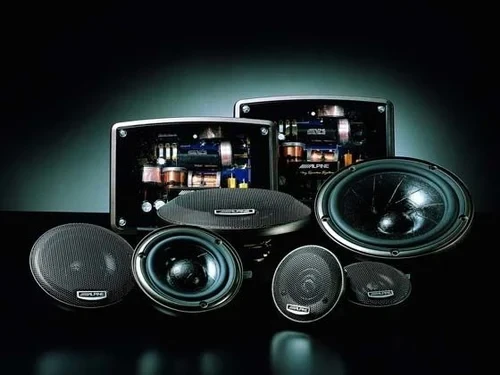
- Component Speakers: These speakers have separate woofers, tweeters, and crossovers, allowing for more precise sound reproduction. They tend to cost more but are worth it if you want a premium sound experience.
Subwoofers
A subwoofer is a must-have for those who love deep bass. Subwoofers handle low frequencies that regular speakers can’t reproduce, giving you that full, rich sound. There are two types of subwoofers:
- Powered Subwoofers: These come with their own built-in amplifier, making them easier to install. They're compact and work well for smaller cars.
- Non-Powered Subwoofers: These require an external amplifier and tend to offer better sound quality but can be more complicated to install.
Amplifiers
An amplifier boosts the signal from your head unit to drive your speakers and subwoofers. More powerful amplifiers result in louder, cleaner sound without distortion.
- Monoblock Amplifiers: Designed for driving subwoofers, these amplifiers are ideal if you want to add deep bass to your system.
- Multi-Channel Amplifiers: These are designed for powering speakers and can drive both high and low frequencies. They are usually more versatile.
Wiring and Installation Kits
Don't overlook the importance of high-quality wiring. Bad wiring can result in poor sound quality and even damage your equipment. Invest in good speaker wires, power cables, and a wiring kit if you're installing the system yourself.
4. Installation Options: DIY vs. Professional
Once you’ve selected your components, you need to decide whether to install the system yourself or hire a professional.
- DIY Installation: If you're tech-savvy and have the necessary tools, installing the system yourself can save you money. Many car audio systems come with installation instructions, and there are plenty of online resources to help you along the way. However, it can be time-consuming, and improper installation can lead to subpar sound quality.
- Professional Installation: If you’re not comfortable with wiring or setting up components, it’s a good idea to have a professional install the system. Many car audio shops offer installation services, and this can help avoid potential issues down the line.
5. Sound Tuning and Optimization
After installation, it’s time to fine-tune your system. A well-balanced car audio system should be properly tuned to ensure that each component is working together for optimal sound.
- Adjust Equalizer Settings: Most car stereos come with built-in equalizers that allow you to adjust bass, midrange, and treble frequencies. Experiment with these settings to achieve your ideal sound.
- Sound Deadening: To reduce road noise and improve the overall sound quality, consider adding sound-deadening materials to your car doors and floors. This can significantly reduce vibrations and make your audio experience more immersive.
- Professional Tuning: Some audiophiles choose to have their system professionally tuned to ensure that every speaker and subwoofer is firing optimally. This can involve adjusting crossover settings, levels, and more.
6. Top Brands to Consider
Here are some of the most reputable car audio brands to consider when choosing your system:
- Pioneer: Known for high-quality head units, speakers, and amplifiers with great user interfaces.
- JL Audio: Renowned for their powerful subwoofers and amplifiers, JL Audio delivers excellent bass performance.
- Alpine: Famous for producing high-end speakers and head units with clear, crisp sound.
- Kenwood: Offers a wide range of audio products, from budget-friendly to high-performance gear.
- Rockford Fosgate: A popular choice for people who love deep bass and clear sound.
7. Final Considerations
Once you've selected your components and made the purchase, remember that the perfect car audio system is one that fits your unique needs and listening preferences. Don’t forget to:
- Consider Vehicle Size: The size of your car can impact the type of system you need. Smaller cars might require less powerful equipment, while larger vehicles may benefit from more substantial setups.
- Think About Future Upgrades: If you’re not ready to go all-in on a high-end system, choose components that can be easily upgraded later as your budget allows.
With the right components and some thoughtful tuning, you’ll be able to enjoy an unbeatable sound experience that makes every drive a pleasure.




























Sign in to leave a comment.