

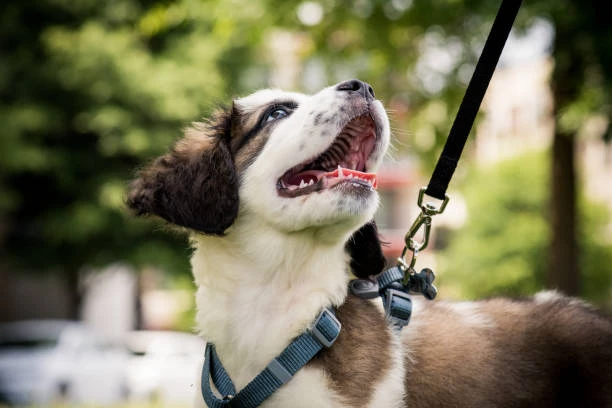
Dog harnesses have become a staple for responsible pet owners, offering a safer and more comfortable alternative to traditional collars. Whether you’re taking your pup for a stroll in the park or training them to walk on a leash, a harness provides better control, reduces strain on your dog’s neck, and enhances overall safety. In this comprehensive guide, we’ll cover everything you need to know about dog harnesses, from their benefits to choosing the right one.
Why Choose a Dog Harness?
Harnesses are more than just accessories—they're practical tools that can improve your dog's walking experience and prevent health issues.
Reduced Pressure on the Neck
Unlike collars, which can put intense pressure on a dog’s neck and throat, harnesses distribute the force evenly across the chest and shoulders. This is especially important for dogs with respiratory issues, such as Pugs or Bulldogs, and for those prone to tracheal collapse.
Better Control for Training
Harnesses give pet owners better control, especially with strong or excitable dogs. Many harnesses come with front-clip options, which help discourage pulling behavior by redirecting your dog’s movement when they try to surge ahead.
Safety and Security
For escape artists or small dogs that can easily slip out of collars, a well-fitted harness offers a more secure way to keep them safe on walks. Reflective straps and padding also enhance visibility and comfort, especially for nighttime walks.
Types of Dog Harnesses
Choosing the right type of harness depends on your dog’s size, breed, temperament, and specific needs.
1. Back-Clip Harness
These harnesses have a D-ring on the dog’s back. They’re great for calm dogs who don’t pull and are ideal for casual walks. However, they’re not as effective for dogs in training or those prone to pulling.
Pros:
- Easy to put on
- Comfortable for most dogs
- Great for small or older dogs
Cons:
- Offers less control
- Can encourage pulling in strong dogs
2. Front-Clip Harness
With the leash attachment on the chest, front-clip harnesses are perfect for training. They help steer your dog gently back toward you when they pull.
Pros:
- Ideal for leash training
- Reduces pulling
- Better directional control
Cons:
- Can tangle under the dog’s front legs
- May require adjustment for comfort
3. Dual-Clip Harness
This versatile option includes both front and back clips, giving pet owners flexibility depending on the walking environment or training stage.
Pros:
- Offers maximum control
- Useful for training and everyday use
- Can be paired with double-ended leashes
Cons:
- More expensive
- Slightly more complex to fit
4. Step-In Harness
Designed to be easy to put on, step-in harnesses are great for squirmy dogs or owners who struggle with over-the-head models. Your dog simply steps into the harness, and you fasten it on the back.
Pros:
- Quick to use
- Less intrusive for sensitive dogs
Cons:
- Not ideal for strong pullers
- Requires precise sizing
How to Choose the Right Harness
Choosing the right harness involves more than just color or design. Comfort, durability, and fit are essential factors.
Measure Your Dog
Before purchasing, use a soft measuring tape to measure your dog’s chest girth (just behind the front legs) and neck. Match the measurements with the brand’s size chart to ensure a snug fit—not too tight and not too loose.
Consider Your Dog’s Needs
- Puppies: Need adjustable harnesses that can grow with them.
- Large breeds: Look for padded and reinforced harnesses for strength and comfort.
- Small breeds: Choose lightweight, non-restrictive harnesses.
Material and Quality
A high-quality harness is made of durable nylon, polyester, or breathable mesh. Look for padded areas to prevent chafing and reflective elements for nighttime safety.
Harness Training Tips
A harness can be a game-changer, but it’s most effective when used properly.
Start Slowly
Allow your dog to sniff and get comfortable with the harness before putting it on. Use treats and positive reinforcement to create a positive association.
Ensure Proper Fit
Once the harness is on, check that it’s snug but not tight. You should be able to fit two fingers between the harness and your dog’s body.
Practice Indoors
Start with short sessions inside the house to get your dog used to walking with the harness and leash. Then, gradually move outdoors for longer walks.
Common Mistakes to Avoid
Harnesses are easy to use, but many dog owners fall into simple traps that can affect comfort and safety.
Incorrect Sizing
Choosing the wrong size can cause discomfort or allow your dog to escape. Always measure your dog before buying and follow the brand's sizing guide.
Ignoring Wear and Tear
Over time, harnesses can weaken, especially with frequent use. Regularly check for frayed straps, loose stitching, or broken clips.
Using the Wrong Type
Don’t use a basic back-clip harness if your dog is still in training or pulls hard on walks. Choosing the right style makes all the difference in your control and your dog’s behavior.
Final Thoughts
Dog harnesses offer comfort, safety, and control—making walks more enjoyable for both you and your furry companion. With a variety of styles, materials, and features available, there’s a harness for every dog, from eager puppies to calm senior pets. The key is finding the right fit and using it as part of a consistent training routine.
Whether you're upgrading from a collar or choosing your puppy's first walking accessory, investing in a good-quality harness is a decision your dog will thank you for—tail wags and all.






















Sign in to leave a comment.