

The world of healthcare is undergoing a rapid transformation, driven by the relentless advance of technology. Health technology, the application of engineering and information sciences to improve medical care, is fundamentally shifting the way patients, providers, and even entire health systems manage wellness and disease. This comprehensive guide will explore the key areas of health technology, its impact on smarter healthcare, and where the future is headed.
The Evolution of Health Technology
Health technology has its roots in simple devices like thermometers and stethoscopes, but the past two decades have seen an explosion of innovation. The development of electronic health records, wearable devices, and advanced imaging systems now enables healthcare that is more precise, accessible, and efficient. Today, technology intertwines with virtually every aspect of care—from diagnosis and treatment to prevention and patient engagement.
Healthcare continues to evolve from traditional hospital and clinician-centered models to solutions that heavily involve patients and data integration. Many of the recent breakthroughs are powered by cloud computing, big data analytics, artificial intelligence (AI), and the Internet of Things (IoT), creating a smarter, interconnected healthcare environment. To learn more about these innovations and how they're transforming the industry, Explore Our Website.
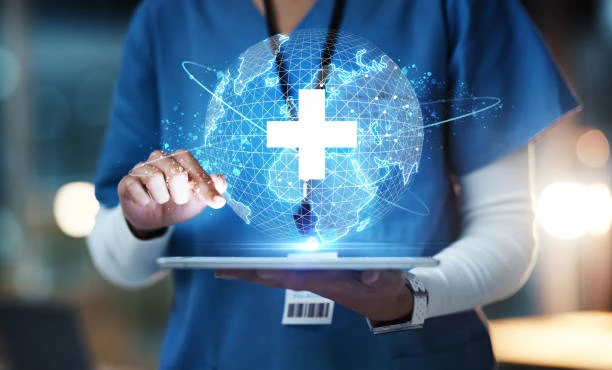
Electronic Health Records: The Backbone of Digital Care
The digitization of patient health records has been one of the most impactful developments in health technology. Electronic Health Records (EHRs) streamline the process of storing, accessing, and sharing patient information across care teams. EHRs enable real-time updates, reduce paperwork, and improve healthcare outcomes by minimizing errors and supporting clinical decisions with accurate data.
The transition from paper-based records to EHRs offers a centralized platform that integrates laboratory results, medical imaging, prescriptions, and patient histories. This transition has also opened the door for telemedicine and remote monitoring, further increasing the reach and effectiveness of modern healthcare.
Telemedicine: Healthcare Without Borders
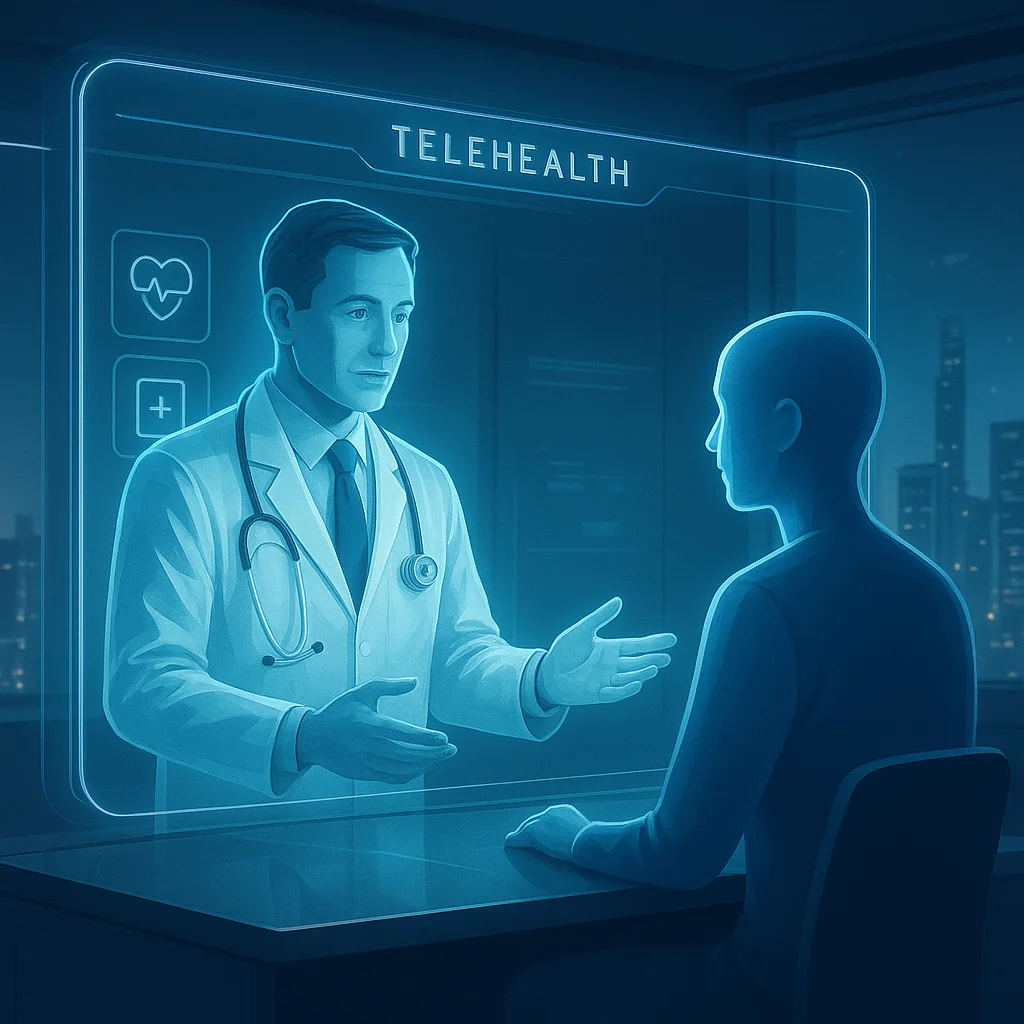
Telemedicine has revolutionized accessibility in healthcare, making it possible for patients to consult with doctors and specialists from the comfort of their homes. Through video appointments, remote monitoring devices, and secure messaging systems, telemedicine bridges the geographic gap between providers and patients.
Especially during the COVID-19 pandemic, telemedicine became a cornerstone of continuity in care. It helps reduce unnecessary hospital visits, provides quicker intervention for chronic disease management, and increases access in underserved or rural communities. With ongoing advancements in video conferencing, secure data sharing, and patient portals, telemedicine is poised to remain a vital component of smarter healthcare.
Artificial Intelligence: Insights Beyond Human Reach
Artificial intelligence is transforming healthcare by delivering analytics and insights that far exceed the capabilities of the human mind. AI algorithms are utilized to interpret imaging scans, predict disease outbreaks, and personalize treatment plans based on vast datasets. In diagnostics, AI can identify subtle patterns in radiology images or pathology slides that might be missed by the human eye, thus improving accuracy and speed.
AI-powered chatbots and virtual health assistants are another application, providing instant responses to patient queries, medication reminders, and lifestyle guidance. As machine learning models continue to refine themselves, AI is expected to streamline workflows, enhance predictive analytics, and ultimately deliver truly personalized healthcare.
Wearable Devices: Empowering Patients in Real Time
Wearable health devices such as smartwatches, fitness trackers, and biosensors are putting health monitoring directly into patients’ hands. These devices track vital stats like heart rate, physical activity, glucose levels, and even blood pressure, providing real-time feedback and valuable data to both patients and clinicians.
Through integrated apps and cloud platforms, data collected by wearables can alert users early to potential health issues, facilitate proactive interventions, and support the long-term management of chronic conditions such as diabetes or hypertension. This continuous, real-time monitoring is making preventive healthcare more practical and effective.
Robotics in Healthcare: Precision and Efficiency
Healthcare robotics have moved from experimental to essential in various clinical settings. Robotic surgical systems assist surgeons in performing complex procedures with greater accuracy, minimized invasiveness, and faster recovery times for patients. Hospital robots are also being used for disinfection, medication delivery, and even remote patient monitoring.
These robotic technologies increase the bandwidth of healthcare staff, optimize operating room efficiency, and reduce the risk of human error. As costs decrease and capabilities expand, robotics are expected to play an even more significant role in diagnostics, rehabilitation, and personalized medicine.
Big Data and Predictive Analytics: Smarter Decisions
The enormous amount of data generated by patients, devices, and health systems offers huge potential for smarter decision-making. Big data analytics leverages this information to identify trends, predict disease outbreaks, optimize treatment protocols, and allocate resources more efficiently.
Predictive analytics helps providers determine which patients are at risk of developing chronic conditions, allowing for preemptive interventions that could save lives and reduce costs. By harnessing the power of big data, healthcare organizations can deliver outcomes that are not just reactive but genuinely proactive and preventive.
Data Security and Patient Privacy in Digital Healthcare
With increased digitization comes the critical need to safeguard patient data against cyber threats. Healthcare records contain sensitive personal information, making them prime targets for hackers. Ensuring robust cybersecurity measures and compliance with regulations such as HIPAA is crucial in maintaining patient trust and protecting healthcare systems from breaches.
Advancements in blockchain, end-to-end encryption, and multi-factor authentication are fortifying digital health platforms. Continued investment in security infrastructure is necessary as more devices and applications enter the healthcare ecosystem, ensuring that smart healthcare remains both effective and secure.
Conclusion
Health technology is undeniably transforming the global healthcare landscape, offering smarter, more efficient, and personalized care. Innovations such as electronic health records, telemedicine, artificial intelligence, wearables, robotics, and big data analytics have elevated the standard of care, improved access, and empowered patients like never before. However, with great advances comes the responsibility to address challenges around data security and system integration. By embracing continuous technological evolution and prioritizing security, the healthcare industry stands to achieve smarter, safer, and more equitable outcomes for all. The future of healthcare is already here, and it is smarter than ever.
































Sign in to leave a comment.