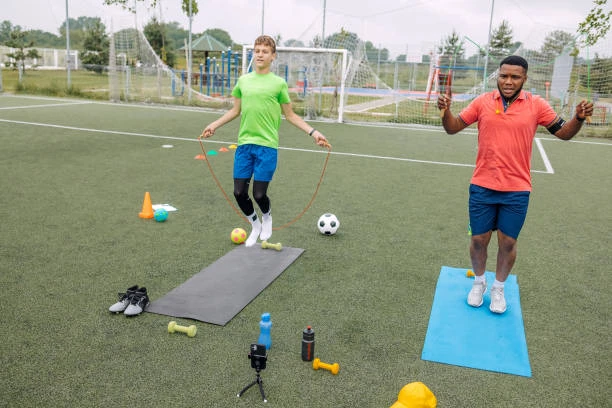

Playing sports regularly is one of the most effective lifestyle choices for strengthening both physical health and mental well-being. Unlike isolated workouts, sports combine movement with purpose, social connection, and skill-building that make people more likely to stay consistent over time. Whether it’s a weekly basketball run, an early-morning swim, a weekend tennis match, or a recreational soccer league, sports engage the body in varied, functional ways while simultaneously sharpening the mind. The advantages go well beyond fitness objectives. Regular participation supports heart health, emotional balance, cognitive performance, resilience, and a stronger sense of community.
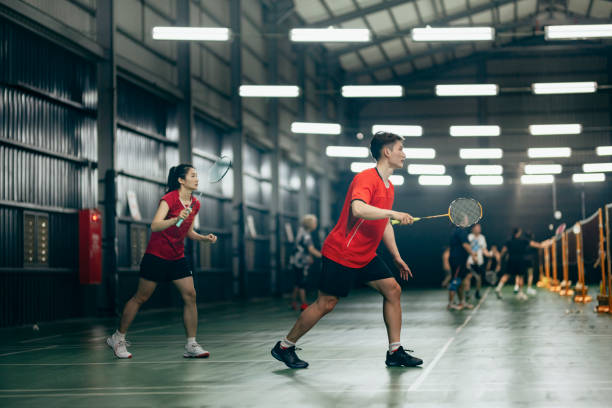
Heart Strength Improves With Consistent Play
Regular sports participation improves cardiovascular conditioning by elevating heart rate in intervals that mimic real-life demands. Over time, the heart becomes more efficient at pumping blood, circulation improves, and the body becomes better at using oxygen, leading to higher stamina and reduced fatigue during daily activities. Many sports naturally blend aerobic and anaerobic efforts, which support endurance as well as the ability to recover quickly between bursts of activity. This combination can contribute to healthier blood pressure levels, improved cholesterol balance, and a lower risk profile for lifestyle-related health concerns.
Metabolism Stays Active Through Sport
Sports can help support sustainable weight management because they burn calories while building lean muscle and improving metabolic efficiency. The repeated movement patterns running, jumping, pivoting, throwing, striking, or swimming engage large muscle groups and increase total energy expenditure. Unlike short, rigid workout sessions, sports tend to keep participants active for longer periods because the focus shifts from working out to playing well, which can reduce mental resistance and improve adherence. This is also where reading more online articles can be useful when someone wants to learn how different sports affect caloric burn, muscle engagement, and recovery needs across ages and fitness levels.
Movement Skills Sharpen Through Game Demands
Sports develop functional strength by training the body to produce force in multiple directions and positions. Coordination improves through repeated practice of timing, balance, and precision, such as catching a ball, landing safely, or shifting weight quickly. Many sports also enhance mobility by encouraging a fuller range of motion, especially in the hips, shoulders, and ankles. As these physical qualities improve, everyday tasks often feel easier, posture becomes more stable, and the body becomes less prone to stiffness from long hours of sitting.
Focus Grows Under Competitive Pressure
Sports are a form of real-time problem-solving. Players constantly scan their environment, anticipate opponents’ actions, and choose a response in seconds. This repeated perceive decide act cycle strengthens attention control, reaction speed, and the ability to switch focus without losing composure. Team sports add a cognitive layer by requiring communication and coordinated planning, while individual sports often demand intense self-monitoring and strategic pacing. Over time, this can translate into better concentration in work or academics, improved mental flexibility, and a stronger ability to stay present under pressure.
Confidence Builds With Sporting Discipline
Confidence builds with sporting discipline because sports practically teach consistency. Skill improves with repetition, preparation matters, and setbacks are part of progress, all of which reflect how passion and dedication in sports shape an athlete’s mindset. This mindset can strengthen patience, self-control, and the ability to respond constructively to failure. For readers who like to compare how different sports build these traits, reading more online articles can provide additional perspectives on training habits, athlete psychology, and sustainable motivation.
Stress Levels Drop Through Participation
Physical activity supports mental health by helping regulate stress chemistry and providing a constructive outlet for tension. Sports add emotional benefits through enjoyment, shared experience, and goal pursuit. The rhythm of practice and competition can create structure during stressful periods, while the sense of progress supports confidence and mood stability. Many people also find that sports help them process emotions more effectively because movement reduces mental rumination and encourages a reset after challenging days. The social element matters too.
Sleep Restores Faster With Regular Activity
Regular sports participation often improves sleep depth and consistency by aligning the body’s energy cycles with healthy fatigue and recovery needs, highlighting the broader physical activity and sleep health connection. When the body is appropriately challenged, it tends to fall asleep more easily and spend more time in restorative stages of sleep. Consistent movement can help regulate circadian rhythms, especially when training occurs at predictable times. Good sleep then reinforces athletic performance, creating a positive feedback loop of better recovery, improved mood, and stronger focus.
Community Bonds Form Through Shared Goals
Sports create shared goals, shared effort, and shared memories, powerful ingredients for human connection. Whether it’s a community league, school team, workplace group, or casual weekend meet-up, regular play fosters trust and familiarity. Teammates learn each other’s strengths, support each other through mistakes, and celebrate improvements together. Even individual sports can build community through clubs, training groups, or friendly rivalries. Over time, this creates a sense of belonging that supports mental resilience and motivation.
Vitality Increases With Active Lifestyles
Regular sports, when balanced with adequate recovery, can support immune health by improving circulation and reducing chronic stress, two factors closely tied to how the body protects itself. Many sports also encourage time spent outside, which can enhance mood and promote a more active daily routine beyond the game itself. This naturally connects to the benefits of outdoor activities for health, especially for those who find fresh air and sunlight motivating enough to stay active year-round. Being vital is more than just staying healthy. It also includes feeling energetic, capable, and physically confident in day-to-day life.

Conclusion
Playing sports regularly offers a uniquely complete approach to health because it trains the body and mind at the same time. It builds cardiovascular fitness, strength, coordination, and mobility while also improving focus, emotional balance, sleep quality, and resilience. Just as importantly, sports create community and reinforce habits that support long-term wellbeing. With consistent participation and smart recovery, sports can become a lifelong foundation for a healthier body, a clearer mind, and a more connected life.

































Sign in to leave a comment.