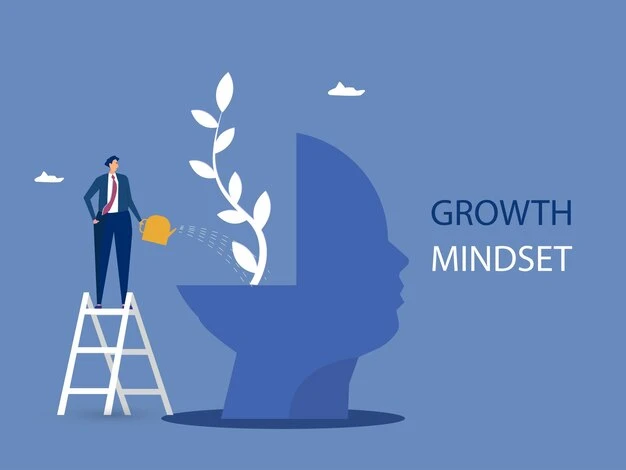

Self-awareness is often described as the foundation of emotional intelligence, but its influence extends far beyond understanding feelings. It shapes how you interpret experiences, make decisions, communicate with others, and pursue goals that genuinely align with your values. In professional and personal contexts alike, self-awareness acts like an internal navigation system: when it’s accurate and consistently used, it helps you move with clarity, resilience, and purpose.
Self-Awareness Shapes Meaningful Success Paths
Self-awareness is the ability to recognize your emotions, motives, strengths, limitations, and behavioral patterns in real time, and to understand how they affect your decisions and relationships. It includes both internal awareness, such as noticing anxiety before a major presentation, and external awareness, such as recognizing how your communication style impacts a team. Over time, this creates a consistent upward trajectory where learning is intentional, and performance improves because you are paying attention to the right signals.

Reflection Turns Experience Into Personal Growth
Reflection creates the space needed to convert experience into learning. Without it, people often repeat patterns, missing opportunities to identify what worked, what didn’t, and why. A simple practice, such as journaling after difficult conversations or noting the conditions of your most productive days, can reveal trends that are easy to overlook in a busy schedule.
When you treat feedback as data rather than judgment, you improve faster and with less defensiveness. This is where recent blog updates can be useful in a broader professional sense: staying current with evolving workplace expectations and leadership practices can give you language and frameworks to interpret feedback more effectively, while still relying on your own reflection to decide what applies.
Values Guide Goals Toward True Success
Many people pursue goals that sound impressive but feel draining once achieved. Self-awareness helps prevent that mismatch by clarifying what you truly value, not what you feel pressured to value. Values influence how you define success, how you prioritize time, and what trade-offs you are willing to accept.
This alignment also reduces burnout risk, since the work feels meaningful. Success built on self-awareness tends to be sustainable because it is rooted in purpose, not constant external validation.
Emotional Control Improves Everyday Decisions
Emotions influence decisions even when we believe we are being purely rational. Self-awareness helps you identify emotional states that distort judgment, such as making rushed choices under stress, avoiding important conversations due to discomfort, or overcommitting because of fear of disappointing others.
This might include pausing before replying to a tense email, asking clarifying questions rather than assuming intent, or taking a short break to regain perspective. Emotional management does not mean suppressing feelings; it means using awareness to prevent emotion from silently driving decisions that you later regret.
Stress Awareness Builds Resilience For Success
Resilience is not just endurance; it is the ability to recover, adapt, and learn. Self-awareness strengthens resilience by helping you identify early signs of stress and the specific conditions that trigger it. That might involve redesigning your schedule, clarifying boundaries, or using structured decompression routines between demanding tasks. In the middle of your workday, small changes can make a meaningful difference, including easy lifestyle improvement tips that help stabilize energy and focus, such as consistent sleep timing, strategic breaks, and intentional hydration.
Strength Awareness Reveals Hidden Blind Spots
Personal growth accelerates when you know what you do well and where you routinely struggle. Strengths awareness allows you to deploy your abilities strategically, choosing roles, projects, and collaboration methods that maximize impact. Blind-spot awareness reduces preventable errors, especially those related to communication habits, time management, or leadership style.
If you notice recurring misunderstandings with colleagues, it may indicate a clarity issue in how you explain expectations. If deadlines frequently feel overwhelming, it may point to planning habits rather than workload alone. Self-awareness transforms these patterns into actionable improvement areas instead of persistent frustrations.
Social Awareness Deepens Trust And Influence
Social awareness deepens trust and influence by shaping how you show up in relationships across leadership, teamwork, networking, and client interactions. Social self-awareness means recognizing how your behavior affects others and adjusting in ways that remain authentic. Building this awareness often starts internally, and many people find that applying healthy self-relationship tips and ideas strengthens how they engage with others in a more grounded and intentional way. When you understand your interpersonal impact, relationships become more resilient. Trust grows because you communicate with intent, listen with focus, and repair misunderstandings faster.
Awareness Drives Focused Skill Development
Self-awareness becomes most powerful when it directly informs learning choices. Instead of chasing generic improvement, you can target the skills that create the biggest returns for your specific goals. In many careers, growth also involves sharpening your ability to work with technology and new workflows, and integrating AI learning for career growth into a focused development plan can be especially valuable when paired with honest insight into your current strengths and gaps.

Progress Tracking Protects Authentic Long-Term Success
Tracking progress is essential, but self-awareness ensures you measure the right outcomes. If you focus only on metrics like titles, revenue, or recognition, you may drift away from what makes you feel engaged and proud of your work. A self-aware approach combines objective measures with personal indicators such as energy levels, quality of relationships, consistency of habits, and alignment with values.
Self-awareness helps you notice that shift early, so you can adjust goals without feeling like you failed. In reality, refining your direction based on a deeper understanding is a sign of maturity and long-term strength.
Conclusion
Self-awareness is not a passive trait; it is an active capability that can be trained and strengthened. It supports personal growth by turning experience into learning, values into direction, and emotions into informed decisions. It supports success by improving leadership, relationships, resilience, and the ability to develop skills that truly matter. That control enables you to adapt with confidence, pursue goals that fit your identity, and build a version of success that is both measurable and meaningful































Sign in to leave a comment.