
In today\'s fast-paced world, the need for efficient, durable, and versatile storage and transportation solutions is paramount. Plastic crates have emerged as a popular choice across various industries due to their numerous advantages. Whether you\'re a logistics company, a retailer, or someone looking to organize your home, plastic crates offer a reliable solution. This guide will delve into the benefits, uses, and types of plastic crates, and explore how they compare to other storage options. We’ll also touch on plastic pallets and their importance in the industry.
What Are Plastic Crates?
Plastic crates are sturdy, lightweight containers made from high-density polyethylene (HDPE) or polypropylene (PP). These materials provide excellent durability and resistance to environmental factors, making plastic crates ideal for various applications. Designed to handle both storage and transportation, plastic crates are widely used in industries such as logistics, agriculture, retail, and more.
Benefits of Using Plastic Crates
Durability and Longevity
One of the primary benefits of plastic crates is their durability. Unlike wooden or cardboard crates, plastic crates can withstand harsh conditions without deteriorating. They are resistant to moisture, chemicals, and physical impact, ensuring a long lifespan even with regular use.
Lightweight and Easy Handling
Plastic crates are significantly lighter than their wooden and metal counterparts. This makes them easier to handle, reducing the physical strain on workers and improving overall efficiency in handling and transportation.
Resistance to Environmental Factors
Plastic crates are impervious to moisture and resistant to most chemicals. This makes them ideal for industries where exposure to various substances is common, such as food processing and pharmaceuticals. They also do not absorb odors, maintaining hygiene standards.
Versatility in Use
Plastic crates come in various shapes and sizes, catering to a wide range of needs. Whether you need a crate for storing small items or transporting large goods, there\'s a plastic crate that fits the bill. They are used in agriculture for transporting fruits and vegetables, in retail for displaying products, and in logistics for moving goods.
Cost-Effectiveness
While the initial cost of plastic crates may be higher than that of cardboard or wooden crates, their durability and long lifespan make them a cost-effective solution in the long run. They require less frequent replacement and lower maintenance costs.
Types of Plastic Crates
Foldable Plastic Crates
Foldable plastic crates are designed for easy storage when not in use. They can be collapsed to save space, making them ideal for businesses with limited storage capacity. These crates are versatile and can be used for various applications, from agriculture to retail.
Stackable Plastic Crates
Stackable plastic crates are designed to be placed one on top of the other without compromising stability. This feature maximizes storage space and ensures efficient use of available area. They are commonly used in warehouses and logistics for organizing and transporting goods.
Vented Plastic Crates
Vented plastic crates have perforations that allow air circulation. These are particularly useful for storing perishable items like fruits and vegetables, as they help maintain freshness by preventing moisture buildup. Vented crates are widely used in the agricultural sector.
Heavy-Duty Plastic Crates
Heavy-duty plastic crates are built to handle substantial weight and rough handling. They are made from thicker, more robust materials and are ideal for industrial applications where strength and durability are critical.
Plastic Crates vs. Other Storage Solutions
Comparison with Wooden Crates
While wooden crates have been used for centuries, they come with several drawbacks. They are heavier, prone to splintering, and can be damaged by moisture. Plastic crates, on the other hand, are lighter, more durable, and resistant to environmental factors. Additionally, plastic crates are easier to clean and maintain.
Comparison with Metal Crates
Metal crates are strong and durable but can be heavy and susceptible to rust. Plastic crates offer a lighter alternative with similar durability and are resistant to corrosion. This makes plastic crates a better option for environments where rust could be a concern.
Common Uses of Plastic Crates
Storage and Organization in Warehouses
Plastic crates are extensively used in warehouses for storing and organizing products. Their stackable design allows for efficient use of space, and their durability ensures they can handle heavy loads and frequent handling.
Transport of Goods in Logistics
In the logistics industry, plastic crates are essential for the safe and efficient transport of goods. Their lightweight nature reduces shipping costs, while their durability protects the contents during transit.
Retail and Display Purposes
Retailers use plastic crates to display products in an organized and visually appealing manner. The crates’ versatility and durability make them suitable for both storage and display purposes.
Home Organization
For individuals looking to organize their homes, plastic crates offer a practical solution. They can be used to store toys, tools, clothing, and other household items, keeping everything tidy and easily accessible.
Understanding Plastic Pallets
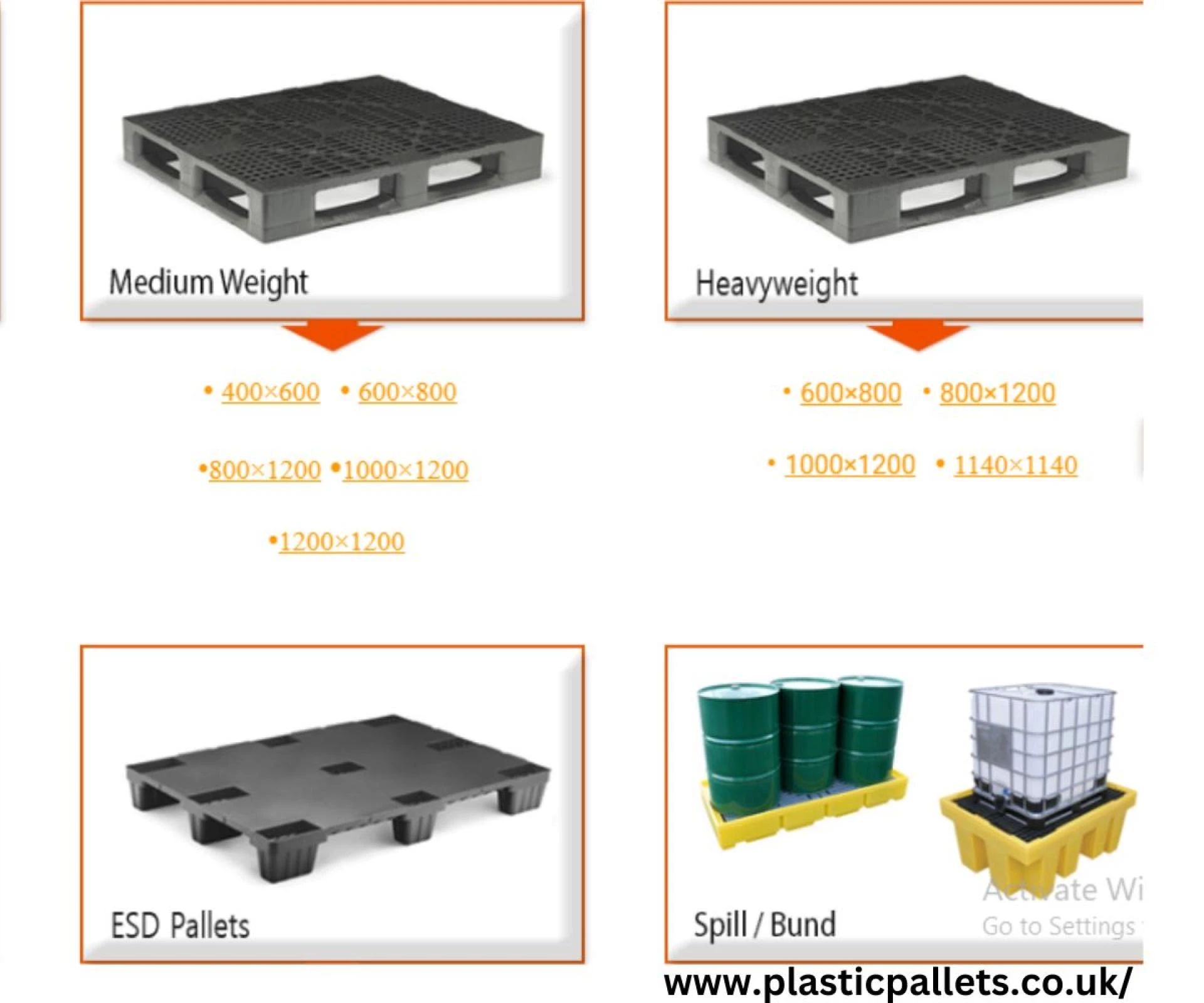
Plastic pallets are flat structures used to support goods during transportation and storage. Made from the same durable materials as plastic crates, they offer several benefits, including resistance to moisture, chemicals, and pests. Plastic pallets are also lighter and easier to handle than wooden pallets.
The Importance of Stackable Plastic Pallets
Stackable plastic pallets are designed to be easily stacked when loaded with goods, maximizing storage space and ensuring stability during transport. They complement the use of plastic crates by providing a stable base, making the movement and storage of goods more efficient.
Choosing the Right Plastic Crate for Your Needs
When selecting a plastic crate, consider factors such as size, weight capacity, and ventilation. Determine the specific requirements of your application and choose a crate that meets those needs. For instance, vented crates are ideal for perishable items, while heavy-duty crates are suitable for industrial use.
Maintenance and Care for Plastic Crates
To ensure the longevity of plastic crates, it’s important to clean and sanitize them regularly. Use mild detergents and avoid harsh chemicals that could damage the plastic. Proper storage is also crucial—keep crates in a cool, dry place away from direct sunlight to prevent warping or discoloration.
Conclusion
Plastic crates offer a versatile, durable, and cost-effective solution for storage and transportation needs across various industries. Their numerous benefits, including durability, ease of handling, and resistance to environmental factors, make them an ideal choice for businesses and individuals alike. By understanding the different types of plastic crates and their uses, you can select the right crate for your specific needs and enhance your storage and logistics operations. Explore the wide range of plastic crates and related products available to find the perfect solution for your requirements.



























Sign in to leave a comment.