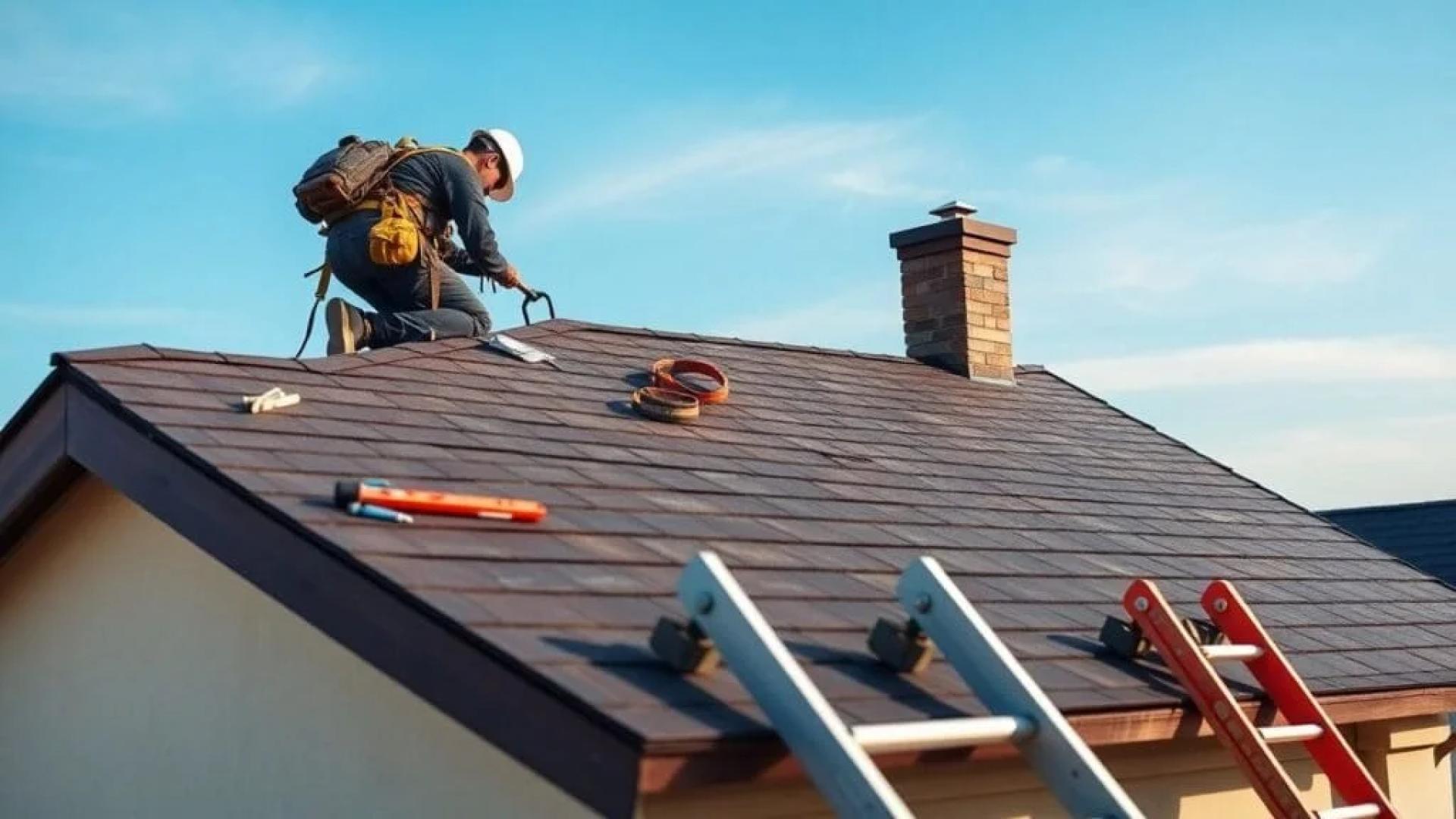

Your roof is one of the most critical components of your home, yet it’s often overlooked—until something goes wrong. Whether it’s a small leak or visible damage after a storm, timely roof repair can save you from costly replacements and serious structural issues. Understanding the basics of roof repair can help you act quickly and make informed decisions.
Why Roof Repair Matters
A well-maintained roof does more than just keep rain out—it protects your home’s structure, improves energy efficiency, and enhances curb appeal. Ignoring minor issues can lead to:
- Water damage and mold growth
- Increased energy bills due to poor insulation
- Structural weakening of your home
- Decreased property value
Addressing problems early ensures your roof stays durable and reliable for years to come.
Common Signs Your Roof Needs Repair
Not all roofing issues are obvious. Here are some warning signs to watch for:
- Missing, cracked, or curling shingles
- Water stains on ceilings or walls
- Sagging areas on the roof
- Moss, mold, or algae growth
- Granules accumulating in gutters
If you notice any of these signs, it’s time to inspect your roof or call a professional.
Common Types of Roof Repairs
Roof repair needs can vary depending on the material and extent of damage. Some of the most common repairs include:
1. Shingle Replacement
Damaged or missing shingles are replaced to restore protection and prevent leaks.
2. Leak Repair
Identifying and sealing leaks is essential to prevent water intrusion and interior damage.
3. Flashing Repair
Flashing around chimneys, vents, and skylights may loosen or corrode, requiring repair or replacement.
4. Gutter Maintenance
Clogged or damaged gutters can lead to water pooling and roof damage.
DIY vs. Professional Roof Repair
While some minor fixes like replacing a shingle or clearing gutters can be done yourself, many repairs require professional expertise.
DIY is suitable for:
- Minor shingle replacement
- Cleaning debris
- Basic inspections
Hire a professional for:
- Leak detection and repair
- Structural damage
- Large-scale repairs
- Safety concerns
Professionals have the tools, training, and experience to handle repairs safely and effectively.
Preventative Maintenance Tips
The best way to avoid major repairs is through regular maintenance. Here’s how you can extend the life of your roof:
- Inspect your roof at least twice a year
- Clean gutters regularly
- Trim overhanging branches
- Check for damage after storms
- Schedule professional inspections
Preventative care not only saves money but also ensures your roof remains in top condition.
Final Thoughts
Roof repair is an essential part of home maintenance that should never be ignored. By recognizing early warning signs and taking prompt action, you can protect your home, save money, and avoid unnecessary stress. Whether you handle minor repairs yourself or call in a professional, keeping your roof in good shape is an investment in your home’s future.
























Sign in to leave a comment.