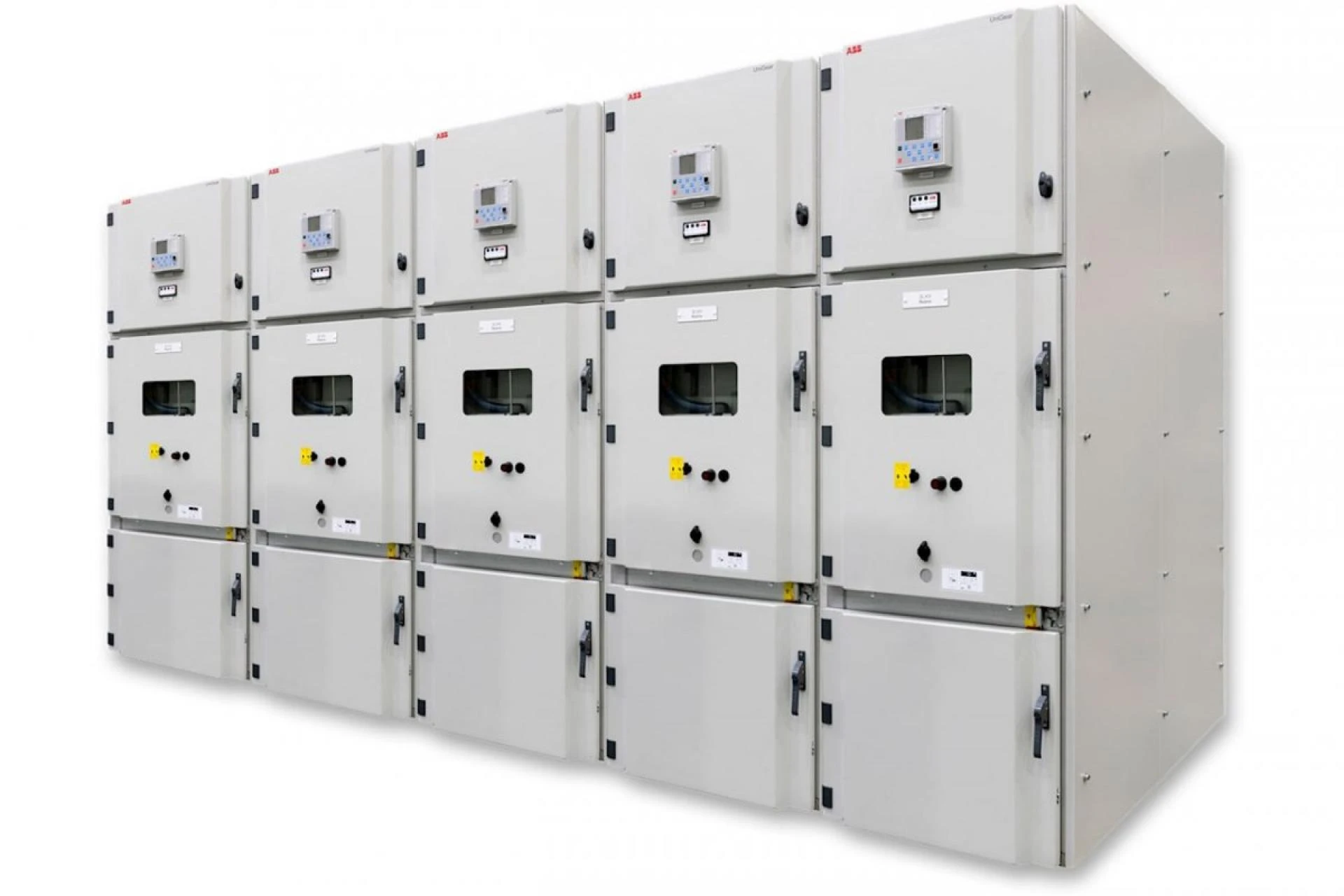

The backbone of industrial power distribution lies in the careful selection of switchgear equipment - a decision that can significantly impact operational efficiency, safety, and long-term costs. Whether you're planning a new facility or upgrading existing infrastructure, choosing the right switchgear requires a deep understanding of your specific industry needs, environmental conditions, and future expansion plans.
Power distribution systems face increasingly complex challenges across the industrial sector. From extreme operating environments to advanced integration requirements, the demands placed on switchgear equipment continue to evolve. Facility managers and engineers must navigate through various options, including air-insulated, gas-insulated, and hybrid solutions, each offering distinct advantages for different applications.
This comprehensive guide will walk you through the essential factors to consider when selecting switchgear for your facility. We'll explore how different industries require varying approaches to power distribution, the impact of environmental conditions on equipment performance, and the importance of future-proofing your investment. By understanding these crucial elements, you'll be better equipped to make an informed decision that ensures reliable operations while optimizing your total cost of ownership.
Understanding Your Power Distribution Requirements
Before diving into switchgear selection, it's essential to assess your facility's specific needs. Consider factors such as:
Operating Voltage Requirements: Most industrial facilities operate within the 1kV to 36kV range, requiring appropriate Medium Voltage Switchgear solutions. Your choice should accommodate both current requirements and potential future expansion.
Environmental Conditions: Industrial environments vary significantly in terms of temperature, humidity, dust levels, and exposure to corrosive substances. These factors directly impact the type of switchgear enclosure and insulation medium you should choose.
Space Constraints: Modern industrial facilities often face space limitations. While air-insulated switchgear (AIS) has been the traditional choice, gas-insulated switchgear (GIS) offers a more compact footprint, though at a higher initial cost.
Types of Switchgear and Their Applications
Different industries have varying requirements, and understanding the available options is crucial for making an informed decision:
Air-Insulated Switchgear: AIS remains popular in many industries due to its lower cost and easier maintenance. It's particularly suitable for facilities with adequate space and moderate environmental challenges. However, regular maintenance is crucial to prevent dust accumulation and ensure proper insulation.
Gas-Insulated Switchgear: GIS uses sulfur hexafluoride (SF6) or other insulating gases, offering superior protection against environmental factors. While more expensive initially, GIS requires less maintenance and offers better reliability in harsh conditions. It's particularly valuable in chemical plants, offshore facilities, and areas with space constraints.
Hybrid Switchgear: These solutions combine elements of both AIS and GIS technologies, offering a balance between cost, maintenance requirements, and space efficiency. They're gaining popularity in retrofitting projects where complete GIS implementation might be cost-prohibitive.
Safety Considerations and Standards Compliance
Safety should be paramount in switchgear selection. Modern switchgear should incorporate:
Arc Flash Protection: Internal arc classification is crucial for operator safety. Look for switchgear tested according to IEC 62271-200 standards.
Remote Operation Capabilities: Minimize risk to personnel by selecting switchgear with remote monitoring and operation features. This is particularly important in hazardous environments.
Mechanical and Electrical Interlocks: These prevent operational errors and ensure safe maintenance procedures.
Maintenance and Lifecycle Considerations
Total Cost of Ownership (TCO) goes beyond initial investment. Consider:
Maintenance Requirements: While GIS typically requires less frequent maintenance, when service is needed, it often requires specialized expertise. AIS maintenance is more straightforward but needed more frequently.
Spare Parts Availability: Ensure your chosen manufacturer can guarantee long-term availability of spare parts. This is crucial for minimizing downtime during repairs.
Upgrade Potential: Select switchgear that can accommodate future modifications or expansions. This might include provisions for additional feeders or integration with smart grid technologies.
Smart Features and Digital Integration
Modern industrial facilities increasingly require intelligent power distribution systems. Consider switchgear with:
Digital Monitoring: Advanced sensors and monitoring systems provide real-time data on equipment health and performance.
Predictive Maintenance Capabilities: AI-driven analytics can predict potential failures before they occur, enabling proactive maintenance.
Integration with Facility Management Systems: Choose solutions that can communicate with your existing SCADA or building management systems.
Environmental Impact and Sustainability
With growing emphasis on environmental responsibility, consider:
SF6-Free Solutions: While SF6 is an excellent insulator, it's also a powerful greenhouse gas. Many manufacturers now offer eco-friendly alternatives.
Energy Efficiency: Modern switchgear designs can significantly reduce energy losses, contributing to lower operational costs and reduced carbon footprint.
End-of-Life Management: Consider manufacturers who offer recycling programs or environmentally responsible disposal options for old equipment.
Making the Final Decision
When selecting switchgear, follow these steps:
Conduct a Thorough Assessment: Document all technical requirements, environmental conditions, and operational constraints.
Evaluate Multiple Options: Request detailed proposals from several manufacturers, comparing not just initial costs but total lifecycle expenses.
Check References: Contact other facilities in your industry using similar equipment to learn from their experiences.
Consider Future Needs: Choose a solution that allows for growth and adaptation to changing requirements.
Final Thoughts
Selecting the right switchgear is a complex decision that impacts your facility's reliability, safety, and operating costs for decades to come. While initial costs are important, focus on long-term value, including maintenance requirements, reliability, and flexibility for future expansion.
Work closely with experienced manufacturers and consultants who understand your industry's specific challenges. Take time to evaluate all options thoroughly, as the right choice will provide reliable service while minimizing operational costs and environmental impact.
Remember that switchgear is a long-term investment in your facility's infrastructure. Prioritize quality, safety, and futureproofing over initial cost savings. The right decision will pay dividends through improved reliability, reduced maintenance costs, and enhanced operational efficiency for years to come.





























Sign in to leave a comment.