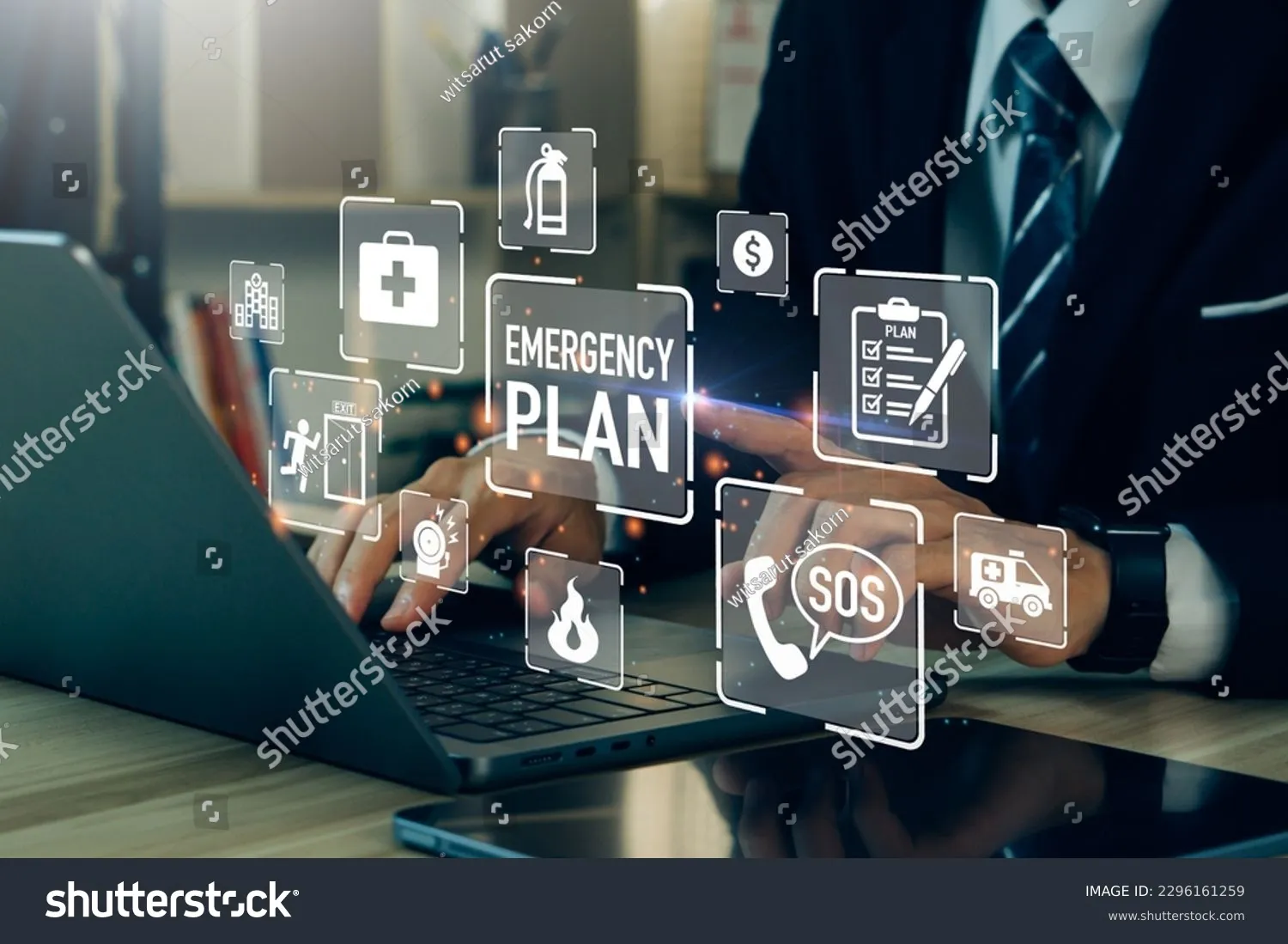

Disruption rarely announces itself in advance. A cyber intrusion may compromise digital systems overnight. A severe weather event can interrupt logistics routes that sustain global operations. Infrastructure failures, geopolitical shifts, and supply chain disruptions can escalate into enterprise-wide challenges within hours. In these moments, leadership is expected to respond with clarity and control.
For modern executives, crisis readiness is no longer confined to safety protocols or facility-level contingency plans. Stakeholders increasingly evaluate organizations by how effectively they maintain operational continuity during uncertainty. Regulators expect transparency. Customers expect reliability. Investors expect resilience.
The ability to manage unexpected events with discipline has therefore become a defining characteristic of mature organizations. Crisis preparedness is no longer a reactive activity. It is a leadership responsibility that protects enterprise stability, reputation, and long-term performance.
The Risk Landscape Modern Enterprises Must Navigate
Operational environments have become increasingly interconnected. Digital infrastructure supports nearly every business function, while supply chains extend across regions and regulatory jurisdictions. A disruption in one location can quickly propagate through these networks, affecting production, customer delivery, and financial performance.
Extreme weather events now influence global logistics routes and manufacturing hubs. Cyber threats continue to evolve in scale and sophistication. Infrastructure disruptions can affect energy supply, telecommunications, and transportation systems simultaneously. These risks rarely occur in isolation.
At the same time, enterprises operate within complex governance environments. Public scrutiny intensifies when disruptions affect employees or customers. Regulatory expectations demand traceable documentation of decisions and response actions. Leadership teams must therefore manage operational recovery while maintaining transparency and accountability.
The challenge lies not only in responding to individual incidents, but in understanding how multiple risks interact. Modern enterprises must coordinate across departments, facilities, and external partners to maintain continuity. This complexity requires a structured approach to crisis readiness that extends beyond isolated emergency planning.
Understanding the Enterprise Approach to Emergency Management
Organizations once relied on localized emergency plans that addressed individual hazards. Facilities developed evacuation procedures, technology teams implemented cybersecurity protocols, and operations departments focused on continuity planning. While valuable, these efforts often operated independently.
Leading organizations increasingly adopt enterprise emergency management to coordinate intelligence, response, and recovery across the entire organization.
This approach integrates risk monitoring, decision authority, and operational response into a unified framework. Instead of reacting to incidents in isolation, leadership gains a consolidated view of emerging threats across facilities, supply chains, and digital systems. Information flows through defined channels, allowing leaders to interpret events within the broader context of enterprise performance.
Cross-functional coordination is central to this framework. Security teams, IT specialists, operational leaders, communications professionals, and executive leadership collaborate through structured response mechanisms. Each group contributes expertise while operating within a shared operational picture.
The enterprise approach recognizes that effective crisis management requires both preparation and coordination. By aligning intelligence with decision authority, organizations can respond quickly without sacrificing operational discipline.
From Planning to Execution: Operationalizing Crisis Response
Preparedness becomes meaningful only when plans translate into coordinated action. When incidents escalate, leadership must move quickly from awareness to execution. This transition requires clearly defined escalation pathways and decision authority.
Structured response teams provide the operational foundation for crisis coordination. These teams guide actions across departments, ensuring that resources, communications, and recovery activities remain aligned with enterprise priorities. Clear communication channels help maintain consistency across internal teams, external partners, and regulatory stakeholders.
Lifecycle discipline strengthens this process. Preparation begins with vulnerability assessments and scenario planning. Response focuses on immediate stabilization and risk containment. Management sustains oversight as conditions evolve. Recovery restores operational capability. Resumption normalizes business activities. Continuous monitoring ensures that emerging threats are identified early.
Each stage requires coordination between leadership and operational teams. Resource allocation, workforce safety, customer communication, and regulatory reporting must occur simultaneously. Without structured execution, even well-designed plans can become ineffective under pressure.
Organizations that operationalize crisis response through disciplined processes maintain control during volatile events. This capability reinforces confidence among employees, partners, and stakeholders.
Governance, Accountability, and Institutional Resilience
Emergency management is closely tied to governance responsibilities. Boards and executive leadership are increasingly expected to demonstrate readiness for unexpected disruption. This expectation extends beyond operational recovery to include accountability and transparency.
Integrated crisis management frameworks support this oversight by documenting decisions, actions taken, and communication timelines. Digital records created during incidents enable leadership teams to evaluate response performance objectively. After-action reviews identify opportunities for improvement and guide updates to policies, procedures, and training programs.
Institutional learning is a critical outcome of this process. Each incident provides insight into operational vulnerabilities and coordination challenges. Organizations that capture these insights strengthen resilience over time.
Regulatory compliance also benefits from structured emergency management practices. Documentation helps demonstrate adherence to safety requirements and reporting obligations. Transparent processes reinforce trust among regulators, investors, and customers.
Ultimately, governance maturity depends on the ability to manage disruption with discipline. Organizations that treat crisis readiness as a strategic capability reinforce accountability and stability throughout the enterprise.
From Emergency Planning to Enterprise Stability
Unexpected disruption is an unavoidable aspect of modern business environments. What distinguishes resilient organizations is not the absence of crises, but the clarity with which they respond.
Structured emergency management allows leadership to interpret emerging threats, align response teams, and maintain operational continuity during uncertainty. It transforms fragmented preparedness efforts into coordinated enterprise capability.
For executives, this discipline strengthens both operational stability and stakeholder confidence. Customers trust organizations that maintain reliability during disruption. Regulators respect transparent and accountable response processes. Investors value companies that demonstrate resilience in volatile environments.
The goal of emergency management is not merely to respond to crises. It is to protect enterprise stability and enable leadership to act with confidence when the unexpected occurs. Organizations that embrace this approach position themselves to navigate uncertainty while sustaining long-term performance.
































Sign in to leave a comment.