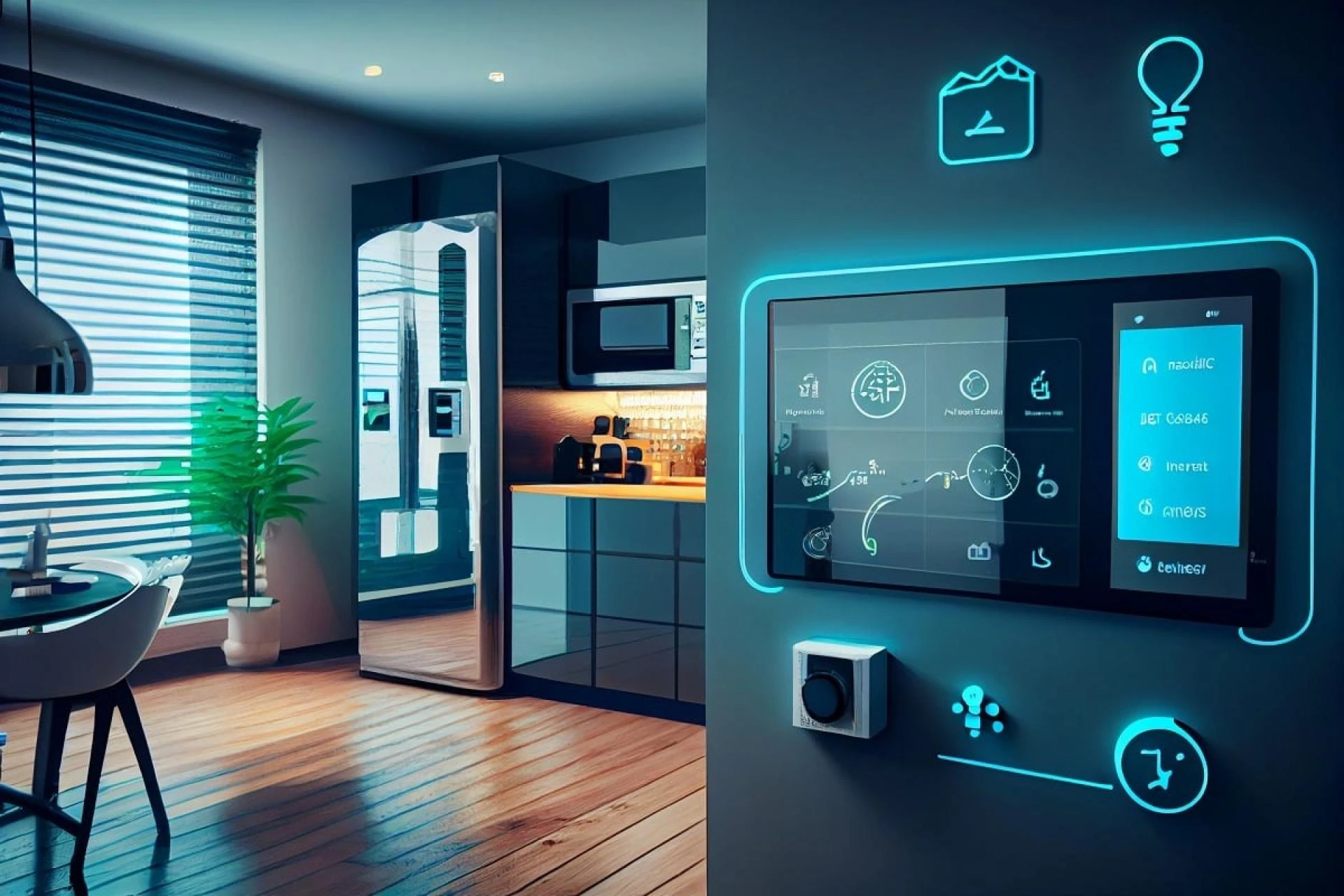
Smart home technology is transforming the way we live making our homes safer, more energy-efficient, and more convenient. But at the core of every smart device lies a crucial foundation: the electrical system. In this guide, we'll explore what smart home electrical systems are, how they work, what components are involved, and how you can implement them in your home for better control, safety, and energy savings.
What Are Smart Home Electrical Systems?
Smart home electrical systems integrate traditional home wiring with intelligent technology that allows you to control lighting, appliances, security, and energy usage from your smartphone or voice assistant. These systems are powered by a network of sensors, controllers, and smart devices connected to your home's electrical infrastructure.
Why Upgrade to a Smart Home Electrical System?
Smart electrical systems offer a wide range of benefits beyond simple convenience.
Key Benefits:
- Enhanced safety with real-time alerts and fire/fault detection
- Energy efficiency through automated lighting and appliance control
- Remote access to lighting, plugs, and circuits via mobile apps
- Voice control integration with assistants like Alexa, Google Home, and Siri
- Scalability for future upgrades or additions
Core Components of a Smart Electrical System
1. Smart Panels and Circuit Breakers
Modern smart electrical panels allow you to monitor energy usage per circuit, control power remotely, and detect electrical faults instantly.
2. Smart Outlets and Switches
These replace traditional outlets and light switches, enabling automation, scheduling, and remote control. Some models track energy usage as well.
3. Smart Lighting Systems
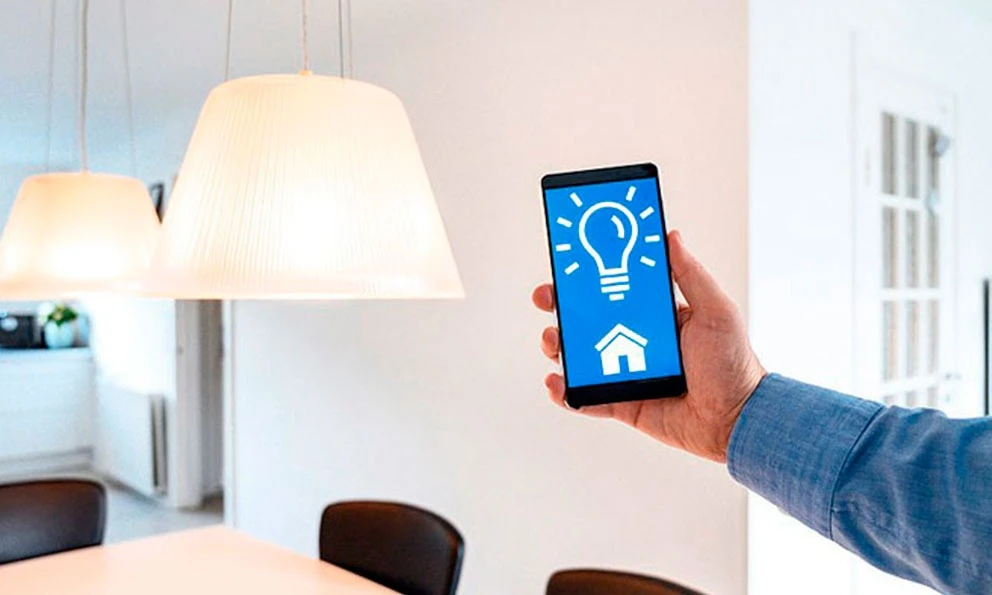
With smart bulbs, switches, or hubs, you can control brightness, color, and power from your smartphone or through voice commands.
4. Connected Home Hubs
These devices, like Amazon Echo or Google Nest Hub, act as control centers for your smart electrical components.
5. Sensors and Detectors
Smart smoke detectors, motion sensors, and flood sensors can integrate with your system to send alerts or trigger automations.
6. Home Energy Monitoring Systems
These systems help you understand how much energy your home is using, identify power-hungry appliances, and suggest ways to save.
How Smart Home Electrical Systems Work
Smart home systems communicate using protocols such as Wi-Fi, Z-Wave, Zigbee, or Bluetooth. Devices are often connected to a central hub or app, which sends commands and receives data in real time.
Here’s a basic flow:
- Smart device (e.g., light switch) connects to a hub or app
- User sends a command via app or voice assistant
- Command is relayed through the home network
- Electrical component responds accordingly (turns on/off, adjusts setting, etc.)
Installation: DIY vs. Professional Setup
DIY Installation
Many smart devices are plug-and-play, especially smart plugs, bulbs, or Wi-Fi switches. However, replacing switches, installing panels, or rewiring should be left to professionals.
Professional Installation
For extensive smart home upgrades or integration into your home’s electrical panel, hiring a licensed electrician ensures safety, compliance with code, and optimal system performance.
Smart Home Automation Ideas
- Motion-activated lights in hallways or bathrooms
- Scheduled lighting to mimic occupancy while away
- Voice-controlled lighting and ceiling fans
- Automatic power-off for unused devices at night
- Energy monitoring alerts when usage exceeds a threshold
Tips for Choosing the Right System
- Compatibility: Ensure devices work with your hub or ecosystem
- Energy Monitoring: Look for features that track energy use
- App Usability: Choose systems with user-friendly interfaces
- Security: Use encrypted communication and update firmware regularly
- Scalability: Pick systems that allow future device additions
Frequently Asked Questions
What makes an electrical system “smart”?
A smart electrical system integrates digital controls, remote access, automation, and monitoring capabilities into your home’s electrical infrastructure.
Can I convert my existing home into a smart home?
Yes. Many smart devices are designed for retrofitting. However, more complex integrations, like smart panels or full automation systems, may require professional upgrades.
Are smart home systems secure?
Most smart systems are secure if you use strong passwords, enable two-factor authentication, and regularly update device firmware. Choose reputable brands with built-in encryption.
Will a smart home save me money?
Yes, especially over time. Smart systems help reduce energy waste, lower utility bills, and minimize equipment wear by automating power usage.
Do smart electrical systems work during power outages?
Core systems will stop functioning during an outage unless you have a backup battery or generator system integrated. Some devices may resume normal operation automatically when power returns.
Conclusion
Smart home electrical systems are more than a luxury—they’re a practical upgrade for safety, efficiency, and future-proof living. Whether you’re just starting with smart plugs or planning a full electrical overhaul, taking the time to understand your options can help you build a connected home that works smarter, not harder.
Visit Writeupcafe



























Sign in to leave a comment.