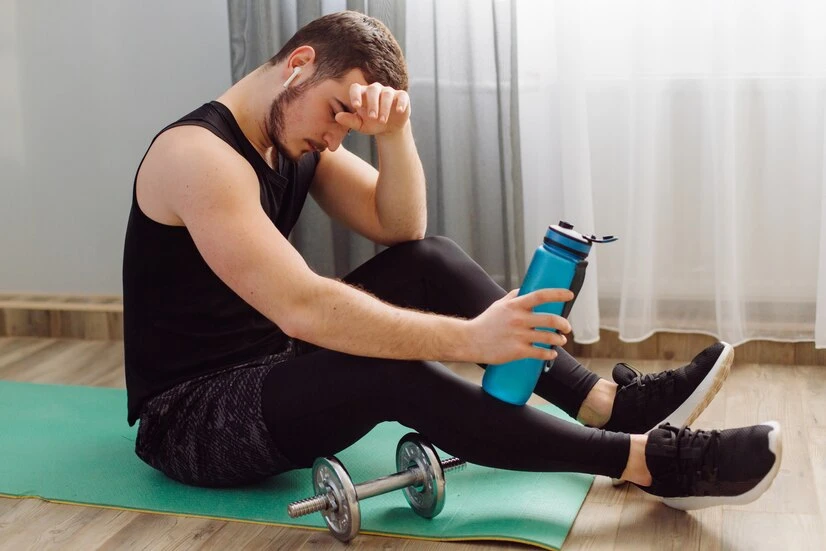

In the world of fitness, achieving optimal performance is not solely about the workouts themselves; it’s equally about how one recovers afterward. Post workout recovery is crucial for muscle repair, growth, and overall physical well-being. This article outlines a comprehensive recovery routine that can help enhance performance, reduce the risk of injury, and promote overall health.
Understanding Post Workout Recovery
After an intense workout, the body undergoes several physiological changes. Muscles experience micro-tears, glycogen stores get depleted, and the body’s energy levels dip. Post workout recovery is the phase where the body heals, replenishes, and prepares itself for the next challenge. Effective recovery involves a combination of nutrition, hydration, rest, and active recovery techniques.
Importance of Recovery
Recovery is essential for several reasons:
- Muscle Repair and Growth: Intense workouts lead to muscle damage, which is necessary for growth. Proper recovery allows muscles to repair and grow stronger.
- Glycogen Replenishment: During workouts, glycogen stores are depleted. Recovery helps restore these energy reserves, ensuring you have enough fuel for future workouts.
- Injury Prevention: Neglecting recovery can lead to overuse injuries. Allowing the body to recover properly can mitigate this risk.
- Mental Well-being: Recovery is not just physical; it’s also mental. Adequate rest can help reduce stress and improve focus for subsequent workouts.
Components of an Effective Recovery Routine
1. Hydration
After exercising, the body loses fluids through sweat. Rehydrating is vital for recovery. Water is essential, but electrolytes may also need replenishing, especially after prolonged or intense workouts. Consider:
- Drinking water: Aim for at least 16-24 ounces within two hours post-workout.
- Electrolyte drinks: If your workout lasted longer than an hour, an electrolyte drink can help restore balance.
2. Nutrition
Nutrition plays a pivotal role in post workout recovery. Consuming the right nutrients helps accelerate recovery, rebuild muscle, and replenish energy stores. Focus on:
- Protein: Essential for muscle repair. Aim for 10-20 grams of protein within 30 minutes after your workout. Sources include lean meats, dairy, legumes, and protein shakes.
- Carbohydrates: Important for replenishing glycogen stores. Combine protein with carbohydrates for optimal recovery. Whole grains, fruits, and vegetables are great options.
- Healthy Fats: While not as immediate for recovery, healthy fats support overall health. Incorporate sources like avocados, nuts, and olive oil.
3. Rest and Sleep
Rest is often overlooked but is one of the most important aspects of recovery. The body repairs itself during sleep, making it crucial for muscle recovery. Aim for:
- Quality Sleep: Strive for 7-9 hours of quality sleep per night. Create a restful environment and establish a consistent sleep schedule.
- Active Rest Days: Incorporate low-intensity activities such as walking, yoga, or cycling on rest days to promote blood flow and aid recovery without over-exerting the body.
4. Stretching and Mobility Work
Incorporating stretching and mobility exercises into your routine can significantly aid recovery. These practices help:
- Increase Flexibility: Regular stretching enhances muscle elasticity and may reduce the risk of injury.
- Promote Blood Flow: Stretching can facilitate better blood circulation, which aids in nutrient delivery and waste removal.
Try to include:
- Static stretches: Hold stretches for 15-30 seconds post-workout to improve flexibility.
- Foam rolling: This self-myofascial release technique can help alleviate muscle tightness and soreness.
5. Cold Therapy
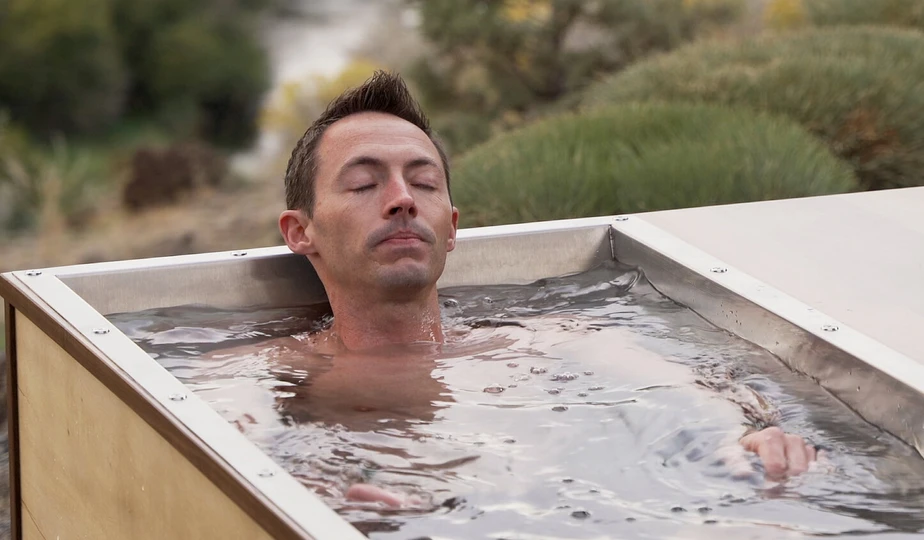
Cold therapy, such as ice baths or cold showers, can be beneficial for post workout recovery. It helps reduce inflammation and muscle soreness. Consider:
- Ice Baths: Submerging the body in cold water for 10-15 minutes can help constrict blood vessels and reduce swelling.
- Cold Packs: Apply cold packs to specific sore areas for 15-20 minutes to alleviate discomfort.
6. Compression Gear
Wearing compression garments post workout can aid in recovery. They promote blood circulation, reduce swelling, and help alleviate muscle soreness. Consider:
- Compression socks: Great for runners or those engaging in lower-body workouts.
- Compression sleeves: Useful for arms or legs, enhancing recovery by supporting muscle groups.
7. Mindfulness and Relaxation Techniques
Mental recovery is as important as physical recovery. Stress can impede the body’s ability to recover effectively. Techniques such as:
- Meditation: Practicing mindfulness can reduce stress levels and improve overall mental health.
- Breathing exercises: Simple breathing exercises can help calm the mind and promote relaxation after a workout.
8. Listen to Your Body
Every individual is different, and recovery needs may vary. Listening to your body is crucial. Signs that you may need additional recovery include:
- Persistent fatigue
- Increased soreness
- Decreased performance levels
If you notice these signs, it may be time to adjust your recovery routine or take an additional rest day.
Conclusion
Incorporating a comprehensive post workout recovery routine is essential for anyone looking to improve their fitness performance and overall health. By focusing on hydration, nutrition, rest, stretching, cold therapy, compression, mindfulness, and listening to one's body, individuals can significantly enhance their recovery process.
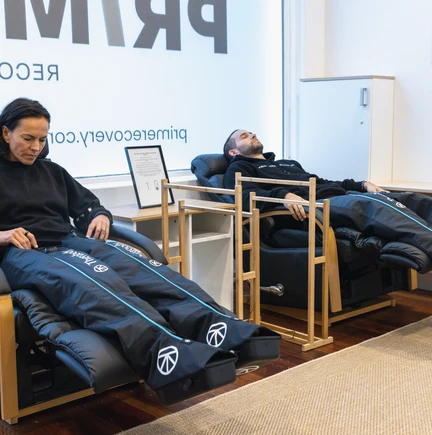
For those seeking to optimize their recovery experience, Prime Recovery offers tailored solutions and products that support effective post workout recovery. Elevate your recovery game today and see the difference it can make in your fitness journey!





























Sign in to leave a comment.