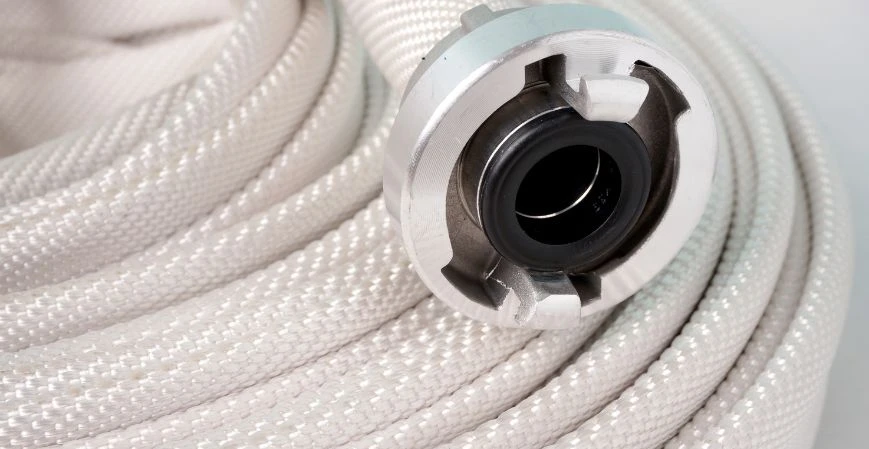

Hose and tubing are often overlooked components, yet they are critical to the functioning of a wide variety of systems. Whether it’s transferring fluids, gases, or even solids, these components ensure the smooth operation of machinery and equipment across industries. In Europe, hose and tubing are not just functional—they are produced to meet rigorous quality and safety standards, making them central to sectors ranging from healthcare to manufacturing.
Understanding the Basics: Hose & Tubing
Although the terms "hose" and "tubing" are sometimes used interchangeably, they serve different purposes. According to Swagelok, tubing is typically rigid or semi-rigid and used in static applications, while hose is flexible and suited for dynamic systems where movement or vibration is involved. This distinction is key in selecting the right component for a given task.
The European approach to hose and tubing emphasizes precision, reliability, and regulatory compliance. Common materials include PVC, silicone, rubber, polyurethane, and PTFE, selected based on the environment they will be used in. For instance, in medical and food industries, silicone and PVC are valued for their non-reactive and hygienic properties. In contrast, materials like nitrile rubber and polyurethane are preferred in automotive and industrial contexts due to their resistance to pressure and temperature extremes. A material guide by Trelleborg provides insight into how these selections are made to match industry demands.
Material Properties and Selection
The choice of material is critical, as it dictates the hose or tubing's performance and suitability for different environments. Materials range from polymers to metals, each with unique properties. For example, Trelleborg provides a detailed guide on how materials are selected based on function, safety, and industry requirements. Materials like PVC, polyurethane, rubber, silicone, and PTFE are commonly used, depending on the application. Silicone and PVC are prevalent in medical and food sectors due to their non-reactive nature, while nitrile rubber and polyurethane are favored in automotive and industrial settings for their durability under high pressure and temperature. The European market for these materials, within hoses and tubing, reached a value of more than USD 4.07 billion in 2024, showing the size and importance of this market.
Innovation, Regulation, and Expanding Use Across Europe
As per the findings of expert market research, as of 2024, the Europe hose and tubing market in reached over USD 4.07 billion in value, a reflection of their wide-ranging applications. Driven by innovation and regulation, the market is expected to grow at a CAGR of 3.80% between 2025 and 2034, with projections placing its value at USD 5.91 billion by 2034.
Tubing plays a crucial role in the healthcare sector, used in oxygen supply, IV lines, and lab setups, all of which must adhere to strict regulations like the EU Medical Device Regulation. In the food and beverage industry, tubing must comply with EU Regulation No 10/2011, which sets standards for plastic materials in contact with food to ensure consumer safety.
In automotive systems, hose and tubing are indispensable for delivering fuel, managing cooling systems, and operating hydraulic brakes. These parts must comply with Euro 7 regulations, which aim to lower emissions and boost fuel efficiency. Similarly, in agriculture and construction, hoses are used for water distribution, chemical spraying, and fuel lines, often exposed to harsh outdoor environments that demand durability.
Environmental concerns are also shaping the future of hose and tubing in Europe. Manufacturers like Masterflex Group and Trelleborg are introducing recyclable thermoplastics and bio-based materials to reduce their environmental footprint. These efforts align with broader EU sustainability goals and respond to a growing market preference for eco-friendly solutions.
As industries evolve and regulations become more demanding, hose and tubing technology in Europe continues to adapt. With a focus on performance, safety, and sustainability, these components are being re-engineered to meet the complex challenges of modern systems. Though they may operate behind the scenes, hose and tubing remain essential to Europe’s industrial backbone.



























Sign in to leave a comment.