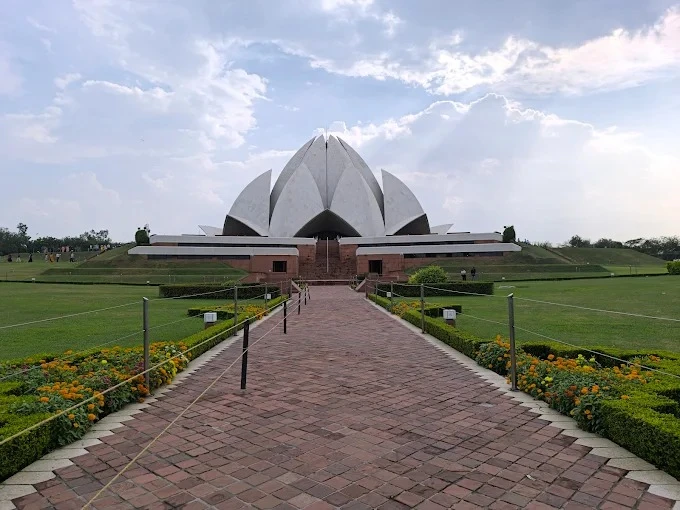

The Lotus Temple is located in Delhi, India, and has the appearance of a beautiful building; it is a structure that represents harmony and togetherness among all people. This famous building is a symbol of peace, harmony, and the commonalities between the world's religions. In Every year, approximately 4 million tourists visits the Lotus Temple for its incredible architecture and design; however, behind the impressive exterior is a rich spiritual history that includes open-mindedness, being welcoming to all individuals, and modern-day engineering science. Whether you are a traveler exploring Delhi for the first time or a history enthusiast seeking untold narratives, the Lotus Temple offers a unique experience. For families and group travellers, hiring a tempo traveller rental in delhi makes visiting this landmark comfortable and convenient while exploring other attractions in the city.
The Vision Behind the Lotus Temple
The Lotus Temple was completed in 1986 and serves as a Bahá’í House of Worship. It was designed by Iranian architect Fariborz Sahba, who envisioned a structure that would represent purity, peace, and unity. The lotus flower, a symbol deeply rooted in Indian culture, was chosen to reflect harmony and spiritual awakening.
Unlike traditional temples, the Lotus Temple welcomes people of all religions. There are no idols, rituals, or sermons inside. Some visitors gather in silence for meditation and prayer, regardless of their faith. This open-door philosophy is one of the temple’s most powerful yet lesser-known aspects.
Architectural Brilliance Inspired by Nature
The Lotus Temple’s design is one of its most fascinating stories. The structure is composed of 27 marble petals arranged in clusters to form nine sides. These petals are made of white marble sourced from Greece, giving the temple its pristine appearance.
The building stands approximately 34 meters tall and is surrounded by nine reflecting pools, enhancing its lotus-like effect. The number nine holds spiritual significance in the Bahá’í faith, symbolizing completeness and unity.
The engineering behind the structure was highly complex. The advanced structural techniques were used to create the curved petal shapes while maintaining stability. Even decades after its construction, the Lotus Temple remains one of the most innovative architectural achievements in modern India.
A Place of Silence
Located in New Delhi, the Lotus Temple offers a rare sense of calm amid the bustling capital. As soon as visitors step inside the central hall, they are greeted by silence. The hall can accommodate around 2,500 people at a time, yet it remains peaceful and serene.
One of the untold stories about the temple is how its silence impacts visitors. Many people report feeling a deep sense of tranquility and reflection within minutes of entering. The absence of rituals or religious symbols allows individuals to connect with their spirituality in a personal way. A Bus rental in delhi makes it easier for groups to visit the Lotus Temple comfortably, especially when planning a day tour covering multiple Delhi attractions.
The Symbolism of the Lotus
The lotus flower holds deep cultural and spiritual meaning in India. It represents purity, enlightenment, and rebirth—qualities that align perfectly with the temple’s purpose. The structure appears as if it is blooming from the earth, symbolizing growth and unity among diverse communities.
The temple’s design intentionally avoids specific religious symbols to promote inclusivity. This universal approach is what makes the Lotus Temple stand out among other places of worship in India.
Global Recognition and Visitor Experience
Since its inauguration, the Lotus Temple has received numerous architectural awards and global recognition. It is one of the most visited buildings in the world, drawing millions of tourists annually.
Visitors can explore the beautifully maintained gardens and learn about the Bahá’í faith through informational displays. Photography is allowed outside, making it a popular spot for capturing stunning images, especially during sunset when the marble petals glow in soft golden light.
A 9-seater tempo traveller is a handy and pleasant way for families and groups to explore this site while taking in the city's other attractions.
Best Time to Visit Lotus Temple
The best time to visit the Lotus Temple is between October and March when the weather in Delhi is pleasant. The best times to avoid crowds and take in the serene ambiance of the temple are early mornings and late afternoons. The temple remains closed on Mondays, so it is important to plan your visit accordingly.
Conclusion
The untold stories of the Lotus Temple go beyond its striking design. It stands as a beacon of unity, welcoming people from all backgrounds to sit together in peace and reflection. From its symbolic lotus shape to its message of inclusivity, every aspect of the temple carries deeper meaning.
Whether you are drawn by its architecture, spirituality, or tranquil ambiance, the Lotus Temple leaves a lasting impression. Planning your journey in Maharana Cab Delhi adds convenience and comfort, especially for group travel. In the heart of a fast-moving city, this magnificent structure continues to bloom as a timeless symbol of harmony and hope.






























Sign in to leave a comment.