

In the shipping and logistics sectors, effective transportation depends much on drayage services. Often referred to as the "first and last mile" of goods movement, these services are crucial for closing gaps in transportation systems, especially for goods moving between main ports, rail terminals, and distribution hubs. The importance of drayage services, the difficulties they solve, and how they support the seamless running of supply chains all around are investigated in this paper.
What are drayage services?
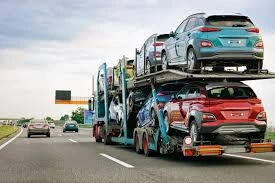
Typically within the same metropolitan region, drayage services are the short-distance transportation of goods utilising trucks or trailers. Moving containers between shipping ports, intermodal hubs, and storage facilities calls for these services, which are indispensable. Although the distances travelled are not very great, drayage has a major effect on supply chain effectiveness.
Whether it's a train terminal for additional travel or a distribution centre for storage, this service guarantees that goods arrives at its next stop in the logistics chain. The name "drayage" comes from the word "dray," which historically described a horse-drawn cart used for small-distance goods transportation. The fundamental goal of transportation stays the same even if the means of mobility have changed.
Essential Categories of Drayage Services
Different kinds of drayage services are used in the logistics sector to handle particular transportation requirements. These cover:
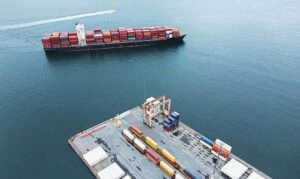
Pier drayage is the kind of drayage whereby goods are transferred from ports to adjacent warehouses or distribution hubs. Particularly for imported products arriving in containers, this is a vital stage in international shipping.
From a rail station to a trucking yard, inter-carrier drayage helps items to be transferred between several transportation routes. This service guarantees the flow of goods inside multimodal logistics systems is continuous.
This service, known as intra-carrier drayage, concentrates on transferring goods within the same carrier network, say from one terminal to another inside a big port complex.
Door-to----Door Drayage is the movement of goods from a port or terminal to the consignee's premises for companies that want direct delivery.
Shuttle drayage is the temporary transfer of containers to off-site storage facilities used to ease port or terminal congestion.
The Function of Drayage in Supply Chain Management
Effective supply chain operations are based mostly on drayage services. Goods would suffer delays and disturbances without this vital link, which would raise prices for consumers and companies. Drayage promotes supply chains in the following ways:
Drayage services link several forms of transportation, including rail, ocean freight, and trucks. Maximising logistics networks and guaranteeing the flawless flow of commodities depend on this connectedness.
Reducing Port Congestion: Especially in busy shipping seasons, ports frequently deal with large traffic volumes. By rapidly transferring containers from the port to off-site destinations, drayage services assist ease traffic and enable more effective operations.
Some sectors, including retail and manufacturing, depend on timely delivery of products to satisfy client needs or production deadlines. Drayage guarantees fast goods movement between hubs of transportation, therefore reducing delays.
Using drayage services' adaptability helps companies to meet evolving logistics demands. Drayage companies offers customised solutions for both managing seasonal demand increases and fulfilling last-minute shipping requirements.
Drayage Sector Challenges
Although drayage services are absolutely essential, the sector deals with various issues that could affect efficiency and operations.
Congestion at important ports can slow down cargo flow, hence causing backlogs and delays. This problem stems from things like growing freight quantities, equipment availability, and labour shortages.
Drayage operators have to follow certain rules, including those pertaining to driver work-hour limitations and emissions criteria. Following these guidelines may raise running expenses and complexity of operations.
Driver Shortages: The drayage sector of the logistics sector is among those suffering a shortfall of suitable drivers. This difficulty is especially noticeable in places where container movement is highly sought for.
Rising costs of drayage services—fuel prices, maintenance costs, and port surcharges—may have an impact on suppliers as well as their customers.
Technology Integration: Although technological developments present chances to simplify drayage operations, smaller suppliers with limited resources may find it difficult to integrate these systems.
Drayage Services: Original Ideas
The drayage industry has seen notable developments meant to solve problems and increase effectiveness.
Digital Platforms: Drayage activities are now controlled using technology. Real-time cargo tracking, automated scheduling, and better stakeholder communication made possible by digital platforms help
Many drayage companies are implementing sustainable practices—such as using electric or low-emission trucks—to meet environmental issues. This change fits worldwide initiatives to lower transportation-related carbon footprints.
From self-driving cars to automated port cranes, automation is becoming increasingly important in the drayage sector. These changes lower labour expenses and improve output.
Using data analytics, drayage firms may spot trends, streamline paths, and make smart decisions to raise operational effectiveness.
Selecting the Correct Drayage Agent
Choosing the correct provider is absolutely vital for companies looking for dependable drayage services. Important considerations include:
Experience and Expertise: A provider more suited to address challenging logistics problems has a track record in the field.
Whether it's port cities, rail hubs, or distribution centres, make sure the provider conducts business in the areas pertinent to your supply chain.
Truck, trailer, and other equipment quality and availability directly affect service dependability and efficiency in fleet and equipment.
Technology Integration: Providers who track shipments and communicate using contemporary technologies present more openness and effectiveness.
Dealing with problems and guaranteeing seamless operations depend on a proactive and quick customer care staff.
Drayage Services: Their Future
The need for effective drayage services is predicted to increase as world trade keeps expanding. Emerging trends influencing the direction of the sector consist:
Reducing the environmental impact of drayage will mostly depend on the shift to environmentally friendly methods such electric cars and other fuels.
Technologies including artificial intelligence, blockchain, and Internet of Things (IoT) will help the drayage sector's data management, security, and operations to be further simplified.
Cooperation among stakeholders—including shippers, carriers, and port authorities—will become ever more crucial for handling issues including congestion and resource allocation.
The sector will concentrate on enhancing working conditions, providing competitive pay, and funding driver training programs in order to counteract shortages of drivers.
Modern supply chains depend on drayage services, which let commodities flow between transportation hubs without incident. The drayage business keeps changing to satisfy the needs of world trade by tackling problems, implementing creative ideas, and stressing sustainability. Maintaining a competitive advantage in today's market and guaranteeing effective logistics operations depend on firms working with a trustworthy drayage supplier.






























Sign in to leave a comment.