
Introduction
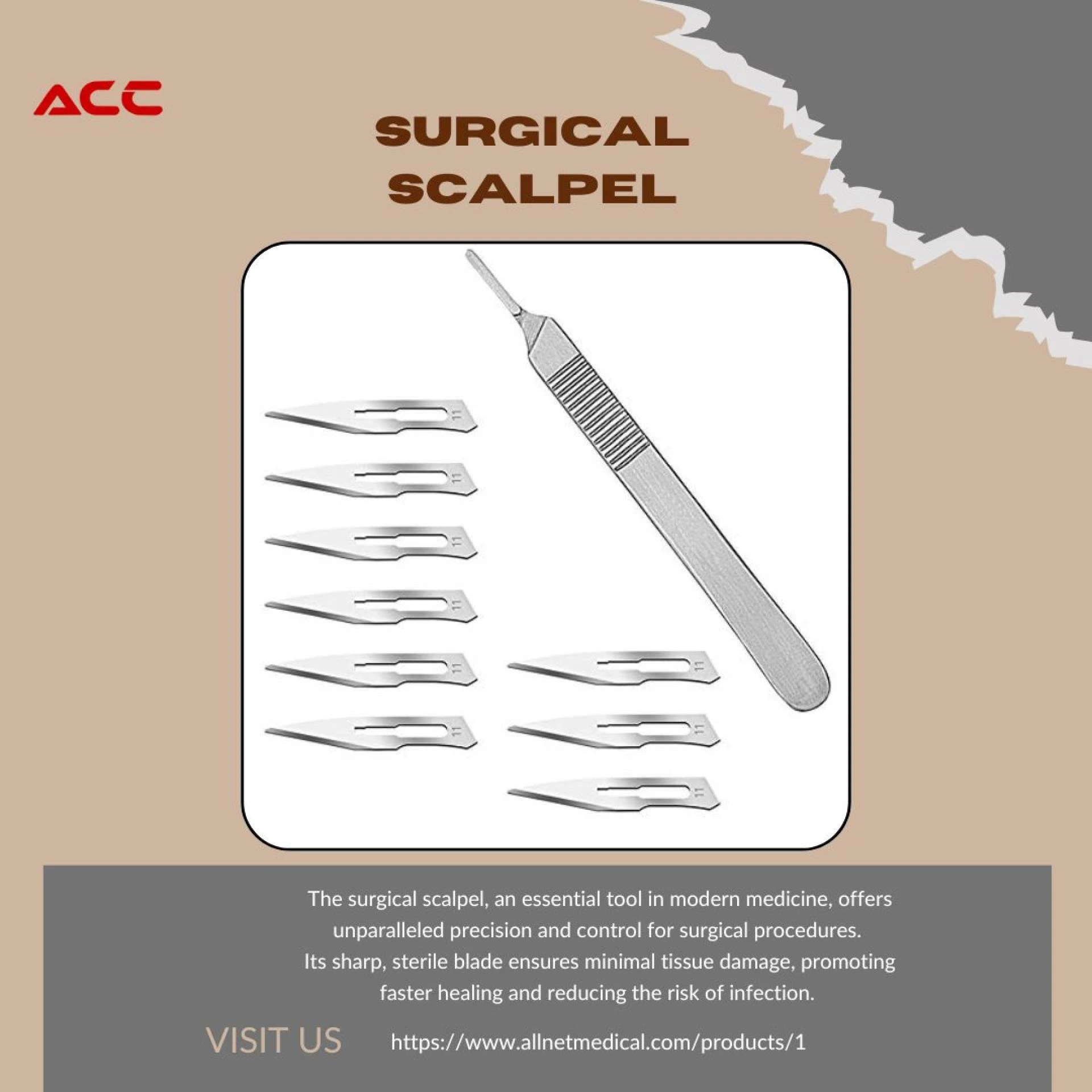
Surgical scalpels are essential tools in the medical field. Their precision and sharpness make them indispensable for various surgical procedures. This article explores the diverse uses of surgical scalpel blades, highlighting their importance in different medical contexts.
General Surgery Applications
Surgical scalpels are primarily used in general surgery. Surgeons rely on these instruments to make precise incisions in the skin and underlying tissues. The sharpness of surgical scalpel blades ensures clean cuts, reducing tissue trauma and promoting faster healing. Whether it’s an appendectomy or a hernia repair, surgical scalpels are vital for successful outcomes.
Specialized Surgical Procedures
Beyond general surgery, surgical scalpels are crucial in specialized procedures. In cardiac surgery, for instance, scalpels are used to perform delicate operations on the heart and blood vessels. Neurosurgeons use specialized scalpel blades to operate on the brain and spinal cord, where precision is paramount. Orthopedic surgeons rely on surgical scalpels for joint replacements and bone repairs. Each specialty demands specific types of scalpel blades to achieve optimal results.
Plastic and Reconstructive Surgery
In plastic and reconstructive surgery, surgical scalpels play a pivotal role. Surgeons use them to create incisions that minimize scarring and enhance cosmetic outcomes. Procedures such as facelifts, breast augmentations, and rhinoplasties require the precision that only surgical scalpels can provide. The ability to make fine, controlled cuts is essential for achieving aesthetically pleasing results.
Dermatological Applications
Dermatologists frequently use surgical scalpels for skin-related procedures. These include mole removal, biopsies, and excisions of skin lesions. The precision of surgical scalpels ensures that healthy tissue is preserved while the targeted area is effectively treated. This minimizes scarring and promotes quicker recovery.
Veterinary Surgery
The use of surgical scalpels extends beyond human medicine into veterinary practice. Veterinarians rely on these tools for a variety of procedures, including spaying, neutering, and tumor removals. The same principles of precision and minimal tissue damage apply, ensuring the health and well-being of animals.
Autopsies and Pathology
Surgical scalpels are also indispensable in autopsies and pathological examinations. Pathologists use them to dissect tissues and organs, allowing for detailed analysis. This aids in determining the cause of death and diagnosing diseases. The accuracy of surgical scalpel blades is crucial for obtaining reliable results in these examinations.
Research and Education
In medical research and education, surgical scalpels are used for dissections and anatomical studies. Medical students and researchers use these instruments to explore the human body’s structure and function. The hands-on experience with surgical scalpels helps future surgeons develop the skills they need for their careers.
Conclusion
Surgical scalpel blades are versatile tools with a wide range of applications in medicine. From general surgery to specialized procedures, their precision and effectiveness are unmatched. In dermatology, veterinary practice, autopsies, and medical education, surgical scalpels play a crucial role. Their importance in achieving successful surgical outcomes and advancing medical knowledge cannot be overstated.
For more information: Allnet





























Sign in to leave a comment.