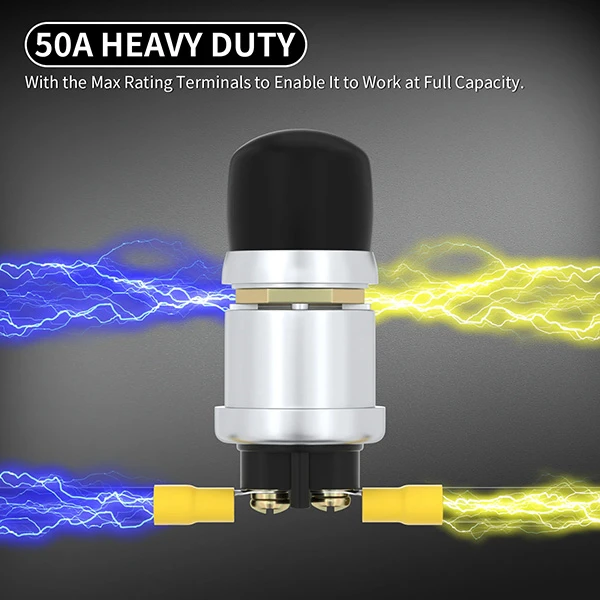

In modern electronics and electrical systems, the 12V push button switch stands out as a versatile and essential component.
These switches are widely used in various applications, ranging from automotive systems to industrial machinery and consumer electronics. This article explores the features, types, applications, and benefits of 12V push button switches, highlighting their significance in contemporary technology.
Understanding the 12V Push Button Switch
A 12V push button switch is a type of electrical switch designed to operate on a 12-volt power supply. It typically features a simple mechanism: a button that, when pressed, completes or interrupts an electrical circuit. This action can either momentarily or permanently change the state of the circuit, depending on the switch's design.
Key Features of 12V Push Button Switches
Voltage Compatibility: As the name suggests, these switches are optimized for 12-volt systems, which are common in many automotive and electronic applications.
Compact Design: Many 12V push button switches are designed to be compact and easy to install, making them suitable for space-constrained applications.
Durability: High-quality switches are built to withstand frequent use and harsh environments, featuring robust materials like stainless steel, plastic, or aluminum.
Variety of Configurations: These switches come in various configurations, including momentary, latching, illuminated, non-illuminated, and different mounting styles (such as panel mount or PCB mount).
Ease of Use: The simple push-button mechanism makes these switches user-friendly and easy to operate.
Types of 12V Push Button Switches
Momentary Push Button Switch: This type of switch only remains active as long as it is being pressed. It returns to its original state when released. It's commonly used for applications like doorbells, car horn buttons, and reset buttons on electronic devices.
Latching Push Button Switch: Unlike momentary switches, latching switches maintain their state after being pressed. Pressing the button once will change the circuit state until the button is pressed again. This type is often used in power switches and light switches.
Illuminated Push Button Switch: These switches have built-in LEDs that light up when the switch is active, providing visual feedback. They are used in applications where visibility is crucial, such as control panels and dashboards.
Non-Illuminated Push Button Switch: These are standard push button switches without any built-in lighting. They are typically used in applications where illumination is not necessary.
Waterproof Push Button Switch: Designed for outdoor or harsh environments, these switches have seals or coatings to prevent water ingress, making them suitable for marine, industrial, and outdoor applications.
Applications of 12V Push Button Switches
Automotive Industry: In vehicles, 12V push button switches are used for various controls, including ignition systems, horn activation, light control, and window operations. Their reliability and ease of use make them ideal for automotive applications.
Consumer Electronics: These switches are found in many consumer electronic devices such as computer peripherals, audio equipment, and home appliances. They serve functions like power on/off, mode selection, and reset operations.
Industrial Machinery: In industrial settings, 12V push button switches are used to control machinery, equipment start/stop functions, and emergency shut-off systems. Their durability and reliability are crucial in these environments.
Marine Applications: Waterproof 12V push button switches are used in boats and other marine vessels for lighting control, bilge pumps, and other electrical systems. Their resistance to water and corrosion ensures longevity in marine environments.
Home Automation: With the rise of smart home technology, these switches are increasingly used in home automation systems for controlling lights, security systems, and other smart devices.
Medical Equipment: In medical devices, 12V push button switches are used for various control functions, providing reliable and precise operation critical for patient safety and equipment functionality.
Benefits of Using 12V Push Button Switches
Reliability: These switches are designed to offer consistent performance over many cycles, making them reliable for critical applications.
Ease of Installation: The compact and straightforward design of 12V push button switches makes them easy to install in a wide range of devices and systems.
User-Friendly Operation: The intuitive push-button mechanism is simple for users to operate, reducing the potential for user error.
Versatility: With various types and configurations available, these switches can be adapted to suit almost any application, providing flexibility in design and implementation.
Durability: Built to withstand harsh conditions, many 12V push button switches feature materials and designs that ensure long-term durability and resistance to environmental factors.
Cost-Effective: These switches are generally affordable and offer a cost-effective solution for controlling electrical circuits in many applications.
Factors to Consider When Selecting a 12V Push Button Switch
When choosing a 12V push button switch, several factors should be taken into account to ensure the switch meets the specific needs of the application:
Current and Voltage Ratings: Ensure the switch can handle the electrical load of the application without risk of failure or damage.
Environmental Conditions: Consider the operating environment, such as exposure to moisture, dust, or extreme temperatures, and choose a switch with appropriate durability and protection features.
Mounting Style: Depending on the installation requirements, select a switch with a suitable mounting style, whether panel mount, PCB mount, or another configuration.
Switch Type: Decide between momentary, latching, illuminated, or non-illuminated based on the specific function and user interface requirements.
Size and Design: Ensure the switch fits within the available space and complements the overall design of the device or system.
Regulatory Compliance: Check for compliance with relevant industry standards and certifications, especially for applications in regulated industries like automotive and medical.
Conclusion
The 12V push button switch is a crucial component in a wide range of applications, offering simplicity, reliability, and versatility.
Whether used in automotive systems, consumer electronics, industrial machinery, or home automation, these switches provide an effective solution for controlling electrical circuits.
By understanding the different types, applications, and benefits of 12V push button switches, designers and engineers can select the right switch to enhance functionality and ensure the durability and efficiency of their systems.
As technology continues to advance, the role of these switches in enabling seamless and reliable operation across various sectors remains indispensable.



























Sign in to leave a comment.