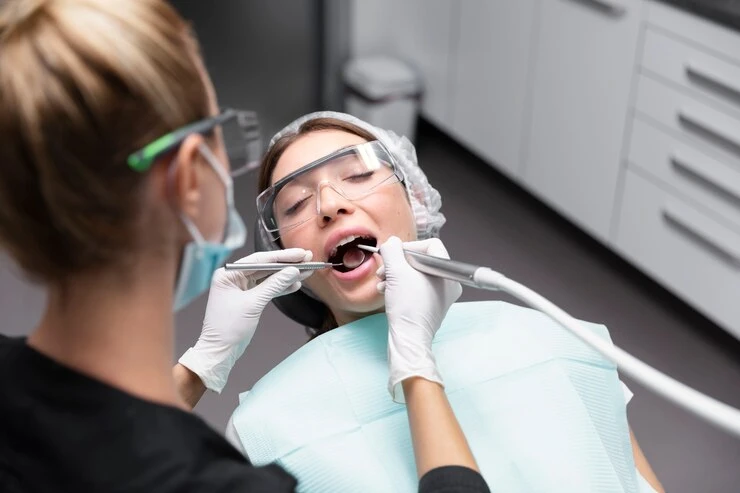

When it comes to maintaining optimal oral health, many individuals may overlook the significant role that a dental hygienist plays in their overall dental care routine. Often seen as the unsung heroes of the dental practice, dental hygienists are highly trained professionals who are essential in both preventing and managing oral diseases. Their expertise not only helps in maintaining a healthy mouth but also serves as a bridge between patients and dentists, ensuring that oral health is prioritised throughout various stages of life.
Understanding the Expertise of a Dental Hygienist
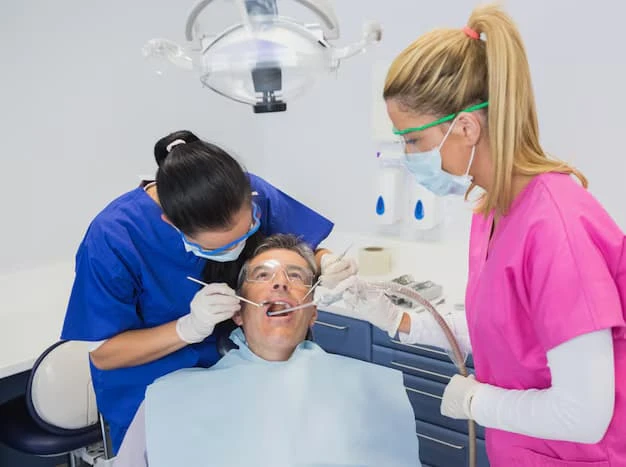
A dental hygienist is more than just a person who cleans teeth; they are an integral part of the dental healthcare team. With extensive training, they possess a thorough understanding of oral health, anatomy, and the various diseases that can affect the mouth. Their primary responsibility is to assess and maintain the health of patients' gums and teeth, which involves conducting comprehensive examinations, taking X-rays, and providing preventive care.
During a typical appointment, a dental hygienist will engage in a meticulous cleaning process known as prophylaxis. This involves the removal of plaque and tartar that can accumulate on teeth over time, which is crucial in preventing cavities and gum disease. Additionally, they provide valuable education on proper brushing techniques, flossing, and the use of mouthwash, empowering patients to take charge of their oral hygiene at home. This aspect of their role is vital, as many individuals may not be aware of the best practices for maintaining their oral health.
The Preventive Paradigm
One of the most significant contributions of a dental hygienist lies in their focus on preventive care. The adage, "an ounce of prevention is worth a pound of cure," rings particularly true in dentistry. By identifying potential issues early, dental hygienists can help avert more serious problems down the line. For instance, during routine check-ups, they can spot early signs of gum disease, such as gingivitis, and recommend appropriate treatment before it escalates into periodontitis, a more severe condition that can lead to tooth loss.
Moreover, dental hygienists are trained to provide fluoride treatments and dental sealants, both of which serve as proactive measures against decay. Fluoride, a natural mineral, strengthens tooth enamel, making it more resistant to acid attacks from bacteria and sugars. Similarly, dental sealants act as a barrier, protecting the chewing surfaces of teeth from the harmful effects of plaque and food particles. By incorporating these preventive strategies into their routine, patients can significantly reduce their risk of developing dental issues, ultimately leading to a healthier smile.
Education and Empowerment
Education is a cornerstone of the dental hygienist's role. They are not only responsible for performing clinical tasks but also for educating patients about oral health and hygiene. This dual responsibility ensures that patients are well-informed about the importance of maintaining good oral practices. During appointments, dental hygienists take the time to explain the implications of poor dental hygiene, such as the potential for cavities, gum disease, and even systemic health issues that can arise from untreated oral infections.
Furthermore, dental hygienists often tailor their advice to suit individual needs. For example, they may offer specific recommendations for patients with braces, those who suffer from dry mouth, or individuals navigating the challenges of diabetes. This personalised approach not only enhances the patient's understanding but also fosters a sense of responsibility and ownership over their oral health. Patients are more likely to adhere to oral hygiene routines when they comprehend the 'why' behind the recommendations, making the role of the dental hygienist pivotal in shaping long-lasting habits.
The Bridge to Comprehensive Care
In many dental practices, the dental hygienist serves as a crucial link between the patient and the dentist. After performing an initial assessment and cleaning, they will provide the dentist with a detailed report of their findings. This collaboration ensures that any concerns are addressed promptly and that the patient receives comprehensive care tailored to their specific needs.
Moreover, dental hygienists play a significant role in encouraging patients to attend regular check-ups. They understand that fear and anxiety often hinder individuals from seeking dental care; thus, they strive to create a comfortable environment that promotes open communication. By establishing a rapport with patients, dental hygienists can help alleviate these fears, ensuring that individuals prioritise their oral health and seek necessary treatments without hesitation.
The Lifelong Impact of Regular Visits
Establishing a routine that includes regular visits to a dental hygienist can have profound implications for one’s oral health throughout life. For children, early exposure to dental hygiene practices can set the foundation for a lifetime of healthy habits. Educating young patients about the importance of oral care can help them develop a positive attitude towards dental visits, reducing the likelihood of anxiety as they grow older.
For adults, consistent appointments with a dental hygienist can aid in the early detection of issues that may arise, particularly as one ages. Conditions such as gum disease, oral cancer, and other systemic health concerns can be identified during routine visits. The proactive approach taken by dental hygienists not only benefits individual patients but also contributes to broader public health by reducing the prevalence of oral diseases within communities.
In essence, the role of a dental hygienist extends far beyond mere cleaning of teeth. They are educators, advocates, and guardians of oral health, tirelessly working to promote preventive care and empower patients. For those seeking to maintain a radiant smile and robust oral health, the dental hygienist is an indispensable ally in their journey. By understanding and appreciating their vital role, patients can take meaningful steps towards achieving and sustaining exceptional oral health, ultimately leading to a happier, healthier life.



























Sign in to leave a comment.