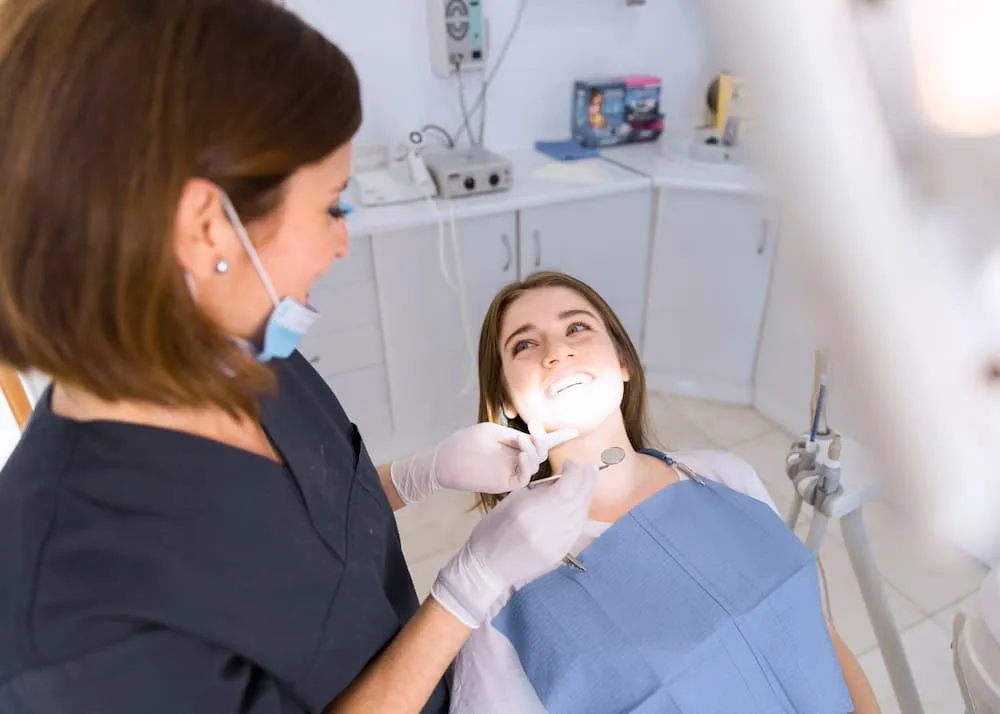

Replacing missing teeth can help restore chewing, speech, appearance, and confidence. For patients seeking a removable restoration with a discreet appearance, flexible thermoplastic dentures may offer an appealing alternative to traditional rigid designs. These appliances are designed to adapt around certain natural teeth and oral tissues while providing replacement teeth where needed. Understanding their material characteristics, potential benefits, limitations, fitting process, and care requirements can help patients develop realistic expectations. Thermoflex partial dentures may be considered when their flexible material and design are appropriate for an individual's restorative needs.
What Are Thermoflex Partial Dentures?
Thermoflex partial dentures are removable dental appliances made from flexible thermoplastic material. They generally include artificial teeth connected to a flexible base that rests around the supporting oral structures. The material can be designed to resemble gum tissue, which may make certain components less noticeable. The flexibility also provides a different experience from rigid acrylic or metal framework dentures. However, flexibility does not automatically make a restoration suitable for every patient. Professional evaluation is necessary to determine whether this type of appliance can provide appropriate stability and function.
Flexible Material Characteristics
Thermoplastic materials are designed to provide flexibility while maintaining enough strength for their intended dental application. The material can adapt to certain contours of the mouth and may reduce the visibility of traditional metal components in selected designs. Its appearance can be especially appealing when replacement teeth are located in visible areas. At the same time, the material has specific fabrication and repair considerations. Patients should understand that a flexible denture has unique maintenance requirements and may not be suitable for every clinical situation.
Potential Aesthetic Benefits
One of the most noticeable benefits of flexible partial dentures can be their discreet appearance. Gum colored material may blend with the surrounding tissues and reduce the visibility of supporting components. This can help create a more natural looking smile, particularly when replacing front teeth. The artificial teeth can also be selected to complement the patient's existing dentition. Shade, shape, and positioning all contribute to the final appearance. Careful design is essential because even attractive materials cannot produce a natural result if the tooth arrangement or fit is incorrect.
Improving Smile Confidence
Visible gaps can make some individuals hesitant to smile or speak freely. Replacing missing teeth with a discreet appliance may help restore a sense of confidence during everyday interactions. A flexible partial denture can provide an aesthetic improvement while also restoring some chewing and speech functions. Patients should remember that confidence is closely connected to comfort and stability. A restoration should therefore be designed to balance appearance with practical function. A professional assessment helps determine whether the selected design can meet both cosmetic and functional expectations.
Comfort and Adaptability
Some patients appreciate the lighter and more flexible feel of thermoplastic materials. The base can conform to certain oral contours and may feel less rigid than traditional alternatives. However, comfort depends on more than material flexibility. The shape of the appliance, quality of impressions, oral anatomy, bite, and placement of replacement teeth all influence the wearing experience. A poorly designed flexible denture may still cause irritation or movement. Professional fabrication and fitting remain essential for maximizing the potential comfort of the appliance.
Adjusting to the New Appliance
A new denture may feel unusual during the initial adjustment period. The tongue may need time to adapt, while speech and chewing can temporarily feel different. Patients can usually build confidence gradually by practicing speech and beginning with softer foods. The appliance should not cause persistent pain or significant tissue irritation. If discomfort continues, professional evaluation is appropriate. Adjustments may sometimes improve the fit, but flexible materials can have different modification requirements compared with rigid dentures.
Functional Considerations
Thermoplastic partial dentures can replace missing teeth and restore some chewing and speech functions. Their effectiveness depends on the number and position of missing teeth, available support, bite forces, and the design of the appliance. Flexible material can provide useful retention in selected cases, but not every patient will achieve the same level of stability. Individuals should have realistic expectations and understand that removable restorations do not function exactly like natural teeth. A professional evaluation can determine whether the design is appropriate for the patient's functional needs.
Importance of Accurate Impressions
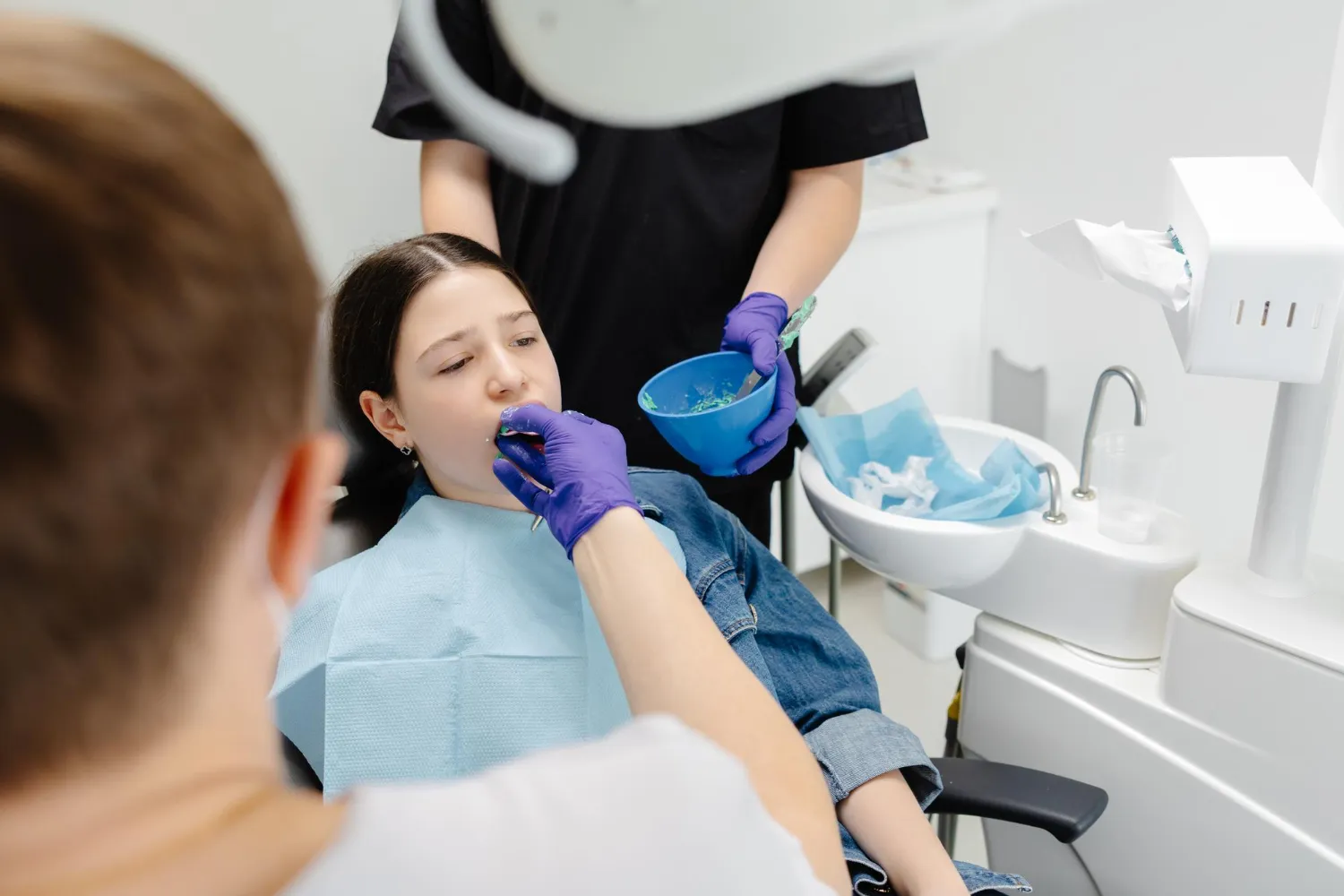
Accurate impressions or digital scans are important when fabricating a flexible partial denture. The restoration must correspond closely with the patient's oral anatomy to achieve an appropriate fit. The dental professional records the remaining teeth, supporting tissues, available space, and bite relationship. These records are then used to create the appliance according to the prescribed design. Small inaccuracies can influence comfort and stability. Careful record taking and laboratory fabrication therefore contribute significantly to the final result.
Designing Around Natural Teeth
The remaining natural teeth play an important role in partial denture design. They may provide support or contribute to the overall stability of the appliance. The dental professional must evaluate their health and position before treatment. A restoration should not place excessive forces on compromised teeth. The shape of the flexible base and replacement teeth should also allow appropriate oral hygiene. A carefully planned design can help balance retention, comfort, aesthetics, and protection of the remaining natural dentition.
Care and Cleaning Requirements
Thermoplastic dentures should be cleaned according to professional instructions specific to the material. Abrasive cleaners may scratch surfaces or affect appearance, while excessive heat can potentially change the shape of flexible materials. Patients should use suitable cleaning methods and handle the appliance carefully. The remaining natural teeth and gums require regular brushing and interdental cleaning. Professional dental examinations remain important because changes in the mouth can affect denture fit. Consistent care helps maintain both the restoration and the oral tissues supporting it.
Proper Storage
When not in use, the denture should be stored according to the instructions provided by the dental professional. Certain flexible materials may have specific moisture requirements, while others may require particular storage conditions. The appliance should be protected from excessive heat and placed somewhere safe from accidental damage. Patients should inspect the denture periodically for cracks, changes in color, damaged teeth, or alterations in fit. If a problem develops, professional assessment is safer than attempting a home repair.
Limitations Patients Should Know
Flexible partial dentures can provide useful benefits, but they are not universally appropriate. Some patients may require a more rigid restoration for greater support or stability. Flexible materials can also present different repair and adjustment considerations. Patients with significant tooth loss, certain bite relationships, or compromised supporting teeth may need another treatment option. A professional evaluation should determine whether the material is appropriate. Selecting a flexible denture solely because it looks discreet may overlook important functional and oral health considerations.
Comparing Treatment Options
Patients may have several removable and fixed tooth replacement options. Acrylic partial dentures, cast metal framework dentures, fixed bridges, and implant supported restorations each have different advantages and limitations. Flexible thermoplastic appliances may appeal to patients who prioritize aesthetics and adaptability, but another option may provide better long term stability in a particular case. A thorough comparison should include comfort, appearance, durability, maintenance, cost, and clinical suitability. Patients can make better decisions when they understand why one design may be preferred over another.
Long Term Expectations
The lifespan of a flexible partial denture depends on the material, design, oral health, daily habits, and changes in the mouth. Natural teeth and gum tissues can change over time, affecting fit and stability. Normal wear can also influence the appearance and function of the appliance. Regular examinations allow professionals to monitor these changes and determine whether an adjustment, repair, or replacement is appropriate. Good hygiene and careful handling can extend useful service, but no removable restoration should be expected to remain unchanged indefinitely.
Conclusion
Thermoflex partial dentures can offer a discreet and flexible approach to replacing selected missing teeth when the design is clinically appropriate. Their aesthetic appearance and adaptable material may appeal to patients seeking an alternative to more rigid appliances. However, successful results depend on accurate records, careful design, professional fitting, appropriate maintenance, and realistic expectations. Individuals considering this option should discuss their specific needs with a qualified dental professional. With careful fabrication and restorative planning, OD's Dental Laboratory can support dental professionals in producing flexible partial dentures tailored to individual oral anatomy and treatment goals.



























Sign in to leave a comment.