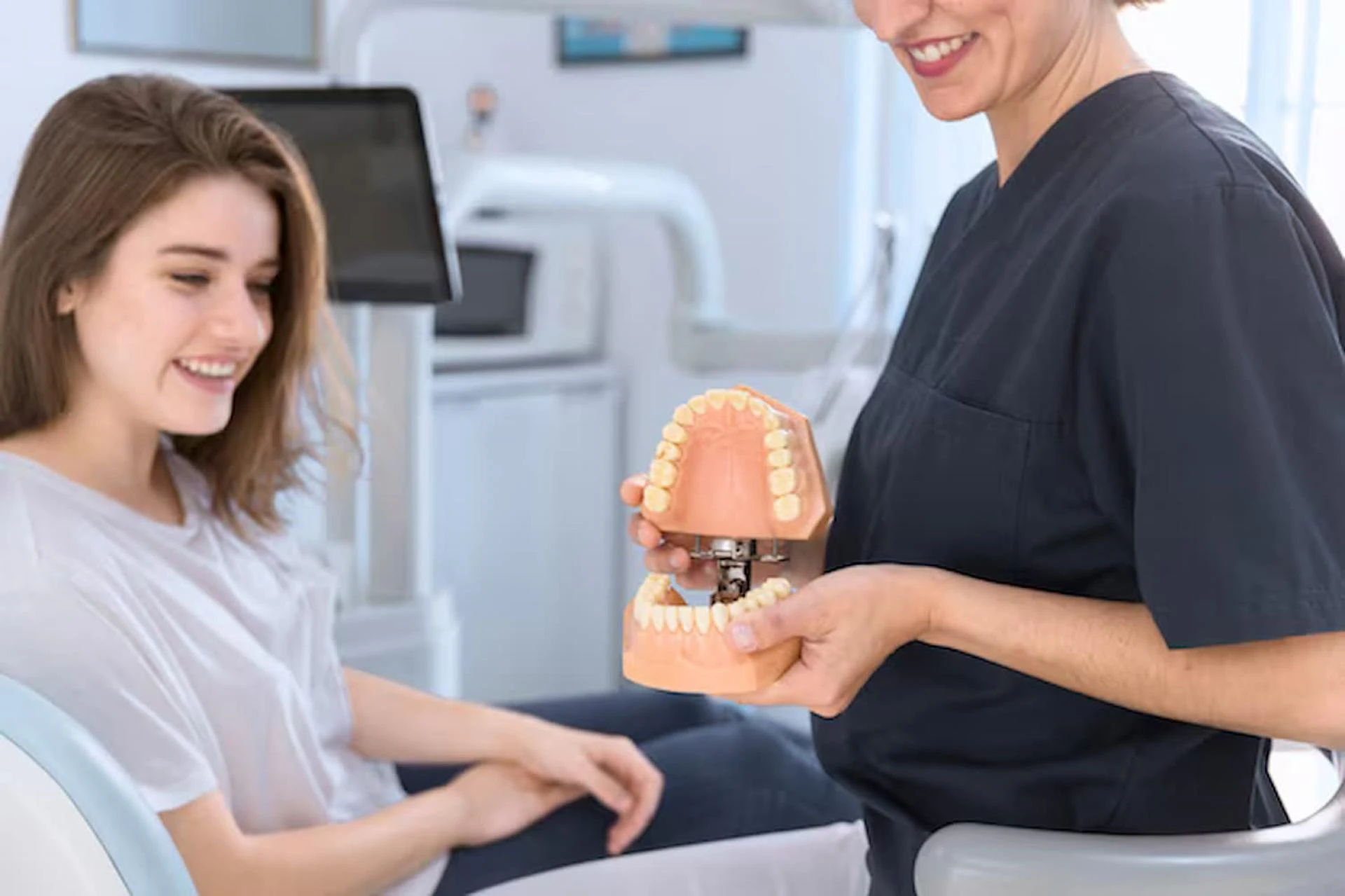

Partial dentures remain one of the most common and effective solutions for individuals who have lost several teeth but still retain healthy natural ones. Among the available options, flexible thermoplastic designs and traditional acrylic-based prosthetics are widely used. Understanding the differences between these two types helps patients and caregivers make confident decisions about comfort, durability, aesthetics, and long term oral health outcomes. This comparison explains how each option works, who may benefit most, and what factors typically influence the final choice.
In modern restorative dentistry, material innovation has transformed removable prosthetics into lighter, more natural looking appliances. Many patients today ask about thermoflex partial dentures when exploring alternatives to rigid acrylic models. Both options serve the same purpose of restoring chewing ability, speech clarity, and smile appearance, yet their design philosophy and performance characteristics differ in meaningful ways.
Understanding Partial Dentures
Purpose of Partial Dentures
Partial dentures are removable prosthetic devices designed to replace one or more missing teeth. They help maintain alignment of remaining teeth, support facial structure, and restore daily function. Without replacement, adjacent teeth can shift into gaps, causing bite problems and discomfort over time.
Key Components of a Partial Denture
Most partial dentures consist of replacement teeth attached to a base that rests on the gums. Some designs also include clasps or connectors that anchor the appliance to existing teeth. The materials used for the base and framework largely determine comfort, flexibility, and longevity.
What Are Thermoflex Partial Dentures
Flexible Thermoplastic Material
Thermoflex partial dentures are made from a flexible nylon based thermoplastic material. This material softens when heated and molds precisely to the contours of the mouth. Once cooled, it becomes durable yet retains flexibility. This adaptability allows the denture to fit snugly without relying on rigid metal components.
Natural Looking Appearance
One of the main advantages of flexible dentures is their translucency. The base blends with the natural gum color, making it less noticeable than traditional pink acrylic bases. The clasps are also made from the same flexible material, which eliminates visible metal and improves aesthetics.
Comfort and Adaptability
Because the material bends slightly with mouth movement, it reduces pressure points and irritation. Many patients report that flexible dentures feel lighter and less bulky, making them easier to wear for extended periods.
What Are Acrylic Partial Dentures
Traditional Rigid Construction
Acrylic partial dentures use a rigid plastic base that holds artificial teeth in place. They may include metal clasps or frameworks to enhance stability. This design has been used for decades and remains a reliable option for many patients.
Ease of Modification
One of the biggest advantages of acrylic dentures is their ability to be adjusted. If additional teeth are lost later, the prosthetic can often be modified rather than replaced entirely. This makes acrylic a practical solution for individuals with progressive dental issues.
Cost Effectiveness
Acrylic partial dentures are generally more affordable than flexible options. Their simpler fabrication process and widely available materials help keep costs lower, making them accessible to a broader range of patients.
Comfort Comparison
Flexibility vs Rigidity
Flexible dentures tend to adapt better to gum contours, which reduces friction and sore spots. Acrylic dentures, while stable, may feel bulkier and can create pressure on certain areas of the mouth.
Weight and Thickness
Thermoplastic dentures are usually thinner and lighter. Acrylic bases often require more thickness to maintain strength, which can feel heavier to the wearer.
Adjustment Period
Patients who choose flexible dentures often experience a shorter adjustment period. Acrylic dentures may require more time to get used to, especially for first time denture wearers.
Durability and Strength
Resistance to Fractures
Flexible thermoplastic dentures are less likely to crack if dropped. Their bendable nature absorbs impact, making them suitable for active lifestyles. Acrylic dentures are more brittle and can break if mishandled.
Long Term Wear
Acrylic dentures can maintain shape over time and are easier to reline or repair. Flexible dentures, while durable, can be more difficult to modify if changes in the mouth occur.
Maintenance Needs
Both types require proper cleaning and storage. Flexible dentures must be handled carefully to avoid distortion from heat. Acrylic dentures should be kept moist when not in use to prevent drying and warping.
Aesthetic Differences
Gum Blending
Flexible dentures offer superior gum blending due to their translucent base. Acrylic dentures have a more uniform pink tone, which may not match natural gums as closely.
Visible Clasps
Flexible dentures use gum colored clasps that blend with surrounding tissue. Acrylic dentures often rely on metal clasps, which may be visible when smiling.
Smile Confidence
For patients concerned about visibility, flexible dentures often provide a more natural look and greater confidence in social settings.
Functional Performance
Chewing Efficiency
Both denture types restore chewing ability. Acrylic dentures may provide slightly firmer support because of their rigidity. Flexible dentures distribute pressure more evenly, which can improve comfort during meals.
Speech Adaptation
Flexible dentures often allow smoother tongue movement due to their thinner design. Acrylic dentures may require more practice to speak clearly during the adjustment period.
Stability in the Mouth
Properly fitted dentures of either type can be stable. The choice depends more on oral anatomy and professional fitting than on material alone.
Suitability for Different Patients
Ideal Candidates for Flexible Dentures
Patients seeking comfort, aesthetics, and lightweight design often prefer flexible dentures. They are especially useful for individuals allergic to metal or sensitive to rigid materials.
Ideal Candidates for Acrylic Dentures
Patients who may require future tooth additions or budget friendly solutions often benefit from acrylic dentures. They also suit those needing temporary prosthetics during treatment planning.
Professional Assessment Matters
The best option depends on oral health, bone structure, lifestyle, and long term dental plans. A professional evaluation ensures that the chosen denture type supports both comfort and oral stability.
Cost Considerations
Initial Investment
Flexible dentures typically cost more due to advanced materials and fabrication methods. Acrylic dentures are more economical upfront.
Long Term Value
Flexible dentures may reduce discomfort and require fewer adjustments, which some patients view as worthwhile. Acrylic dentures may need repairs over time but remain cost effective overall.
Replacement Timeline
Both denture types eventually need replacement as the mouth changes. Regular dental visits help determine when relining or replacement becomes necessary.
Care and Maintenance
Cleaning Routine
Daily cleaning with a soft brush and non abrasive cleanser keeps dentures hygienic. Flexible dentures should not be exposed to boiling water, while acrylic dentures should be soaked regularly to maintain shape.
Storage Practices
Dentures should be stored in water or a recommended solution when not worn. Proper storage prevents warping, cracking, or bacterial growth.
Regular Checkups
Routine professional checkups ensure that dentures continue fitting correctly and do not cause gum irritation or alignment issues.
Making the Right Choice
Personal Comfort vs Practicality
Some patients prioritize aesthetics and comfort, while others value adjustability and affordability. Both denture types serve essential roles in restorative care.
Lifestyle Factors
Individuals with active routines or those concerned about appearance may lean toward flexible dentures. Those planning staged dental treatment may prefer acrylic options.
Professional Guidance
A dental professional evaluates gum health, jaw structure, and long term goals before recommending a suitable prosthetic. This personalized approach leads to better outcomes and greater satisfaction.
Conclusion
Both flexible thermoplastic and traditional acrylic partial dentures offer valuable solutions for replacing missing teeth. Each option carries unique strengths related to comfort, durability, appearance, and adaptability. The most suitable choice depends on individual oral health needs, financial considerations, and personal preferences. With proper care and professional guidance, either type can restore function and confidence for many years.
For those seeking expert craftsmanship and reliable dental prosthetic solutions, OD's Dental Laboratory remains a trusted resource for high quality restorative support and precision fabrication tailored to individual patient needs.





















Sign in to leave a comment.