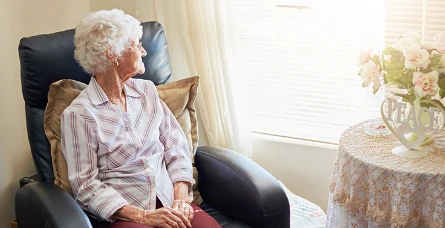

You might have questions if you have COVID-19 and are taking Care of yourself at home or are taking Care of your loved one who has COVID-19 at home. How do you recognize when you need emergency medical care? How long does isolation have to last? What steps can you take to prevent the growth of infection? How do you care for a sick elderly while controlling your stress?
Take Care of the elder one Every Day
Maintaining a regular work schedule, obtaining enough sleep, and accomplishing other tasks during the COVID-19 infection period are challenging. However, the measures listed below will assist you in receiving a full recovery and in getting rid of the contagious illness; at this time, you should go along with Home isolation treatment plans:
The body needs to drink a lot of fluids every day. Dehydration can worsen symptoms and lead to other health issues.Hydrating yourself by consuming a lot of fluids. Look at the person's urine; golden yellow pee indicates greater hydration.Daily temperature self-monitoring is crucial and highly encouraged. Fever is a body temperature of at least 100.4 F (38o C).Avoid drinking alcohol since it can harm your liver, rob you of your strength, recall terrible memories from your past, make you more dehydrated, and weaken your immune system.Have a restful night's sleep, and isolate yourself at home. The body's immune system needs adequate sleep to fight viruses.Avoid strenuous exercises, such as aerobics, running, or jogging.Follow the recommended course of treatment, and contact for assistance if any emergency symptoms or indications worsen.Follow the home quarantine strictly; avoid going outdoors for work or to a public location. Get additional assistance to bring the necessary materials and person supplies.Cough and sneeze into your elbow, or if using tissue, discard it and immediately wash your hands after. It's crucial to wash the hands with soap and water for at least 20-30 seconds or to sanitize them with an alcohol-based product.Use a separate bathroom from other house residents and remain in a room that is not connected to or accessible from any other rooms.Windows and cross ventilation in a well-ventilated space should be left open to breathe fresh air.Do not share utensils with other household members; use separate ones. After use, please give them a thorough cleaning with soap and hot water.Do not let guests, friends, or family members inside. If they must be among other people, they should use a face mask of the highest quality.
Age-related significance of loneliness and social isolation in older adults
Some have referred to loneliness and social isolation among older people as the new "vital signs" for older folks because they are such significant public health concerns.
Loneliness and social isolation have been repeatedly linked to gravely detrimental impacts on physical and mental well-being and mortality, especially in older persons.
In actuality, the mortality risk of loneliness is on par with a daily cigarette use of 15 cigarettes.
People who are alone have a 50% higher risk of dying young
Social isolation and loneliness are rarely considered or treated in physical and mental health care settings. Even yet, they rank among the risk factors for mortality and morbidity that are easiest to change.
What Are Social Isolation and Loneliness?
Even though the terms are sometimes used interchangeably, social isolation and loneliness are distinct concepts.
Having few social interactions and contacts is called social isolation (objective measure). They can opt for Senior Care in India.
The experience of being alone that is accompanied by distress or bad sensations due to having fewer than ideal social connections is known as loneliness (subjective concept).
Age-related Risk Factors for Loneliness and Social Isolation
Social: Being a caregiver for a spouse, living alone, losing a significant other, separating from relatives, having few friends
Mental: Dementia, depression, and anxiety
Physical: Loss of freedom, severe disease, ill health, and reduced mobility
Economic: Financially constrained
Logistical: Inability to drive due to loss of license.
Effects of Social Isolation and Loneliness
Long-term social isolation and loneliness have several adverse effects on one's physical, mental, and emotional health, including the following:
A cardiovascular condition
Hypertension
Obesity
Depression
Use of drugs
Suicide attempts and suicidal thoughts
Mental deterioration
Deterioration of dementia
Stroke
Early demise.
Health consequences can be caused directly by physiological changes (such as increased inflammation, a heightened stress response, or reduced immune system functioning) or indirectly by unhealthy behaviors (such as lack of exercise, bad diet, or restless sleep).
Unhappiness with one's place in the world, which includes loneliness, is a significant risk factor for suicide. Conversely, social support with Senior Care in India is a crucial barrier against depression and suicide.
For further details, consult the Guidance by Home Isolation Treatment Plans or close contacts. If home isolation elder care in India offers the most excellent care services, you can isolate yourself immediately. However, if they require medical attention, you can also contact a healthcare expert.
0


















Sign in to leave a comment.