
Alright, let’s be honest! If you’re reading this, there’s a good chance you’ve been toying with the idea of enrolling in medical technician schools in NY! Perhaps you're considering acquiring the necessary skills to join the healthcare field.
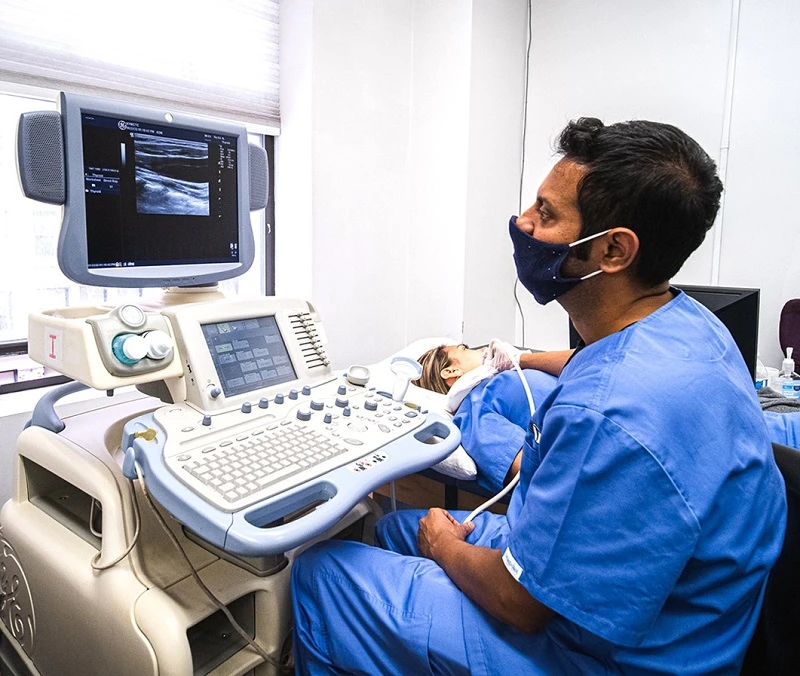
Maybe it’s the thought of making a difference, or you're looking for a career that’s steady and growing. Whatever your reason, becoming a medical assistant could be that next step you’ve been looking for.
And no, you don’t need to spend years in med school to have a real impact. Medical assistants are the behind-the-scenes rockstars who keep clinics and doctors’ offices running smoothly. They’re the people patients remember—often the first face they see and the one who keeps everything moving behind the scenes.
Here’s what you will learn in this blog!
- What Does a Medical Assistant Do?
- What’s the Training Actually Like?
- Do You Have to Get Certified?
- Is It Hard? Can You Do This?
- Why So Many People Love Being a Medical Assistant
- A Few Tips Before You Jump In
Let’s Start With, What Does a Medical Assistant Do?
Good question—and it's one a lot of people have.
Medical assistants are kind of like the glue that holds everything together in a healthcare setting. They do a little bit of everything. One minute you’re taking someone’s blood pressure, the next you’re checking insurance info or prepping a room for a procedure.
It’s a mix of clinical work (think: vital signs, injections, lab samples) and admin duties (like scheduling, updating charts, and dealing with insurance paperwork). And you can easily learn the required skills through Medical Assistant Training in Brooklyn.
If you’re the type who likes variety, doesn’t want to be stuck at a desk all day, and likes connecting with people, this role’s probably right up your alley.
So, What’s the Training Actually Like?
Let’s keep it real—medical assistant training isn’t as scary or intense as some people think.
Most programs are pretty doable and run anywhere from 6 months to 2 years, depending on whether you go for a certificate, diploma, or associate degree. You’re not signing up for a decade-long commitment here.
Here’s the kind of stuff you’ll learn:
- Anatomy & Physiology – So you get how the body works.
- Medical Terminology – You'll understand what the doctor’s saying.
- Clinical Procedures – How to take vitals, give injections, and stay safe.
- Admin Skills – Everything from managing charts to handling insurance.
- Pharmacology Basics – What meds do what, and how to handle them.
- Patient Communication – How to be calm, professional, and kind under pressure.
Plus, many programs offer hands-on externships, essentially providing real experience in a medical office before graduation.
Do You Have to Get Certified?
Not always—but it’s usually a smart move.
While some places might hire you without certification, having one shows you’ve got the training, know your stuff, and are serious about your role. It can also help you land better jobs and possibly better pay.
The most common certifications include:
- CMA (Certified Medical Assistant)
- RMA (Registered Medical Assistant)
- CCMA (Certified Clinical Medical Assistant)
Long story short: certification = confidence (for you and your future employer).
Is It Hard? Can I Do This?
A fair question.
Here’s the thing—yes, it takes work. There’s studying, practicing, and showing up. But medical assistant training is designed with real life in mind. Many students are balancing jobs, raising kids, or returning to medical technician schools in NY after a break.
So, if you’re thinking “I’m not sure I can do this”—just know that plenty of people in your shoes have made it through and thrived.
If you’re dependable, curious, and genuinely want to help people, you’ve got what it takes.
Why So Many People Love Being a Medical Assistant
Let’s talk about why this path is so popular:
- Job Security – The healthcare field is only growing. That means opportunities.
- Feel-Good Work – You’re making someone’s day better, every single day.
- Room to Grow – Many MAs move on to nursing, healthcare management, and more.
- Flexible Workplaces – Hospitals, urgent care, family practices—you name it.
- Quick Start – You can be job-ready in under a year.
You get to be in a career that matters—without years of school or piles of student debt.
A Few Tips Before You Jump In
Choosing the right training program can make all the difference. Keep these in mind:
- Go for accredited programs – It shows employers you got solid training.
- Ask about externships – You want that hands-on experience.
- Find flexible class options – Nights and weekends can be a lifesaver.
- Look at success rates – Check how many grads pass certification exams.
- Read reviews or talk to grads – Nothing beats honest feedback.
Final Thoughts
If you’ve been waiting for a sign to make a move—this might be it.
Medical Assistant Training in Brooklyn isn’t just about learning the technical stuff. It’s about stepping into a role where you make a real, daily impact. It’s a career that offers purpose, people, and plenty of opportunity.
It won’t always be easy, but it’ll be worth it. And if you’ve got the heart and the hustle, there’s a spot in healthcare with your name on it.
So go ahead—look into programs, ask your questions, and picture the future you working in the healthcare sector, helping others, and doing work that matters.
Because honestly—the healthcare world needs people just like you!

























Sign in to leave a comment.