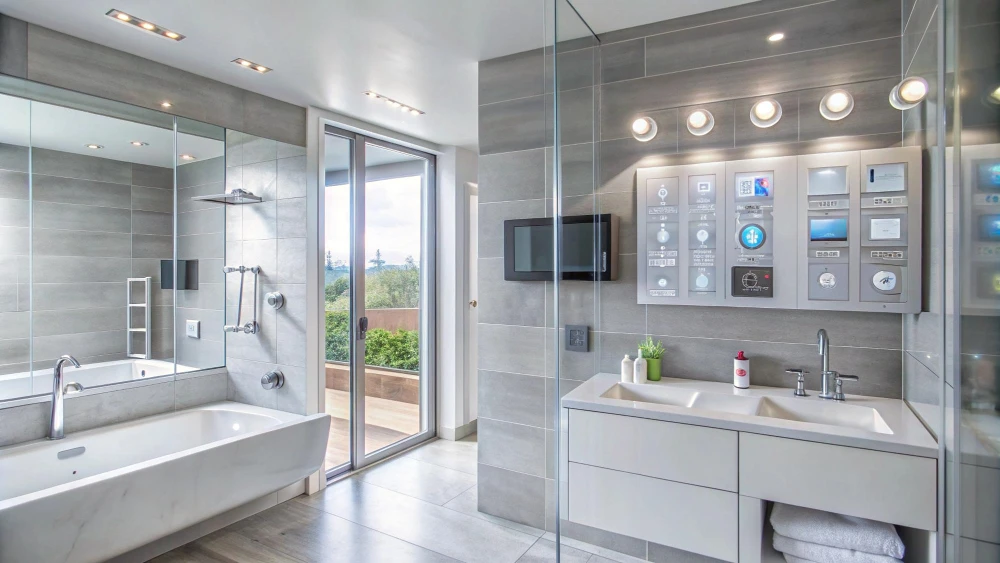

Renovating a bathroom can transform one of the most-used spaces in your home into a functional and aesthetically pleasing oasis. However, it’s a project that requires careful planning, budgeting, and decision-making to avoid costly mistakes. Whether you’re dreaming of a spa-like retreat or simply updating an outdated space, this guide will walk you through everything you need to consider before diving into a bathroom renovation.
Why Renovate Your Bathroom?
A bathroom renovation can serve multiple purposes, from improving functionality to increasing your home’s value. Here are some common reasons homeowners choose to renovate:
- Improved Functionality: Older bathrooms may lack storage, have inefficient layouts, or outdated fixtures that don’t meet modern needs.
- Aesthetic Upgrade: A fresh design can make your bathroom feel more inviting and personalized.
- Energy Efficiency: New fixtures like low-flow toilets and water-saving showerheads can reduce utility bills.
- Increased Home Value: A well-executed bathroom remodel can offer a strong return on investment, especially in competitive real estate markets.
- Accessibility: Adding features like grab bars or a walk-in shower can make the space safer for aging family members.
Before starting, clarify your goals. Are you renovating for personal enjoyment, to fix specific issues, or to boost resale value? Your priorities will shape your budget, timeline, and design choices.
Key Considerations Before You Start
A successful bathroom renovation starts with thorough planning. Here’s what to think about before you pick up a sledgehammer:
1. Set a Realistic Budget
Bathroom renovations can range from a few thousand dollars for minor updates to tens of thousands for a full gut job. According to industry estimates, the average cost of a mid-range bathroom remodel in the U.S. is around $20,000–$25,000, while high-end projects can exceed $50,000.
Budget Breakdown:
- Labor: 40–50% (plumbing, electrical, tiling, etc.)
- Fixtures and Fittings: 20–30% (toilet, sink, shower, bathtub)
- Materials: 15–20% (tiles, grout, paint)
- Unexpected Costs: 10–15% (hidden water damage, structural issues)
Tips:
- Get multiple quotes from contractors to compare costs.
- Allocate a contingency fund for surprises, like mold or faulty wiring.
- Decide where to splurge (e.g., a luxurious shower) and where to save (e.g., standard tiles).
2. Assess Your Needs and Priorities
Think about how you use the bathroom and what changes would improve your daily routine. Ask yourself:
- Do you need more storage for toiletries?
- Is a bathtub essential, or would a spacious shower suffice?
- Are you planning to stay in the home long-term, or is this for resale?
- Do you need accessibility features, like a curbless shower or wider doorways?
If you’re renovating for resale, stick to neutral, timeless designs that appeal to a broad audience. For personal use, feel free to incorporate bold colors or unique features that reflect your style.
3. Plan the Layout
The layout is the backbone of your bathroom’s functionality. Moving plumbing or walls can significantly increase costs, so consider working with the existing layout unless it’s severely impractical.
Common Layouts:
- Single-Wall: All fixtures are along one wall, ideal for small spaces.
- L-Shaped: Fixtures are arranged along two adjacent walls, offering more flexibility.
- Three-Fixture Layout: Toilet, sink, and shower/tub are positioned for optimal flow.
Tips:
- Ensure there’s enough clearance for doors and drawers to open fully.
- Place the toilet in a discreet location, away from the door’s line of sight.
- Consult a professional if you’re considering major plumbing changes.
4. Choose Durable, Water-Resistant Materials
Bathrooms are high-moisture environments, so material choices matter. Opt for products designed to withstand humidity and frequent use.
Popular Material Options:
- Flooring: Porcelain or ceramic tiles, luxury vinyl planks, or natural stone (sealed).
- Walls: Ceramic tiles, waterproof paint, or shiplap (treated for moisture resistance).
- Countertops: Quartz, granite, or solid surface materials like Corian.
- Vanity: Solid wood or moisture-resistant MDF with a protective finish.
Tips:
- Avoid porous materials like unsealed natural stone, which can stain or harbor mold.
- Use large-format tiles to minimize grout lines, which are prone to mildew.
- Invest in quality grout and sealants to prevent water damage.
5. Focus on Lighting and Ventilation
Good lighting and ventilation are critical for a comfortable and healthy bathroom.
Lighting:
- Task Lighting: Bright, focused light around the mirror for grooming.
- Ambient Lighting: Soft, even light to create a relaxing atmosphere.
- Accent Lighting: Highlight decorative elements, like a feature wall or artwork.
Ventilation:
- Install a high-quality exhaust fan to remove moisture and prevent mold.
- Ensure the fan is properly vented to the outside, not into the attic.
- Consider a fan with a humidity sensor for automatic operation.
Tips:
- Use LED bulbs for energy efficiency and longevity.
- Add a dimmer switch for adjustable lighting moods.
- Check local building codes for ventilation requirements.
6. Hire the Right Professionals
Unless you’re an experienced DIYer, a bathroom renovation typically requires a team of professionals, including:
- General Contractor: Oversees the project and coordinates trades.
- Plumber: Handles fixture installation and pipework.
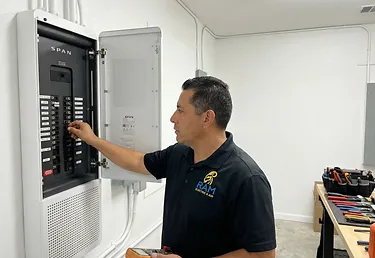
- Electrician: Manages lighting, outlets, and fan installation.
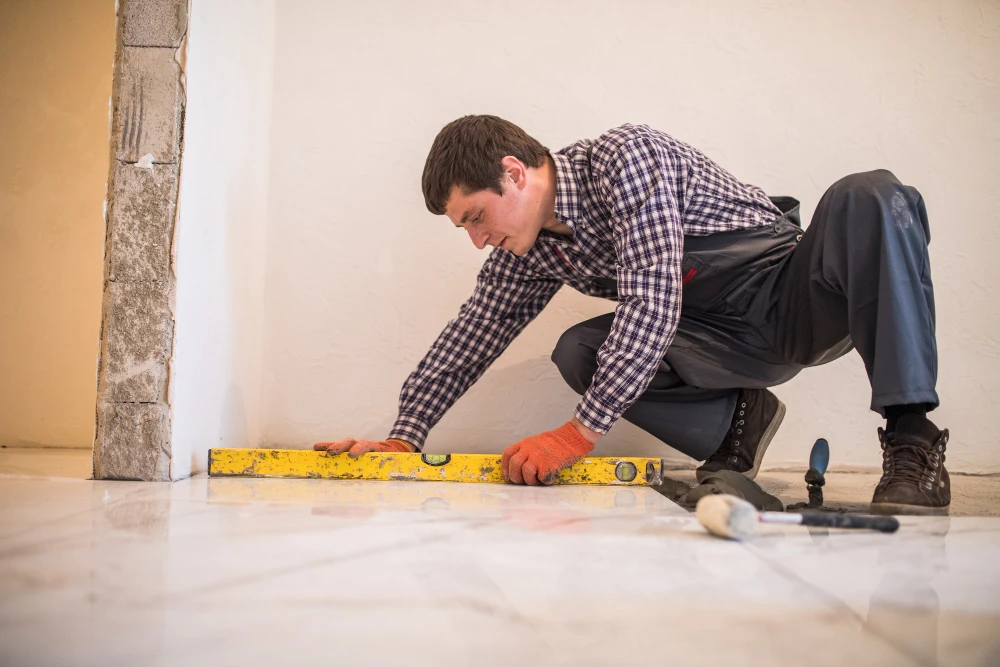
- Tiler: Ensures precise, waterproof tile work.
Tips:
- Research contractors thoroughly—check reviews, references, and licenses.
- Get a detailed, written contract outlining the scope, timeline, and payment schedule.
- Avoid paying the full amount upfront; use a payment plan tied to project milestones.
7. Understand Permits and Regulations
Most bathroom renovations require permits, especially if you’re moving plumbing, electrical, or structural elements. Check with your local building department to understand requirements.
Common Permit Triggers:
- Relocating fixtures (e.g., moving a toilet or shower).
- Adding or altering electrical circuits.
- Modifying load-bearing walls.
Tips:
- Your contractor should handle permits, but confirm they’re pulling them.
- Unpermitted work can lead to fines or complications when selling your home.
- Ensure all work complies with local codes, especially for waterproofing and electrical safety.
Design Trends to Inspire Your Renovation
While functionality is key, your bathroom’s design can elevate the space. Here are some popular trends for 2025:
- Spa-Inspired Retreats: Freestanding tubs, rainfall showers, and natural materials like wood and stone create a calming vibe.
- Bold Tiles: Geometric patterns, colorful mosaics, or large-scale tiles add personality.
- Smart Technology: Touchless faucets, heated floors, and smart mirrors with built-in lighting.
- Minimalist Aesthetic: Clean lines, neutral tones, and clutter-free surfaces for a timeless look.
- Biophilic Design: Incorporating plants, natural light, and organic textures to connect with nature.
Tip: Balance trendy elements with classic choices to ensure your bathroom doesn’t feel dated in a few years.
Common Pitfalls to Avoid
Renovating a bathroom is complex, and mistakes can be costly. Watch out for these common errors:
- Underestimating Costs: Always budget for unexpected expenses.
- Skipping the Planning Phase: Rushing into demolition without a clear plan can lead to delays and rework.
- Choosing Cheap Materials: Low-quality fixtures or tiles may need replacing sooner, costing more in the long run.
- Ignoring Ventilation: Poor airflow can cause mold and mildew, damaging your new bathroom.
- Overcomplicating the Design: Too many bold elements can make a small space feel chaotic.
Timeline for a Bathroom Renovation
The duration of a bathroom remodel depends on the scope. Here’s a rough timeline for a mid-range project:
- Planning and Design: 2–4 weeks (permits, material selection, contractor hiring).
- Demolition: 1–3 days.
- Plumbing and Electrical Rough-In: 3–5 days.
- Installation of Fixtures and Tiles: 5–10 days.
- Finishing Touches: 2–5 days (painting, grout sealing, final inspections).
Total: 4–8 weeks, assuming no major delays.
Tip: Discuss the timeline with your contractor and build in buffer time for unexpected issues.
Final Thoughts
A bathroom renovation is a significant investment, but with careful planning, it can enhance your home’s comfort and value. Start by defining your goals, setting a realistic budget, and assembling a reliable team. Prioritize durable materials, efficient fixtures, and a layout that suits your lifestyle. By avoiding common pitfalls and staying organized, you’ll create a bathroom that’s both beautiful and functional for years to come.
Ready to get started? Take the first step by sketching out your ideas or consulting a professional to bring your vision to life. Happy renovating!
Show in sidebar
























Sign in to leave a comment.