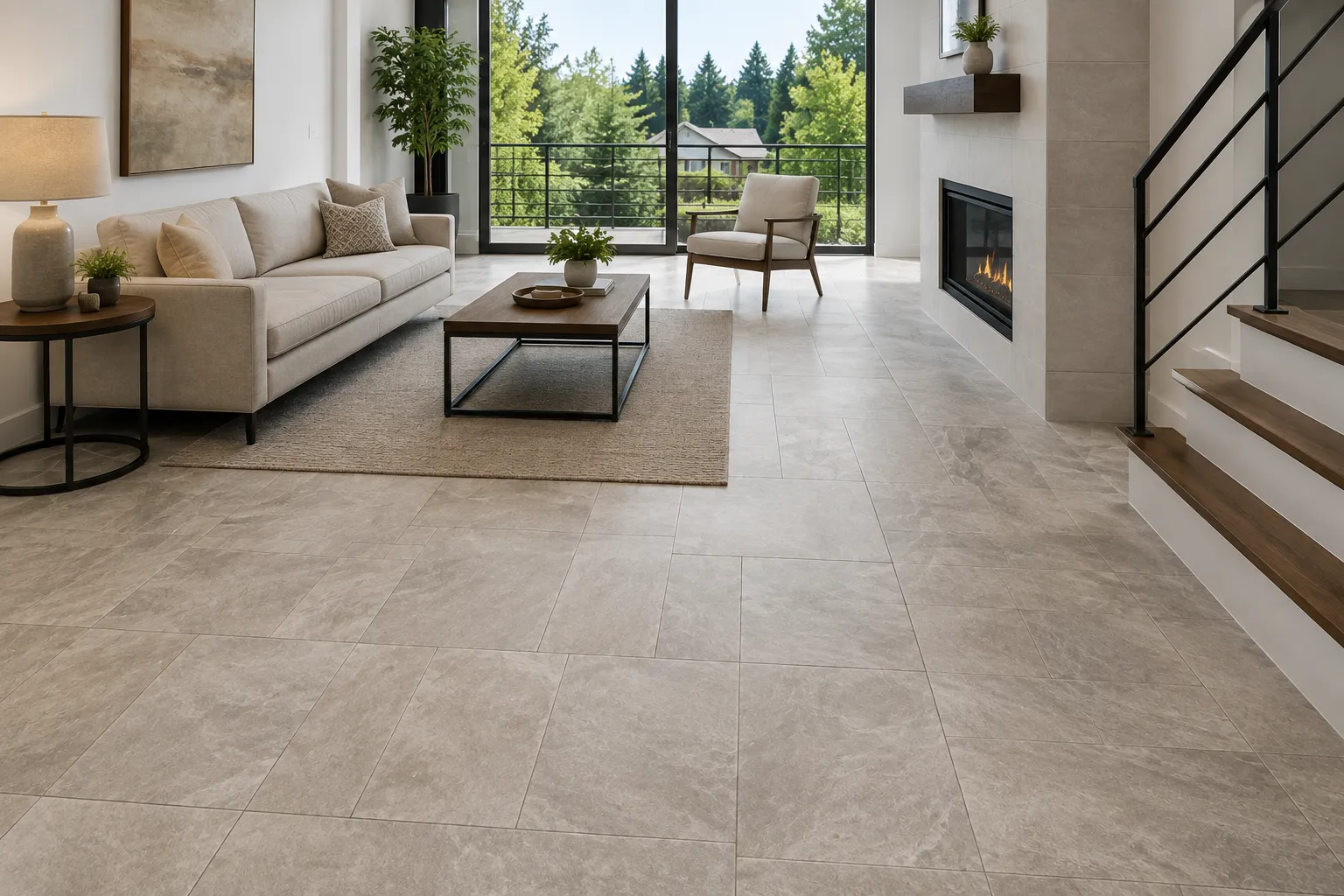

Choosing a flooring material involves more than finding an attractive pattern. Your floors need to handle daily foot traffic, moisture, spills, furniture, and regular cleaning while complementing the overall style of your home. Tile remains a practical option because it combines durability with a wide range of colors, textures, shapes, and finishes.
For homeowners exploring tile flooring in Kirkland, WA, the right choice depends on where the flooring will be installed and how the room is used. Kitchens, bathrooms, entryways, and living areas can have different flooring requirements. In Kirkland, wet winters also make moisture management especially important in entryways and mudrooms. Understanding those differences helps you select a tile that provides lasting performance without sacrificing visual appeal.
Durable Tile Design Principles for Kirkland Homes
Tile design does not have to follow short-lived trends. Homeowners can create a current appearance by choosing proportions, colors, textures, and patterns that remain adaptable as décor changes.
Some practical design directions include:
Large-format tiles: These can make rooms appear more open and create a streamlined surface with fewer grout lines.
Wood-look tile: A useful choice when you want a warm, natural appearance with easier moisture management than hardwood in areas exposed to water.
Textured finishes: Subtle textures can add depth and visual interest while providing useful surface characteristics in appropriate wet-area applications.
Neutral colors: Soft gray, beige, cream, and earthy tones can work with changing décor.
Geometric patterns: Hexagons and other shapes can create distinctive accents in bathrooms, kitchens, and entryways.
Choosing the Right Tile for Each Room
Not every tile performs the same way. Porcelain is generally dense and resistant to moisture, making it suitable for areas exposed to water and heavy use. Ceramic tile can be an economical choice for many interior applications, particularly where extreme durability is not the primary concern.
For bathrooms and other wet areas, consider slip resistance and surface texture rather than choosing solely by appearance. When comparing products for wet interior floors, look for a Dynamic Coefficient of Friction (DCOF) rating of 0.42 or higher, the commonly referenced threshold for wet interior flooring under applicable ANSI testing. In kitchens and entryways, prioritize durability and ease of cleaning because these spaces commonly experience spills, dirt, and frequent foot traffic.
PEI abrasion ratings can also help when comparing glazed ceramic or porcelain tiles. A PEI rating appropriate for the expected residential traffic can help match the tile to the room, while higher ratings may be useful in busier areas. Tile thickness should also be considered alongside the substrate, installation method, transitions, and manufacturer's specifications rather than treated as an isolated measure of quality.
Room size matters as well. Large tiles can reduce visual interruptions, while smaller tiles may provide more design flexibility around corners and detailed spaces. For Kirkland homes, entryways and mudrooms deserve particular attention because wet winter weather can bring water, grit, and debris indoors.
Luxury vinyl plank (LVP) is another material homeowners may compare with tile. LVP can offer a comfortable, resilient surface with straightforward installation in many applications, while tile can provide a hard, highly durable surface and strong moisture performance when properly selected and installed. Comparing maintenance, feel underfoot, appearance, expected traffic, moisture exposure, and installation requirements can help determine which material better fits each room.
Installation and Maintenance Considerations
A quality tile installation starts with proper surface preparation. The subfloor should be stable, clean, and suitable for the selected tile. Depending on the installation and substrate, a cement backer board or an appropriate uncoupling membrane may be used to create a suitable tile-setting surface. Uneven surfaces can contribute to cracked tiles or inconsistent results over time.
The setting material also matters. A properly selected polymer-modified thinset mortar may be appropriate for many tile installations, but the mortar should be chosen according to the tile, substrate, location, and manufacturer's requirements. Correct tile spacing, grout selection, and movement or expansion considerations also affect long-term performance. For example, cementitious grout may suit many standard installations, while other grout types can be considered where particular stain, moisture, or maintenance requirements apply.
Radiant floor heating is another consideration for Kirkland homeowners choosing tile. Tile conducts and retains heat effectively, making it a practical finish over compatible electric or hydronic radiant heating systems. When radiant heat is planned, the heating system, underlayment, mortar, tile, and grout should be installed according to the applicable manufacturer's specifications.
Maintenance is relatively straightforward when tile is cleaned regularly. Sweep or vacuum loose dirt before mopping, clean spills promptly, and use products appropriate for the tile and grout. Periodic grout care can also help maintain a clean appearance.
Make a Practical Flooring Choice
The best flooring decision balances appearance, room conditions, maintenance needs, expected foot traffic, moisture exposure, and installation requirements. Before purchasing tile, compare samples under your home's lighting and consider how the color will work with cabinets, walls, furniture, and fixtures. For Kirkland homes, also consider how wet-season conditions affect entryways and mudrooms and whether radiant floor heating is part of your long-term comfort plan.
Tile can provide a durable and adaptable flooring solution for Kirkland homes when the material, finish, size, technical specifications, and installation method are matched to the space. By considering practical performance alongside durable design principles, local moisture conditions, and heating needs, you can create floors that remain functional, comfortable, and visually appealing for years.
























Sign in to leave a comment.