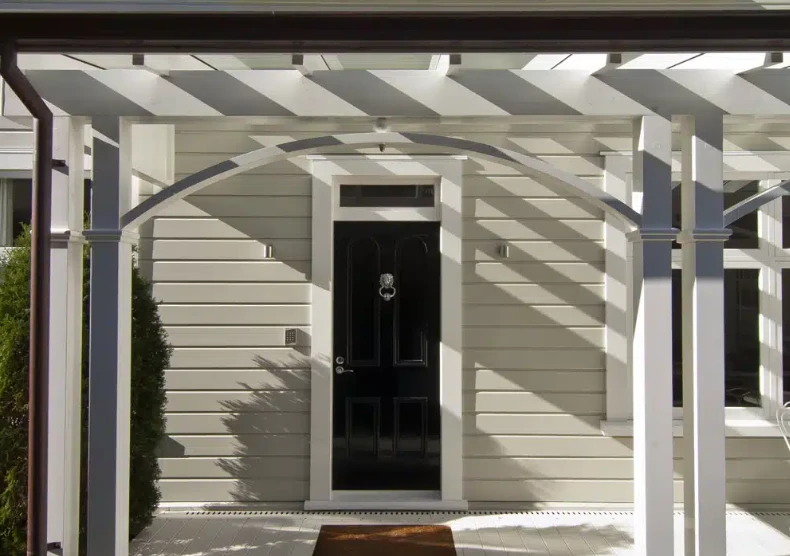

Choosing the right door for your home isn’t just a design decision—it affects comfort, energy efficiency, and the long-term value of your property. In New Zealand, homeowners often face the choice between timber, aluminium, and uPVC doors. Each material has unique benefits and drawbacks. To explore a wide range of high-quality door options, you can check out local door and window selections here. This guide explores the options to help you make an informed decision.
Why Door Material Matters
Doors are more than functional barriers—they influence insulation, security, and the aesthetic appeal of your home. Selecting the right material can reduce energy bills, withstand New Zealand’s variable climate, and enhance curb appeal. But with so many options, it’s easy to get overwhelmed.
Timber Doors: Warmth and Timeless Style
Timber doors remain a popular choice in New Zealand due to their natural beauty and insulation properties. High-quality timber doors can last decades with proper care.
- Thermal Comfort: Timber’s natural density provides excellent insulation, keeping homes warmer in winter and cooler in summer.
- Aesthetic Flexibility: Timber doors can be custom-made to match any architectural style, from classic villas to modern builds.
- Eco-Friendly: Using sustainably sourced timber reduces environmental impact.
However, timber requires regular maintenance to prevent weathering, warping, and rot. A well-treated timber door, though, can outlast many alternative materials.
Aluminium Doors: Sleek and Low-Maintenance
Aluminium doors are renowned for their modern look and durability. They resist rust, corrosion, and warping, making them suitable for New Zealand’s coastal areas.
- Durability: Aluminium withstands harsh weather without frequent upkeep.
- Design Options: Slim frames allow for larger glass panels, enhancing natural light.
- Low Maintenance: Unlike timber, aluminium rarely requires painting or sealing.
On the downside, aluminium doors can feel cold to the touch and offer slightly lower insulation compared to timber. They may also dent if impacted.
uPVC Doors: Affordable and Energy Efficient?
uPVC doors have grown in popularity due to their affordability and ease of maintenance. They resist moisture, corrosion, and pests, making them ideal for damp climates.
- Cost-Effective: uPVC doors are typically cheaper than timber or aluminium options.
- Energy Efficiency: Modern uPVC doors feature multi-chambered profiles for better insulation.
- Low Maintenance: Cleaning requires only soap and water.
While practical, uPVC doors lack the premium feel and visual warmth of timber. They also have fewer customisation options.
Making the Choice: Factors to Consider
Selecting the ideal door depends on your priorities:
- Climate: Coastal homes may benefit from aluminium’s resistance to corrosion.
- Maintenance: Timber requires upkeep; aluminium and uPVC are easier to maintain.
- Aesthetic Appeal: Timber offers unmatched warmth and natural charm.
- Budget: uPVC is the most budget-friendly, while timber can be a higher upfront investment but adds property value.
In conclusion, choosing the right door means balancing style, performance, and budget. For homeowners seeking timeless elegance, energy efficiency, and a warmer home, timber often remains the top pick. For modern designs with low upkeep, aluminium is ideal, while uPVC offers an affordable, practical alternative. Understanding your priorities ensures you make a door choice that suits your lifestyle and New Zealand’s unique environment.
FAQ Section
1. Are timber doors suitable for all NZ climates?
Yes, but coastal areas may require extra treatment to prevent salt and moisture damage.
2. How long do aluminium doors last?
With minimal maintenance, aluminium doors can last 25–30 years or more.
3. Can uPVC doors be customised?
Yes, but options are limited compared to timber or aluminium, especially in texture and style.
4. Do timber doors save on heating bills?
Absolutely. Timber’s natural insulation reduces heat loss, improving energy efficiency.
5. Which door type offers the best long-term value?
Timber doors often provide the highest value due to aesthetics, durability, and potential for resale appeal.






















Sign in to leave a comment.