
Introduction
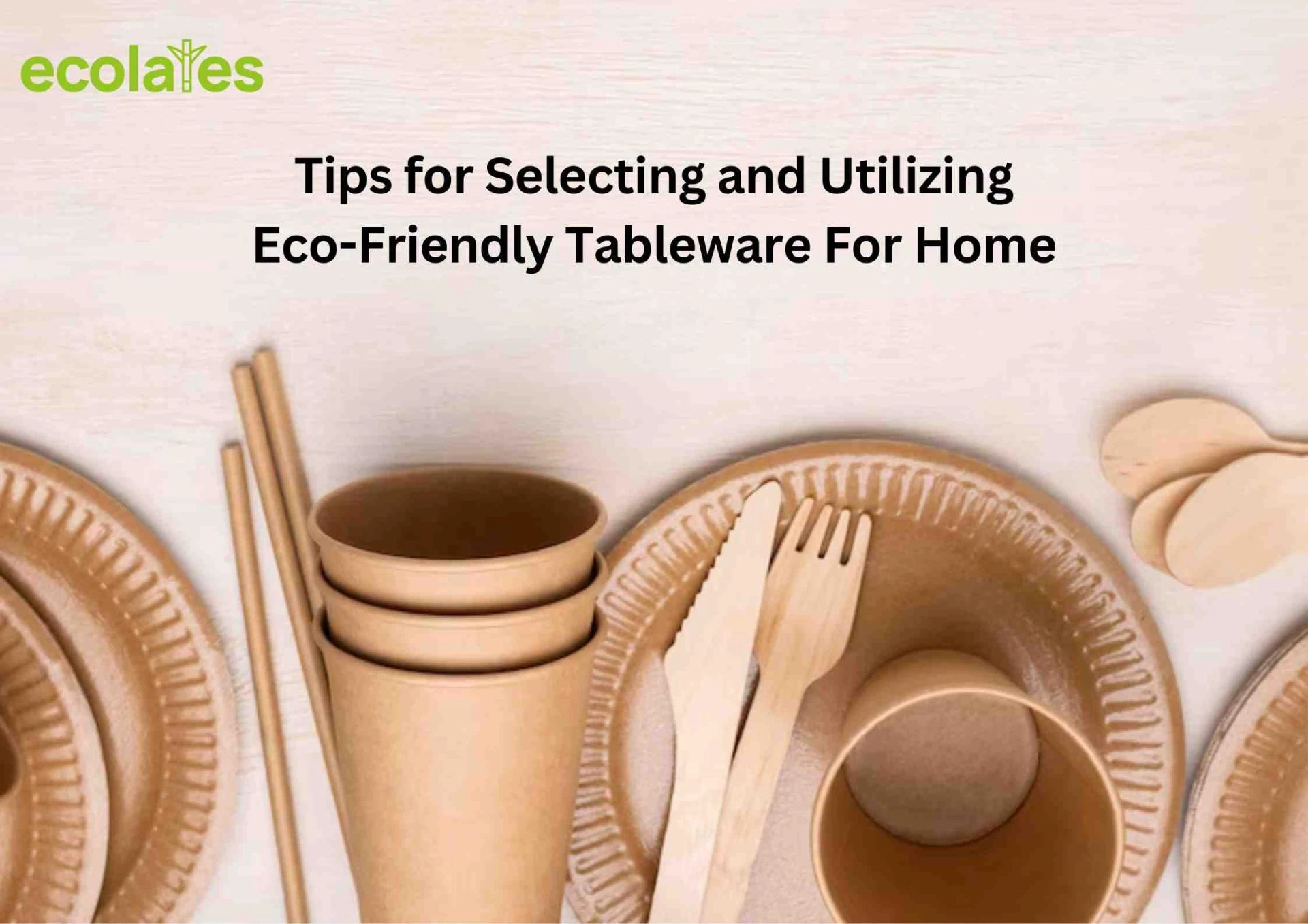
In the ever-growing realm of environmental consciousness, the act of choosing and using eco-friendly tableware in your home has become an indispensable practice. As we strive to diminish our ecological footprint and champion sustainability, embracing eco-friendly alternatives bears substantial significance. This article aims to equip you with invaluable tips to make well-informed decisions when it comes to selecting and utilizing eco-friendly tableware, particularly sugarcane bagasse products, thus fostering a greener lifestyle and contributing positively to our environment.
1. Understanding Eco-Friendly Tableware
To embark on your eco-friendly tableware journey, a thorough understanding of the myriad options available is paramount. From compostable materials like sugarcane bagasse and bamboo to reusable alternatives such as stainless steel and glass, the realm of eco-friendly tableware offers an extensive array of choices to cater to diverse needs and preferences. By embracing these sustainable alternatives, we can effectively curtail our dependence on single-use plastics and contribute substantially to waste reduction efforts.
2. Consider Your Needs and Lifestyle
Before making any purchase, it is imperative to consider your distinctive needs and lifestyle. Do you seek tableware suitable for everyday use or reserved for special occasions? Do you require microwave or dishwasher-safe options? Discerning your requirements will enable you to streamline your choices and select tableware that harmonises with your lifestyle while remaining steadfastly eco-friendly. For instance, if you often play host to guests, investing in durable and elegantly reusable tableware can prove to be an exquisite choice.
3. Evaluate Material Sustainability
Different materials utilized in eco-friendly tableware exhibit varying degrees of sustainability. It is advisable to gravitate towards materials that are renewable, biodegradable, and responsibly sourced. While materials like bamboo and palm leaf are known for their rapid renewability, stainless steel and glass embody durability and reusability. By carefully considering the sustainability of these materials, you can make judicious choices that leave a positive impact on our environment.
4. Assess the Product’s Life Cycle
When selecting eco-friendly tableware, it is imperative to delve into the intricacies of the product’s life cycle. Ponder how the tableware is manufactured, utilized, and ultimately disposed of. Opting for products with minimal carbon footprints and low environmental impact throughout their life cycles can be profoundly transformative. For instance, opting for tableware crafted from recycled materials significantly reduces the demand for new resources while fostering the ideals of a circular economy.
5. Look for Certifications and Labels
Certifications and labels provide invaluable insights into the eco-friendliness of tableware products. Be on the lookout for certifications such as “compostable,” “biodegradable,” and “certified organic” to ensure that the products align with specific environmental standards. Labels like the Forest Stewardship Council (FSC) certification serve as testaments to the responsible sourcing of tableware materials. By conscientiously checking for these certifications and labels, you can make informed choices that actively contribute to a greener future.
6. Proper Care and Maintenance
To maximize the longevity of your eco-friendly tableware, it is vital to imbue care and maintenance practices with due diligence. While certain materials can withstand dishwasher cycles, others necessitate gentle handwashing. Refrain from using harsh chemicals or abrasives that could compromise the eco-friendliness or structural integrity of the tableware. By diligently caring for your tableware, you extend its lifespan and reduce the need for frequent replacements.
7. Repurpose and Recycle
Eco-friendly tableware often presents opportunities for repurposing and recycling. For instance, repurposing glass jars as storage containers or passing down stainless steel utensils through generations can breathe new life into these materials. When the time comes to replace or dispose of tableware, explore recycling options for materials like glass, stainless steel, or specific types of plastic. By repurposing or recycling, you grant these materials a second chance while averting their inevitable fate of ending up in landfills.
8. Spread the Word
One person’s actions possess the remarkable power to inspire others to embrace eco-friendly practices. Share your wealth of knowledge and experiences with friends, family, and your wider community. Host sustainable dinner parties that showcase the utilization of eco-friendly tableware and engage in meaningful conversations about the importance of making conscious choices for the betterment of our environment. By proactively propagating awareness, you can instigate a ripple effect of positive change and contribute substantially to the realization of a more sustainable future.
Conclusion
The act of choosing and using eco-friendly tableware in your home serves as a profoundly impactful measure to curb waste and advance sustainability. By cultivating a comprehensive understanding of the available options, aligning your choices with your needs and lifestyle, evaluating material sustainability, delving into the intricacies of the product’s life cycle, seeking out certifications and labels, practicing diligent care and maintenance, repurposing and recycling purposefully, and actively propagating the message, you pave the way for a greener world. Together, we can effect transformative change and create a future that is sustainable and harmonious.
#sugarcanebagasseproducts #ecolates #ecolatespvtltd #ecofriendlyfoodpackaging #gogreen #sustainability #ecofriendlyproducts #biodegradeables #sugarcanebagasseproductsmanufacturer



























Sign in to leave a comment.