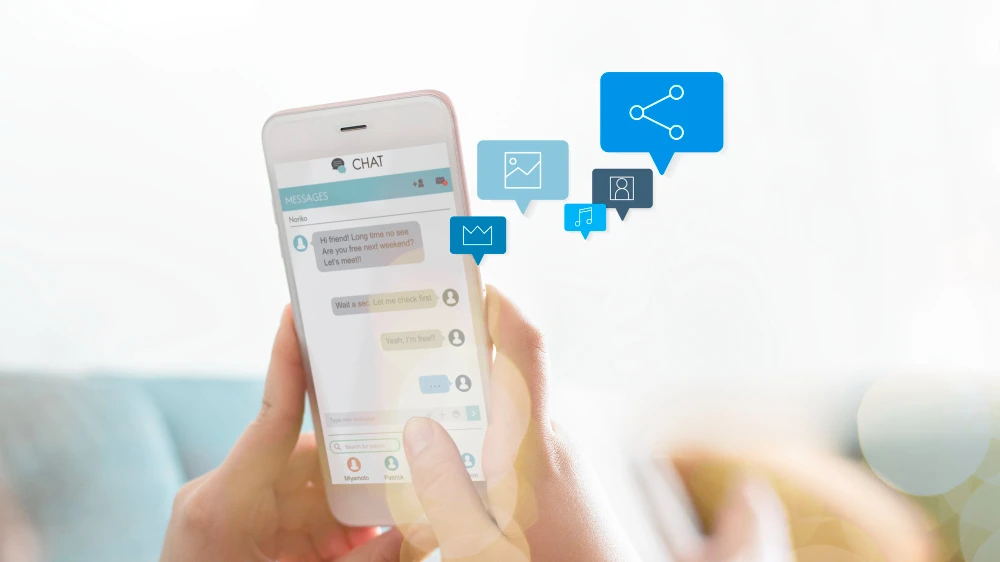

SMS Marketing remains one of the simplest yet most powerful channels to reach people directly on their phones. But here’s an uncomfortable truth: sending messages isn’t enough. Customers are bombarded with texts daily – from OTPs to flash sales – and ignoring yours is effortless for them. So, how do you craft SMS campaigns that aren’t just opened, but read, clicked, and acted upon?
In this detailed guide, we’ll unpack proven tips to make your SMS marketing stand out, backed by data, global examples, and insights from brands like SMSala and Africala, known worldwide for simplifying how businesses connect with customers via messaging.
Table of Contents
- Understand What SMS Marketing Means Today
- Build and Maintain a Quality Subscriber List
- Write SMS Copy That Feels Personal and Human
- Timing: When You Send Matters as Much as What You Send
- Add Strong, Clear Calls-to-Action
- Leverage SMS for Two-Way Conversations
- Integrate SMS Marketing with Other Channels
- Personalisation Beyond the First Name
- Comply with Global Regulations and User Preferences
- Analyse, Optimise, Repeat: Data-Driven SMS Marketing
- Case Studies: SMSala, Africala, and Brands Doing It Right
- Final Thoughts: The Simplicity and Power of SMS Marketing
1. Understand What SMS Marketing Means Today
SMS Marketing is no longer just about broadcasting promotions. It’s a direct line to your customer, enabling personalized reminders, delivery updates, confirmations, surveys, and transactional alerts.
According to GSMA, over 5 billion people globally can receive SMS, with open rates as high as 98% (MobileSquared). But a 98% open rate does not mean 98% conversion. Customers read, skim, delete, or block numbers they find irrelevant. That’s why understanding SMS as a relationship-building channel, rather than merely a promotional blast, is your first mindset shift.
2. Build and Maintain a Quality Subscriber List
Your list is your SMS marketing engine. Sending messages to uninterested or inactive users only dilutes engagement rates and increases opt-outs.
Tips to build a quality list:
- Use clear opt-in incentives (discounts, exclusive tips, early access).
- Make it easy to opt-in via website popups, checkout tick boxes, or keyword-based sign-ups (e.g., Text JOIN to 5050).
- Regularly clean your list, removing inactive numbers every 3-6 months to maintain deliverability and reduce costs.
Example: Africala enables brands to manage large subscriber lists with real-time reporting, making it easier to keep lists clean and targeted.
3. Write SMS Copy That Feels Personal and Human
Imagine your friend sending you this:
“Hey, flash sale. 30% off shoes. Shop now.”
Vs.
“Hey Sam, saw you liked our sneakers last month. They’re 30% off today only. Grab yours here.”
Which would you respond to? The second feels like a real conversation.
Copywriting tips:
- Keep it under 160 characters, ideally under 145 to accommodate links and personalisation.
- Use conversational words. Avoid robotic phrasing.
- Mention names and purchase history if data permits.
- Avoid spam triggers like “FREE!!!” in all caps.
4. Timing: When You Send Matters as Much as What You Send
Sending at 3 AM might technically “reach” a customer, but will it convert? Research by SimpleTexting shows that texts sent between 9 AM – 12 PM or 5 PM – 8 PM local time yield higher engagement.
Tips:
- Test multiple time slots for your specific audience.
- Respect local time zones when sending international campaigns.
- For appointment reminders, send 24 hours before, with a follow-up 1-2 hours prior.
5. Add Strong, Clear Calls-to-Action
Your SMS is only as strong as its CTA. Tell users exactly what to do.
Weak CTA: “Click here for details.”
Strong CTA: “Tap to book your spot today: [link].”
SMS CTA strategies:
- Use verbs: Buy, Book, Claim, Reserve, View.
- Limit to one clear action per message.
- For urgency, add time constraints: “Ends midnight.”
6. Leverage SMS for Two-Way Conversations
Gone are the days when SMS marketing was one-way traffic. Brands using two-way messaging build stronger loyalty.
Examples of two-way use cases:
- Customer feedback surveys post-purchase.
- Appointment confirmations with options to reschedule by replying.
- Quick support requests via SMS chat.
Africala’s SMS API allows brands to integrate two-way SMS flows easily, making campaigns interactive rather than intrusive.
7. Integrate SMS Marketing with Other Channels
SMS works best when integrated with email, WhatsApp, or push notifications for consistent messaging. For instance, a flash sale can be announced via email in the morning and reinforced with an SMS reminder in the evening.
Integration tips:
- Ensure your brand voice remains consistent across channels.
- Use SMS for high-priority, time-sensitive messages, and email for detailed information.
- Connect SMS to CRM systems to sync contact status, purchase behavior, and communication preferences.
SMSala provides APIs that integrate seamlessly into existing CRM platforms for multi-channel automation.
8. Personalisation Beyond the First Name
Personalization isn’t just {First_Name}. It’s about relevance.
Advanced personalization examples:
- Location-based offers: “Hey Emma, it’s sunny in Lagos today. Grab your sunglasses with 15% off.”
- Behaviour-based triggers: sending a discount SMS if someone abandons their cart within an hour.
- Birthday or anniversary greetings with special rewards.
A Segment study found that 71% of consumers feel frustrated when shopping experiences are impersonal. SMS is the quickest fix to that gap when used wisely.
9. Comply with Global Regulations and User Preferences
Non-compliance doesn’t just hurt your reputation – it can lead to fines. Different countries have different SMS marketing regulations.
Quick compliance checklist:
- Always get explicit consent before adding numbers to SMS lists.
- Provide clear opt-out instructions (e.g., “Reply STOP to unsubscribe”).
- Honor opt-outs immediately.
- Avoid sensitive information in SMS for privacy compliance (GDPR, TCPA).
Brands like SMSala and Africala include built-in compliance features, ensuring your campaigns respect regional laws.
10. Analyse, Optimise, Repeat: Data-Driven SMS Marketing
No campaign is perfect from day one. Brands that dominate SMS marketing iterate constantly.
Key SMS metrics to track:
- Delivery Rate: Measures your list health and provider reliability.
- Open Rate: While nearly 98%, low engagement may indicate content issues.
- Click-Through Rate (CTR): Determines if your CTA works.
- Conversion Rate: The final proof of ROI.
- Opt-out Rate: High opt-outs signal irrelevance or over-sending.
Example: A leading e-commerce brand integrated Africala’s dashboard to analyze CTR across segments, discovering that segmenting by purchase frequency increased conversions by 24% within two weeks.
11. Case Studies: SMSala, Africala, and Brands Doing It Right
SMSala has supported thousands of global brands to simplify customer messaging at scale. For instance, a fintech company used SMSala to send OTPs with a 99.8% delivery rate, improving login security and user satisfaction.
Africala, known across Africa for its robust SMS APIs and mass texting services, helped a retail chain reduce cart abandonment by 19% through personalized SMS reminders sent within 30 minutes of abandoned sessions.
These platforms prove that while strategy is important, having a reliable, globally connected messaging partner amplifies results significantly.
12. Final Thoughts: The Simplicity and Power of SMS Marketing
Despite the rise of WhatsApp, push notifications, and social ads, SMS marketing remains a timeless direct marketing tool. Its simplicity is its strength. But only brands that treat SMS as a relationship channel – not just a broadcast tool – will see lasting returns.
Remember: It’s not about how many messages you send. It’s about how many customers feel valued enough to act on them.




























Sign in to leave a comment.