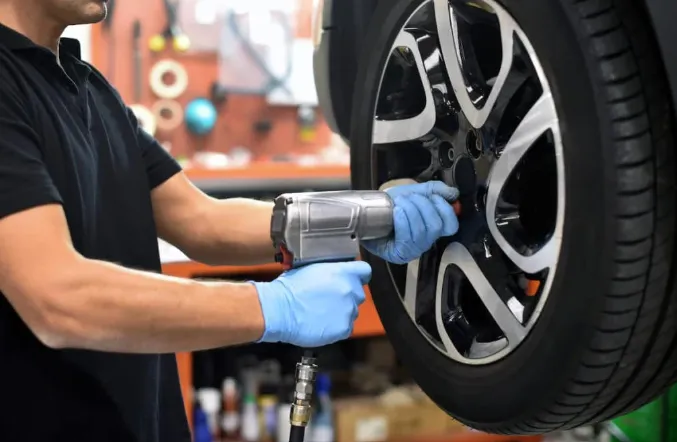

A reliable set of tires is essential for safe and comfortable driving, but even well-maintained tires can develop problems. Tire Repair may become necessary when a tire loses air, picks up a nail, develops uneven wear, or suffers damage from a pothole. Knowing how to recognize common tire issues can help drivers respond before a small problem becomes a major safety concern. Regular checks and timely attention can also help extend tire life and maintain proper handling.
Why Tire Condition Matters
Tires are the only parts of your vehicle that maintain direct contact with the road. They influence braking, steering, acceleration, and overall stability. A tire that is underinflated, damaged, or badly worn may not respond properly when you need to stop quickly or make an unexpected maneuver.
Many tire problems develop gradually. A slow leak, for example, may not seem serious at first. You might only need to add air every few weeks. However, continuing to drive with low pressure can cause additional heat buildup and stress inside the tire.
Taking a few minutes to inspect your tires regularly can help you identify problems before they affect your daily driving.
1. Punctures From Nails and Screws
One of the most common tire problems is a puncture caused by a sharp object. Nails, screws, pieces of metal, and other road debris can penetrate the tread while you are driving.
A small puncture may cause a slow loss of air rather than an immediate flat tire. This can make the problem easy to overlook. You may notice that one tire repeatedly has lower pressure than the others.
Not every puncture requires a replacement tire. If the damage is located in an appropriate repairable area of the tread and meets safety guidelines, a professional may be able to repair it. Damage near the sidewall is a different matter and often cannot be safely repaired.
Drivers should avoid simply removing a nail or screw without checking the tire afterward. The object may be helping to slow the air leak, and removing it can cause the tire to lose pressure rapidly.
2. Slow Air Leaks
A tire does not always go flat immediately after being damaged. Slow leaks can result from small punctures, damaged valve stems, bead leaks, or problems where the tire meets the wheel.
One sign of a slow leak is needing to refill the same tire repeatedly. If your tire pressure drops noticeably between checks, there is probably an underlying reason that should be investigated.
Driving for an extended period with insufficient tire pressure can increase rolling resistance and heat. It can also affect steering response and tire wear.
Checking tire pressure with a reliable gauge is a simple habit that can reveal a problem early. Always compare the pressure with the vehicle manufacturer's recommended specification rather than relying on the maximum pressure printed on the tire sidewall.
3. Sidewall Damage
The sidewall is particularly important because it supports the tire and flexes as the vehicle moves. Unlike many tread punctures, sidewall damage is often not suitable for conventional repair.
Cuts, bulges, bubbles, or deep abrasions on the sidewall deserve immediate attention. A bulge can indicate internal structural damage, sometimes caused by hitting a pothole or curb.
A damaged sidewall can weaken the tire even when the tread still looks acceptable. Continuing to drive on a structurally compromised tire may increase the risk of tire failure.
If you notice an unusual bubble or significant cut, have the tire inspected rather than assuming it is cosmetic damage.
4. Uneven Tire Wear
Tire tread should generally wear at a consistent rate across the surface. When one section wears much faster than another, it may indicate an underlying vehicle or maintenance issue.
Common causes include improper tire pressure, misalignment, worn suspension components, or incorrect wheel balance. For example, excessive wear along the outer edges can sometimes be associated with underinflation, while certain patterns of center wear can occur when a tire is overinflated.
Uneven wear should not simply be treated as a tire problem. Replacing the tire without addressing the cause may result in the replacement wearing out prematurely as well.
During routine maintenance, look across the entire tread surface instead of checking only the most visible portion.
5. Vibrations While Driving
A vibration through the steering wheel or vehicle can have several causes. Tire-related issues may include an imbalance, irregular tread wear, a damaged tire, or a bent wheel.
The speed at which the vibration occurs can sometimes provide useful information. A vibration that becomes more noticeable at highway speeds may point toward a wheel or tire balance issue, although other mechanical components can also be responsible.
Drivers should not ignore a new or worsening vibration. Even if the vehicle remains drivable, the problem may affect handling or indicate damage that needs attention.
A professional inspection can determine whether the source is the tire, wheel, suspension, or another component.
6. Tire Bead Leaks
The bead is the part of the tire that seals against the wheel. If the bead does not seal correctly, air can escape gradually.
Bead leaks may develop because of corrosion on the wheel, dirt between the tire and rim, physical damage, or an issue that occurred during tire mounting.
This type of leak can be frustrating because the tire may look perfectly normal from the outside. If pressure continues to drop despite there being no obvious nail or screw, the bead and valve area should be checked.
7. Valve Stem Problems
The valve stem is a small component, but it plays an important role in maintaining tire pressure. A damaged, cracked, or worn valve stem can allow air to escape.
Valve stem issues may become more common as components age. Sometimes the valve itself leaks, while in other cases the problem is associated with the seal around the stem.
If a tire continues losing air and no tread puncture can be found, checking the valve stem is worthwhile. Replacing a faulty valve component can sometimes solve a persistent pressure-loss problem without replacing the entire tire.
8. Damage Caused by Potholes and Curbs
Road impacts can cause more than a temporary bump. A hard impact with a pothole or curb can damage the tire, bend the wheel, or affect suspension components.
After a significant impact, look for cuts, bulges, unusual tire pressure loss, or changes in how the vehicle drives. A new vibration or pulling sensation should also be investigated.
Sometimes the damage is internal and cannot be identified through a quick visual inspection. That is why unusual handling after a hard impact should not be dismissed simply because the tire appears intact.
When Can a Tire Be Repaired?
Whether a tire can be repaired depends on several factors, including the location, size, and type of damage. Tread punctures may sometimes be repairable, while damage to the sidewall or shoulder can make a tire unsafe to repair.
The tire's overall condition also matters. A tire with severe tread wear, multiple previous repairs, structural damage, or significant deterioration may need replacement instead.
A proper inspection should be completed before deciding between repair and replacement. Trying to save money by repairing a tire that has structural damage can create a much greater safety risk.
How Drivers Can Prevent Common Tire Problems
Good tire care does not require complicated equipment or hours of work. A few consistent habits can make a noticeable difference.
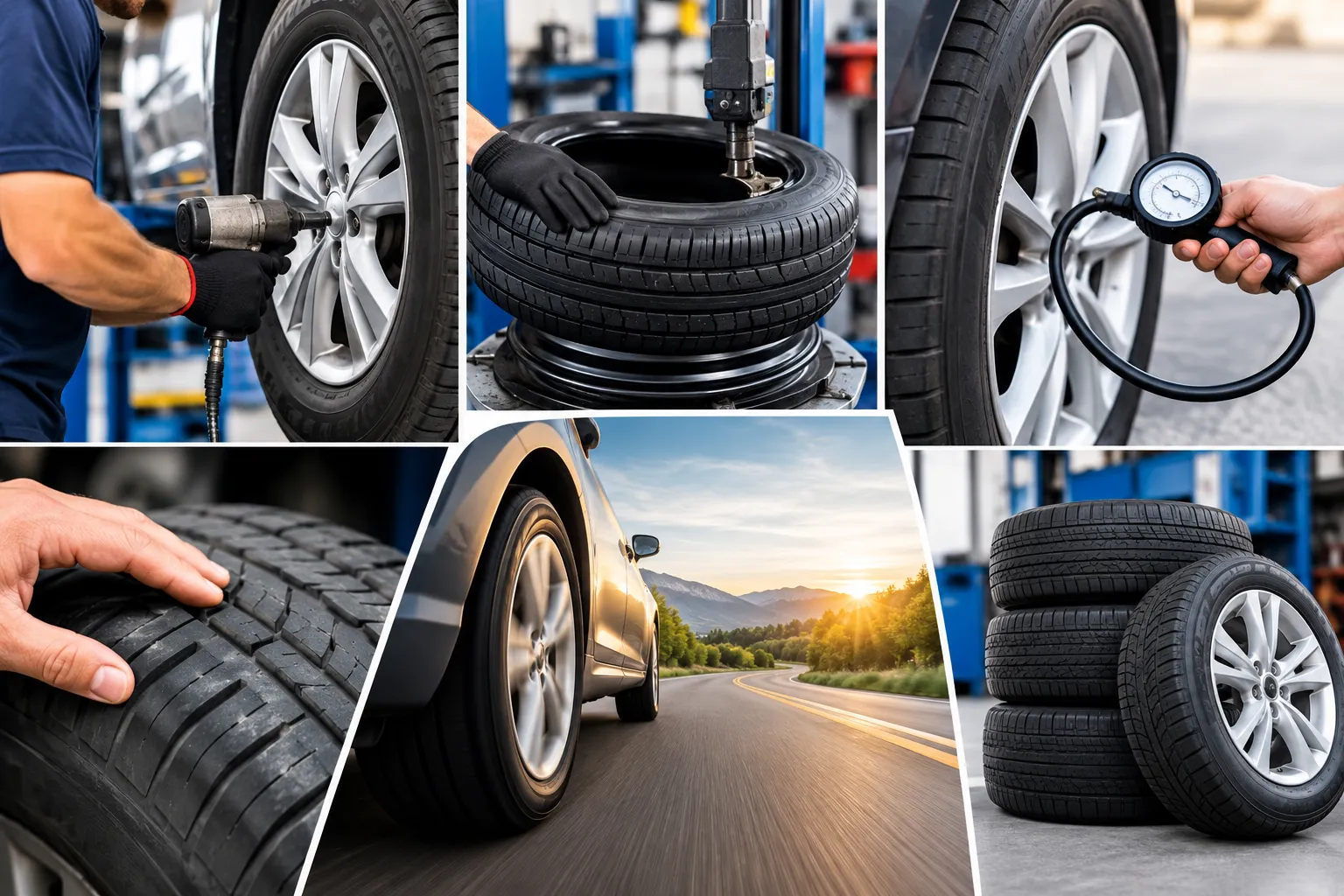
Check tire pressure regularly, particularly before long trips. Inspect the tread for embedded objects and look for cuts, cracks, or bulges. Rotate the tires according to the vehicle manufacturer's recommendations, and have wheel alignment checked if the vehicle begins pulling to one side or the tread wears unevenly.
Avoid driving aggressively over potholes and curbs when possible. Keeping the vehicle's wheels properly aligned and maintaining recommended tire pressure can also reduce unnecessary stress.
It is equally important to pay attention to changes in the way your vehicle feels. Drivers often notice vibrations, pulling, or unusual noises before they see obvious tire damage.
When Should You Seek Professional Help?
Some tire problems can be identified at home, but determining whether damage is safe to repair is a job for a trained professional. If a tire repeatedly loses pressure, has a visible bulge, suffers a significant puncture, or develops unusual wear, it should be inspected.
Driving on a severely damaged or underinflated tire can make the situation worse. If you suspect a tire is unsafe, avoid unnecessary driving until it has been evaluated.
Professional inspection is especially important after a major pothole impact or when a tire has been driven while significantly underinflated.
Frequently Asked Questions
1. Can every punctured tire be repaired?
No. Repairability depends on the puncture's size, location, and the tire's overall condition. Sidewall and shoulder damage generally cannot be safely repaired.
2. How do I know if my tire has a slow leak?
A common sign is repeatedly needing to add air to the same tire. A professional can inspect the tire, valve, and wheel for the source of the leak.
3. Is it safe to drive with a nail in my tire?
It is best to have the tire inspected as soon as possible. Removing the nail yourself may cause the tire to lose air more quickly.
4. What causes uneven tire wear?
Improper inflation, alignment problems, wheel imbalance, worn suspension parts, and other mechanical issues can contribute to uneven wear.
5. Can a tire with sidewall damage be repaired?
Sidewall damage is generally considered unsafe to repair because the sidewall contains important structural components that experience significant flexing.
6. Why does my car vibrate after hitting a pothole?
A pothole can damage a tire, bend a wheel, or affect suspension and alignment. An inspection can identify the actual source of the vibration.
7. How often should I check my tire pressure?
Checking tire pressure at least once a month and before longer trips is a good practice. Pressure should be measured when the tires are cold for a more accurate reading.
8. Should I replace a tire instead of repairing it?
Not necessarily. Some punctures can be safely repaired, while other damage requires replacement. A professional inspection can help determine the appropriate option.
Final Thoughts
Tire problems are common, but many can be addressed before they become serious. Paying attention to pressure changes, tread condition, vibrations, punctures, and visible damage gives drivers a better chance of catching trouble early. When you notice something unusual, getting the tire inspected is safer than guessing about its condition. For drivers who need professional assistance with a damaged or leaking tire, a qualified tire repair service can inspect the problem and determine whether a repair or replacement is the safest choice.
























Sign in to leave a comment.