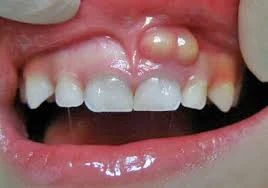

A tooth abscess is a serious and painful dental health issue that can cause permanent damage to the tooth, gum tissue, and jawbone if left untreated.
As a dental hygienist or dentist, it's important for us to understand what causes an abscessed tooth and how this condition should be treated in order to prevent further complications.
In this article, we'll discuss the definition of a tooth abscess as well as its common symptoms, potential causes, and effective treatment options.
What Is A Tooth Abscess?
A tooth abscess is a painful infection that can occur when there is an accumulation of bacteria in the root of your tooth. It's like a ticking time bomb, ready to go off if oral hygiene isn't maintained and treated properly.
Root infections are common causes for this dreaded condition; left untreated, they will continue to worsen until treatment takes place.
The symptoms associated with a tooth abscess include severe sensitivity to hot and cold temperatures, pain while eating or drinking, swelling around the affected area, feverishness, bad breath, and even trouble opening one's mouth wide due to inflammation.
Visible signs may also be present: pus surrounding the gum line near the infected tooth as well as an unpleasant taste in the mouth.
Taking steps towards diagnosis and treatment as soon as possible is key to avoiding more serious consequences down the road.
Symptoms Of A Tooth Abscess
A tooth abscess is a painful infection of the gums and teeth, which can cause swelling and feverishness.
Symptoms include intense pain in the affected area that may radiate to other parts of your face or head; sensitivity to hot, cold or sweet foods or drinks; bad breath; taste disturbance; redness and/or swelling around the affected area; difficulty eating due to discomfort.
In some cases, you may experience general malaise such as feverishness and even swollen lymph nodes in your neck.
It's important to seek medical attention if any of these symptoms are present, as an untreated dental abscess could lead to more serious complications that require further treatment.
The next step is understanding what causes a tooth abscess so we can take steps to prevent it from forming in the first place.
Causes Of A Tooth Abscess
It is important to understand the symptoms of a tooth abscess in order to seek proper treatment. Now, let's look at what causes this condition so we can better prevent it from occurring.
Generally, the main cause of an abscessed tooth is bacterial infection due to poor oral hygiene and dental care. Infectious bacteria such as Streptococci or Staphylococcus accumulate on teeth surfaces when dental plaque has not been removed through regular brushing and flossing. As these bacteria invade deeper into the enamel, they will eventually reach the pulp chamber where inflammation and pus formation occur, resulting in a severe toothache.
Additionally, other factors that contribute to a higher risk for developing a tooth abscess include deep cavities, gum disease (periodontitis), trauma to the face or mouth, cracked teeth or fillings, dry mouth which lowers saliva production leading to less natural cleansing of your mouth, certain medical conditions like diabetes or HIV/AIDS which weakens your immune system making you more susceptible to infections.
It is essential that good oral hygiene is practiced regularly along with routine checkups by a dentist to help reduce risks associated with an abscessed tooth. Prevention is key!
Treatment For A Tooth Abscess
Once the diagnosis of a tooth abscess is made, treatment options can be discussed.
Treatment for a tooth abscess may include at-home remedies or professional dental care depending on its severity.
In many cases, it's best to begin with home treatments first as they are typically less costly and more convenient than visiting a dentist’s office.
Home remedies such as rinsing your mouth with warm salt water several times per day and taking over-the-counter pain relievers may help reduce inflammation and discomfort associated with an abscessed tooth.
Additionally, increasing your intake of probiotics has been linked to improved oral health which can aid in treating an abscessed tooth.
If you do not experience relief from these methods or if symptoms worsen after trying them, it may be beneficial to consult a dentist who will use various diagnostic methods to determine the best course of action when it comes to treating the infection causing the abscess.
Conclusion
The tooth abscess is an incredibly painful condition that can cause severe discomfort and harm to your oral health.
To avoid this, it's important to take proper care of your teeth by brushing and flossing regularly.
If you do experience symptoms of a tooth abscess or suspect one may be forming, seek professional dental help immediately!
With the right treatment plan in place, we can get rid of the infection before any more damage is done.
You don't have to suffer in pain; together we'll find the solution that works for you.
Click here for more detail
https://healthremedy.net/



























Sign in to leave a comment.