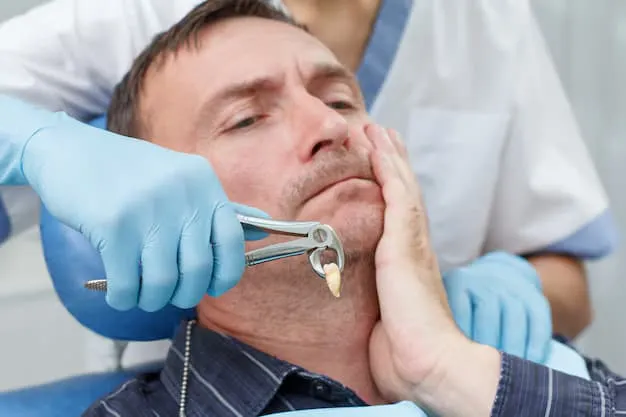

A damaged or severely compromised tooth can sometimes affect a person's comfort, oral function, and surrounding dental health. When a tooth cannot be restored successfully through other treatments, removal may become an appropriate option. tooth extraction is a common dental procedure used to remove teeth affected by extensive decay, severe damage, infection, overcrowding, or other problems. Although the idea of having a tooth removed may cause concern, careful evaluation, appropriate planning, and professional aftercare can help make the procedure safer and more manageable. Understanding the reasons, process, recovery, and replacement options can help patients prepare.
Understanding Tooth Extraction
Tooth extraction involves the professional removal of a tooth from its socket in the jaw. It may be recommended when preserving the tooth is no longer practical or when removal can help protect surrounding oral structures. Before recommending extraction, a dental professional generally examines the affected tooth, surrounding gums, and supporting bone. Dental imaging may also be used to understand the tooth's position and root structure. The goal is to determine whether extraction is genuinely necessary and whether another restorative approach could preserve the natural tooth instead.
Why a Tooth May Need Removal
Several conditions can lead to the recommendation for tooth removal. Extensive decay may weaken a tooth beyond successful restoration, while severe fractures can make rebuilding the tooth impractical. Advanced infection may also require removal when other treatments cannot adequately preserve the tooth. Overcrowding can sometimes make extraction part of an orthodontic treatment plan. Impacted teeth, particularly certain wisdom teeth, may require surgical removal because they cannot emerge normally. Each situation is different, so a professional examination is essential before determining whether extraction is the appropriate treatment.
Evaluating the Tooth Before Removal
A thorough examination helps determine the safest approach to extraction. The dental professional may assess the tooth's condition, root shape, surrounding bone, gum health, and relationship with neighboring teeth. Imaging can provide additional information when the roots are difficult to see clinically or when the tooth is impacted. The patient's dental and medical history may also influence treatment planning. This information allows the professional to determine whether a simple extraction is appropriate or whether a surgical approach may be necessary. Careful preparation can reduce avoidable complications and support a smoother procedure.
Simple and Surgical Extractions
A simple extraction may be performed when the tooth is visible and can be removed without extensive surgical access. A surgical extraction may be required when a tooth is impacted, severely broken, or difficult to access. In these cases, the dental professional may need to carefully expose the tooth or divide it into sections before removal. The specific technique depends on the tooth's position and surrounding anatomy. Patients should ask questions about the recommended approach so they understand why a particular method is necessary and what recovery may involve.
Recovery After Tooth Extraction
Recovery varies depending on the tooth removed, the extraction method, and the patient's individual healing process. Some swelling, tenderness, or mild bleeding can occur after treatment. A blood clot typically forms in the extraction socket and plays an important role in protecting the underlying tissues during healing. Patients should follow instructions designed to protect this area and avoid unnecessary disturbance. Eating softer foods and maintaining appropriate oral hygiene can support recovery. If bleeding remains heavy, pain becomes severe, or symptoms worsen rather than improve, professional attention should be sought promptly.
Protecting the Extraction Site
The extraction site needs time to heal, so patients should avoid actions that could disturb the developing blood clot. Depending on professional instructions, vigorous rinsing, forceful spitting, smoking, and using straws may need to be avoided during the early recovery period. Patients should also avoid touching the area unnecessarily with fingers or objects. Keeping the mouth clean according to recommended instructions can help support healing. Following the specific aftercare guidance provided by the dental professional is important because recovery requirements can differ depending on the complexity of the procedure.
Managing Swelling and Discomfort
Mild discomfort and swelling can be expected after some extractions, particularly when the procedure involves surgical removal. Patients may receive recommendations regarding cold compresses, appropriate pain relief, diet, and activity levels. Following these instructions can help make the recovery period more comfortable. Rest may also be recommended during the initial period after treatment. Patients should avoid assuming that severe or worsening pain is normal. Persistent or increasing symptoms may indicate a complication and should be evaluated by a dental professional rather than managed without guidance.
Recognizing Possible Warning Signs
Patients should be aware of symptoms that may require professional attention after an extraction. Persistent heavy bleeding, significant swelling, fever, severe pain, difficulty swallowing, or worsening symptoms can indicate a problem requiring evaluation. A sudden increase in pain after an initial period of improvement may also deserve attention. Patients should follow the emergency instructions provided by their dental team and seek appropriate care when concerning symptoms develop. Prompt evaluation can help identify complications early and support suitable treatment when necessary.
Replacing a Missing Tooth
Removing a problematic tooth addresses the immediate dental concern, but the resulting gap may require consideration of future tooth replacement. Depending on the location and number of missing teeth, options may include dental implants, bridges, or removable dentures. Leaving a gap can sometimes allow neighboring teeth to shift and may affect chewing or bite balance. A replacement plan should therefore be discussed when appropriate. The timing of replacement depends on the patient's healing, bone condition, overall oral health, and selected treatment. A professional evaluation can help determine the most suitable option.
Considering Dental Implants
Dental implants can provide a long term tooth replacement option for patients who are suitable candidates. An implant is placed into the jawbone and can support a replacement tooth. Adequate bone volume and healthy surrounding tissues are important considerations. Some patients may need additional treatment before implant placement, particularly when bone loss has occurred. Implant planning can sometimes begin before extraction so the overall treatment sequence is considered in advance. Patients should discuss replacement options early to understand the healing period and requirements associated with each approach.
Maintaining Oral Health After Extraction
Once the extraction site has healed, maintaining good oral hygiene becomes important for protecting the remaining teeth and gums. Patients should continue brushing regularly and cleaning between their teeth according to professional recommendations. Particular attention should be given to the teeth adjacent to the former extraction site because plaque can accumulate around these areas. Routine dental examinations allow professionals to monitor healing and identify other dental concerns. Good oral hygiene can also reduce the likelihood of future decay and gum problems affecting the remaining natural teeth.
Preventing Future Dental Problems
To reduce the risk of additional tooth damage, patients should maintain consistent preventive habits. Regular brushing with fluoride toothpaste, interdental cleaning, balanced eating habits, and professional dental visits can all contribute to better oral health. Patients should also address early signs of decay or gum problems rather than waiting until symptoms become severe. Avoiding tobacco products and limiting frequent exposure to sugary foods and drinks can further support dental health. Prevention can help preserve remaining natural teeth and reduce the likelihood of needing additional extractions in the future.
Conclusion
Tooth removal may become necessary when a tooth is severely damaged, extensively decayed, infected, impacted, or otherwise unsuitable for predictable restoration. Careful examination, appropriate planning, effective comfort management, and proper aftercare can help make the procedure safer and support healthy recovery. Patients considering treatment can discuss their concerns and options with Clove Dental Riverpark as part of a personalised dental assessment. Tooth replacement options should also be considered when a missing tooth could affect function or dental alignment. Maintaining good oral hygiene after healing remains essential for protecting the remaining teeth and gums.





























Sign in to leave a comment.