
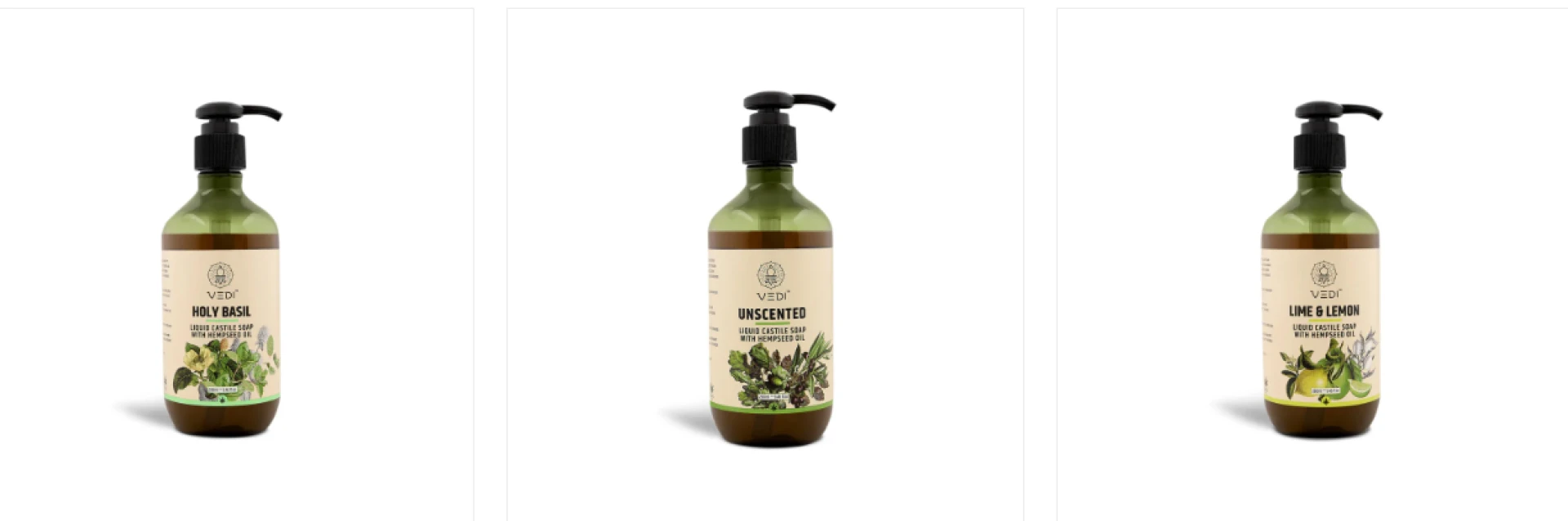
CBD-based wellness has attracted growing interest among people looking for plant-derived options that may complement their everyday self-care routines. However, beginners often encounter confusing information about CBD, hemp, cannabis, dosage, product quality, and expected results.
A responsible approach starts with understanding what CBD is, what it is not, how products differ, and why individual responses can vary. CBD should not be viewed as a universal solution or a replacement for professional medical care. Instead, consumers can approach it as one potential component of a broader wellness routine while paying close attention to product information and personal circumstances.
What Is CBD?
CBD, short for cannabidiol, is one of the naturally occurring compounds found in cannabis plants. Unlike tetrahydrocannabinol (THC), CBD is not generally associated with the intoxicating "high" produced by THC.
CBD products can be made using extracts from cannabis or hemp, depending on the product and applicable regulations. The final formulation may contain CBD alongside other naturally occurring compounds, or it may contain purified CBD.
Because products can differ considerably, reading the label and understanding the formulation is an important first step for beginners.
Why Are People Interested in CBD-Based Wellness?
People explore CBD for different reasons, including general wellness and interest in plant-based self-care. Scientific research has investigated CBD in several areas, but evidence is not equally strong for every wellness claim or product.
It is therefore useful to distinguish between:
- Traditional or consumer interest in cannabis-derived products
- Early or ongoing scientific research
- Established medical applications
- Marketing claims that may not have sufficient evidence
This distinction helps consumers develop realistic expectations.
Understanding CBD Oil Before Trying It
One of the most commonly discussed CBD formats is cbd oil. CBD oils generally combine CBD extract with a carrier oil, although formulations can vary.
The concentration of CBD can differ significantly between products. Some products may also contain additional botanical ingredients, while others are formulated with CBD as the primary active component.
Before purchasing or using any CBD product, beginners should check:
CBD Concentration
Look for clear information about the amount of CBD contained in the product and, where applicable, the amount per serving.
Ingredient List
Review the complete ingredient list for carrier oils, flavouring agents, botanical extracts, or other ingredients that could be unsuitable for you.
Product Testing
Transparent manufacturers may provide information about quality testing and product composition. Independent laboratory testing can be useful for verifying cannabinoid content and checking for unwanted contaminants.
Storage Instructions
Follow the manufacturer's storage recommendations. Proper storage can help maintain product quality over time.
How Should Beginners Approach CBD Use?
There is no single approach that is appropriate for everyone. Product instructions should be followed carefully, and beginners should avoid assuming that a higher amount will necessarily produce better results.
When someone is considering how to use cbd oil, it is important to begin by understanding the product's intended route of administration and the manufacturer's instructions.
Some CBD oils are formulated for oral use, while other products may be intended for topical application. These products should not automatically be treated as interchangeable.
A cautious approach includes:
- Reading the label carefully
- Following the stated serving or application instructions
- Avoiding unnecessary combinations with other supplements
- Keeping track of how you respond
- Avoiding driving or hazardous activities if you feel drowsy or otherwise impaired
- Discussing CBD use with a healthcare professional when medicines or health conditions are involved
Beginners should also avoid making multiple wellness changes at the same time if they want to understand how their body responds to a particular product.
CBD and Medication: Why Professional Guidance Matters
CBD can interact with certain medicines because it may affect how some drugs are metabolized in the body. This is particularly important for people who regularly take prescription or over-the-counter medicines.
Before introducing CBD into a routine, speak with a qualified healthcare professional if you:
- Take regular medication
- Have a chronic health condition
- Are pregnant or breastfeeding
- Are preparing for surgery
- Have concerns about possible side effects or interactions
Professional advice is especially important when CBD is being considered for a specific medical condition rather than general wellness.
What Side Effects Should Beginners Know About?
CBD is often marketed as gentle or natural, but natural products can still cause unwanted effects.
Reported effects may include drowsiness, changes in appetite, diarrhoea, or interactions with medicines. Individual responses can vary depending on factors such as the product, amount used, other medicines, and personal health circumstances.
If an unexpected or concerning reaction occurs, discontinue use and seek appropriate medical advice.
Choosing a CBD Product Responsibly
Product quality should be a major consideration when comparing CBD products. Beginners should not select an item solely because it has attractive packaging, a low price, or strong marketing claims.
When looking to buy cbd oil india, consumers should research the product and seller carefully and verify that the product is legally permitted for sale and use in their location.
Look for:
- Clear manufacturer information
- Transparent ingredient details
- Appropriate product labelling
- Batch or testing information where available
- Clear instructions for use
- A trustworthy customer-service channel
- Claims that are reasonable rather than promising guaranteed medical results
CBD and cannabis regulations can vary by country and may change over time. Indian consumers should check current applicable laws and regulations before purchasing or using a CBD-related product.
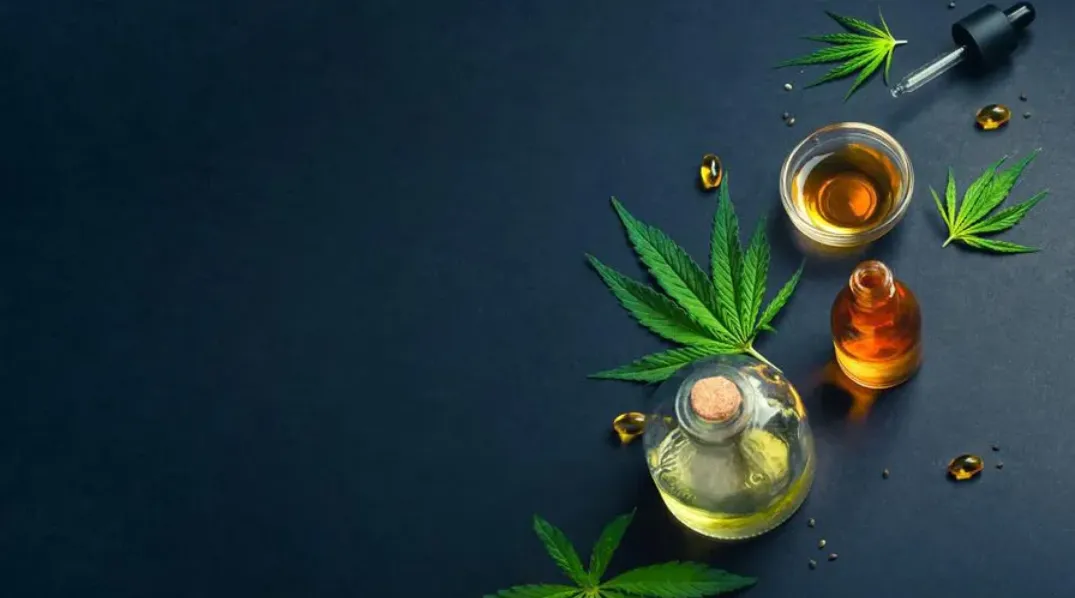
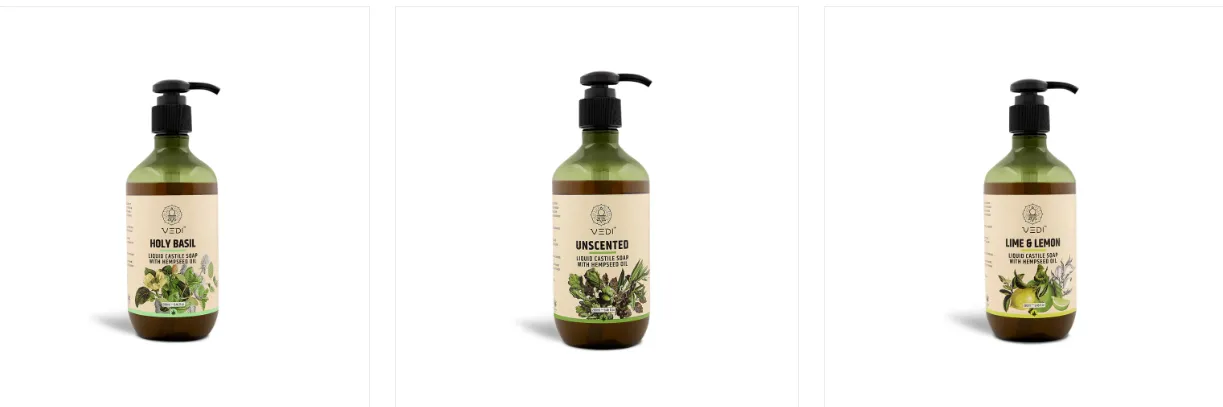
CBD Is Not the Same as Hemp Seed Oil
Beginners frequently confuse hemp seed oil with CBD oil. They are different products.
Hemp seed oil is produced from hemp seeds and is primarily valued as a nutritional or cosmetic oil. CBD oil, by contrast, is formulated to contain cannabidiol extracted from cannabis or hemp material.
The term "hemp oil" can therefore be confusing when used without additional information. Checking the ingredient list and cannabinoid information is more reliable than relying on the product name alone.
Setting Realistic Expectations
CBD should not be treated as a quick fix for every wellness concern. Scientific research into CBD continues, and evidence varies depending on the specific use, formulation, and condition being investigated.
A balanced wellness routine should still prioritize fundamentals such as:
- Nutritious food
- Regular physical activity
- Adequate sleep
- Hydration
- Stress-management practices
- Appropriate medical care
A supplement or botanical product should complement healthy habits rather than replace them.
Conclusion
Exploring CBD-based wellness responsibly begins with education rather than expectations. Beginners should understand the difference between CBD and other cannabis-derived products, check product quality, follow instructions carefully, and recognize that individual responses can vary.
Most importantly, CBD should not replace professional medical treatment or established healthy lifestyle practices. By evaluating product information carefully, considering personal circumstances, and seeking qualified guidance when necessary, consumers can make more informed decisions about whether CBD fits into their wellness routine.
Frequently Asked Questions
Is CBD the same as cannabis?
No. CBD is a specific cannabinoid found in cannabis plants. Cannabis contains many different compounds, including cannabinoids such as CBD and THC.
Does CBD cause a high?
CBD itself is not generally associated with the intoxicating effects of THC. However, product composition matters, so consumers should check the label carefully.
Can everyone use CBD?
No. Suitability varies between individuals. Medication use, health conditions, pregnancy, breastfeeding, and other circumstances can affect whether CBD is appropriate.
How should a beginner choose a CBD product?
Start by checking the ingredients, CBD concentration, manufacturer information, testing details, instructions, and applicable legal requirements. Avoid products that make unrealistic health claims.



























Sign in to leave a comment.