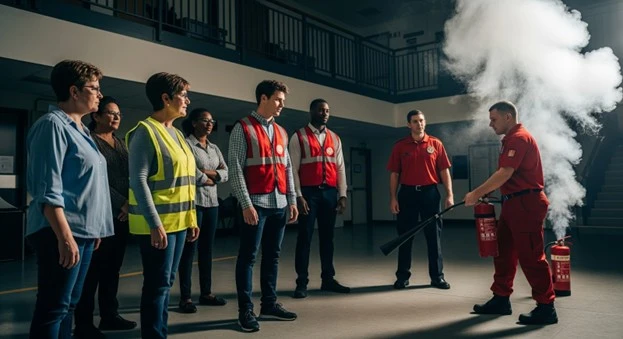

Fire safety isn’t something you think about every day. Still, when it matters, it matters more than anything else. In fire safety Singapore, where homes are close together and living spaces are tight, a small flame can spread fast. That’s why having the right tools at home isn’t optional—it’s smart, simple preparation.
You don’t need an advanced degree or special training. You just need the basics, placed in the right spots, and the confidence to use them. When you take these steps ahead of time, you give your family a better chance to stay safe.
Let’s walk through 10 tools that help protect your home from fire, one practical item at a time.
1. Smoke Detectors: A Beep That Buys You Time
A working smoke detector could be the reason you get out safely. It catches smoke early and lets you know before things get worse. You may sleep through traffic, loud music, or even thunder—but this alarm gets through.
Install one in every room where people sleep and outside each hallway. Check the batteries once a month. Change them once a year. And never take one down just because it went off while you were cooking.
Time matters in a fire. The sooner you hear that beep, the sooner you act.
2. Fire Extinguishers: Stay in Control Before Flames Grow
A small fire can double in size quickly. That’s where a fire extinguisher comes in. You’ll want an ABC-rated one, which works on paper, oil, and even faulty wires.
Keep one near your kitchen. Add another near the exit door. Show your family how to use it. The steps are easy to remember: Pull the pin, Aim at the base, Squeeze the handle, Sweep from side to side.
Having one nearby helps you stop a small fire before it takes over. Knowing how to use it turns panic into action.
3. Fire Blankets: Your Backup When Oil Starts to Boil
A fire blanket gives you fast, simple protection. If oil in the pan lights up or someone’s clothes catch fire, wrap the blanket around the flames to cut off air. No buttons, no pressure. Just cover and press down.
Hang one in the kitchen or near laundry appliances. It’s especially helpful for young people or elderly family members who might hesitate with a fire extinguisher.
This small tool can stop a scary moment from becoming something worse.
4. Escape Ladders: When Your Front Door Isn’t an Option
If you live above the ground floor, an escape ladder could be your way out. Fires can block hallways fast, and smoke rises. That makes stairwells unsafe in many cases.
A foldable ladder attaches to a window frame and lets you get down safely. Make sure it fits your window. Try using it once, just so it’s familiar. Even if you never need it, knowing it’s there brings peace of mind.
5. Emergency Lights and Torches: Light the Way Out
When smoke is thick or the power cuts out, it’s hard to see where you’re going. Emergency lights and battery-powered torches help you move quickly and safely. Some models turn on automatically during a blackout.
Place one in each bedroom and another near your main door. Check their charge often. These small lights could be what guide your steps during a confusing moment.
6. Heat Alarms: Less False Alerts, More Real Warnings
In steamy or dusty rooms, a heat alarm can be a better choice than a smoke detector. It picks up changes in temperature rather than smoke. That makes it perfect for kitchens and storage areas.
Install one above your stove or near your water heater. You’ll get fewer false alarms and more meaningful alerts when things heat up too quickly.
A heat alarm adds a layer of safety where smoke alarms might not work as well.
7. Carbon Monoxide Detectors: Catch What You Can’t Smell
Carbon monoxide is a gas you can’t see or smell, but it can harm your family before you even notice. That’s why you need a detector if you use gas appliances at home.
Mount one near your stove, gas water heater, or clothes dryer. These detectors let you know when gas builds up, giving you time to get out and take action.
In the context of fire safety Singapore, this tool fills a vital role in keeping your home safer in ways your senses can’t.
8. Fireproof Safes: Keep What Matters Safe
During a fire, you won’t have time to grab every important item. That’s where a fireproof safe comes in. It protects documents like birth certificates, insurance papers, or even small electronics.
Choose one that resists heat and water. Keep it in a secure, easy-to-reach spot. After the fire is out, what’s inside your safe might help you rebuild faster.
9. Fire Door Closers: Silent Helpers That Hold Back Flames
A door can slow down a fire. With a fire-rated door closer, you give that door even more strength. It closes automatically behind you, holding smoke and heat back while you leave safely.
If your home has a kitchen with its own door or you live in a building with internal hallways, this tool adds extra protection. Once it’s installed, it does the job without effort.
10. Signs and Escape Plans: Keep Everyone Informed
You may know where to go, but your child, helper, or guest may not. Posting a simple escape plan in a hallway or by the door can help. Mark your exits, torches, ladders, and safe zones.
Walk your family through the plan every few months. Make it part of your home safety habits. When panic sets in, people follow what they’ve practised—not what they remember.
The Habit That Builds a Safer Home
Owning the right tools is only the beginning. Keeping your home safe means building habits. That includes testing alarms, replacing expired extinguishers, and clearing flammable clutter near appliances.
Take a look around your home today. Is anything plugged in that shouldn’t be? Is the fire blanket still within reach?
Final Thoughts
Every one of these tools is there to give you something priceless—more time. Time to grab your loved ones. Time to leave the building. Time to respond.
Keep a checklist. Build habits. Talk to your family. And if you need guidance, visit fire safety Singapore to take that first step.





























Sign in to leave a comment.